.svg)















.png)
.png)

























.png)


.jpg)

.svg)
-cropped%20(1).svg)
.svg)
.svg)
Blog & Articles
Explore our library of research backed articles and expert insights. From the fundamentals of scalar energy to the latest findings in EMF science, we provide the knowledge you need to navigate a wireless world and optimize your biological health.
A new HHS Request for Information is inviting public input on electromagnetic fields (EMFs), RF radiation, and wireless exposure through October 21, 2026. After EMFs received only brief coverage in the 2025 MAHA Report, this focused federal notice offers an important opportunity for researchers, clinicians, advocates, and individuals to share evidence and personal experiences of EMF-related health effects. Add your voice through the Federal Register and help advance informed public-health action on unnecessary EMF exposure.

Life in the twenty-first century is a wild ride. It sure seems like there was never before a time when our environment was changing as rapidly as it is now. Even in the span of just a few years, daily life can take on new and often unrecognizable forms, most of this change due to the extremely rapid expansion of technology and its role in our lives. Although many people are nostalgic for the simpler times of the past, this emergent phenomenon has its own momentum, and seems to have taken on a life of its own, which certainly has benefits as well as downsides.
As humans who are living out our lives during this unique time on Earth, our job is to become aware of what’s happening around us, so that we are capable of choosing how we want to participate in these changes. Our biological forms, which are innately skilled at adapting to gradual changes in our environment, may be considerably challenged by the unprecedented pace of change occurring at this time.
Even just the flood of “information at our fingertips”, being able to instantly discover events happening worldwide, and view snapshots of the lives of billions of other humans at any moment via social media and the internet, may sometimes feel like too much for our brains and bodies to handle.
Then when you add in the influence of the invisible and imperceptible electromagnetic fields that power this entire technological movement, and consider the effects the fields themselves have on our bodies and minds (which most people are still entirely unaware of), you can have more compassion for yourself and any struggles you may be experiencing.
To calm and balance our senses and nervous system, awareness of our surroundings and the subsequent ability to choose how we want to engage can make a huge difference in our health and well-being.
You live within a sea of electromagnetic fields, to a greater or lesser extent, depending on where you live and the lifestyle choices you have made.
Are you fully aware of your EMF exposure sources?
Assessing your home exposure sources
The most important place to become aware of your environment and its potentially hidden influences is your own home. Your home should be a safe haven where you can rest, regenerate and integrate your experiences in the world. Your nightly rest is the time when your body does the majority of its cellular repair, and when your brain consolidates memories of experiences into usable information. Sleep is vitally important, and your environment has a major impact on your sleep quality.
Your home environment also affects your family dynamics, and the harmony or discord you experience in your close relationships. Intentionally creating a space for your family to feel safe and healthy will likely impact your life more than anything else.
The EMF sources in our homes will affect us the most, since we spend the most vulnerable parts of our lives there, and the most time overall. What are the EMF sources in our homes that are likely to impact us the most?
Our houses are powered by 60 hertz (in the United States) home electricity, which runs through conductive copper wires in our walls and emerges from outlets and wired-in appliances, to be used for many different purposes. 60 hertz is in the extremely low frequency (ELF) part of the electromagnetic spectrum, and is one of the most well studied EMF sources known to affect human health. If you have an EMF reading device like the Trifield meter (a good meter for everyday home use), you can measure the electric and magnetic fields being emitted from the wires inside your walls, your outlets, appliances and devices. If you do this, you will notice that the electric field is highly concentrated right next to the power source, and loses power exponentially as you move further away from the source, often dropping off to zero on the meter about 2-3 feet away. Some appliances will produce higher readings than others, but even an empty outlet with live power will emit an electric field. Appliances and devices with motors, like fans, heaters, air purifiers and many others, will also emit a measurable magnetic field, sometimes with very high readings.
Getting your own EMF meter and measuring the fields in your house is quite educational, because since the field itself is invisible, the readings allow you to “see” the fields to visualize the areas of your home (and the people and pets) that will be affected by them. This gives you the power to adjust your beds, chairs, couches and other parts of your home where you spend a lot of time to be further away from the most intense electric and magnetic field zones. It’s best to spend your time in a “zero” field, but since that is an ideal and is not always practical, Trifield recommends keeping electric fields below 50 V/m (volts per meter), and magnetic fields under 3mG (milligauss) where you spend most of your time, although they admit that “absolute safe levels have not been established”.
This meter also measures radiofrequency (RF) fields. Radiofrequency radiation is emitted by wireless communication devices, including:
- cell phones
- Wifi routers
- “smart” electric meters
- “smart” home devices
- Bluetooth devices (like wireless headphones and speakers)
Measuring RF with a meter will look a lot different than the way electric and magnetic fields read. If you’re near an RF source (or somewhere in its path anywhere in your house) and you have the meter tuned to the RF setting, you will notice rapid “spikes” when these pulses of radiation are emitted between connected devices. Sometimes the numbers will be relatively low, but you will probably also see spikes that exceed the levels the meter can pick up. If you stand next to an active Wifi router, these spikes will be continually “off the charts”. This indicates an area of your home where you do not want to be sitting for hours per day.
Trifield’s recommended “safer” levels of RF are field measurements under 0.200 mW/m² (milliwatts per meter squared) average field reading, and measurements under 1.000 mW/m² for the peak measurements. You will likely find that close proximity to RF emitting devices vastly exceeds these levels.
If you use so-called “smart” devices in your home, such as wireless doorbells, ovens, beds, baby monitors, wireless voice assistants like Alexa and Siri, and so many more gadgets that are flooding the markets these days, those devices are occasionally or constantly producing wireless radiation so they can transmit and receive information from other wireless devices, like your cell phone.
Another wireless radiation source that affects the majority of homes at this time are “smart” meters. These are a type of electric meter that transmits information about your electricity use to and from the electric utility company, and also communicates with other in-home “smart” devices. For a more detailed look at exactly how these meters work, check out our article on the health, safety and privacy concerns of smart meters.
Smart meters, as well as many other modern devices (including fluorescent lighting and dimmer switches), also produce what has been popularly termed dirty electricity. This refers to high-frequency voltage transients that contaminate the 60 hertz AC power of our home electricity, due to the inability of certain devices to use 60 hertz power as-is. Anytime a device or appliance has to convert 60 hertz AC power to another form so it can function properly, power inefficiencies occur, which remain inside the power lines and actually circulate throughout the house. These can be measured by a device called a line EMI meter (EMI means electromagnetic interference).
Wifi is a networking technology that uses radiofrequency radiation to provide wireless high-speed internet access. If you and your neighbors use Wifi in your homes, you will likely notice that your phone and computers are able to pick up several Wifi signals.
Most often, Wifi operates at 2.4 GHz (gigahertz), which is right around the UHF (ultra high frequency) portion of the electromagnetic spectrum. However, many companies are now also using 5 GHz and even 6 GHz signals to improve speed and data transmission. If you see a Wifi connection on your phone, you may see the name of the network, then an identical one with “5G” or “6G” at the end. This means 5 or 6 gigahertz, and is not the same 5G that refers to 5th generation wireless technology, or the marketing term 6G that is the proposed next generation of this tech. However, a lot of the current 5G cell deployments are close to the same frequencies of all of these Wifi bands, and the 6 GHz to 24 GHz bands are currently being widely used for 5G.
The amount and type of these devices you utilize in your home will influence the total load of electromagnetic fields you’re exposed to.
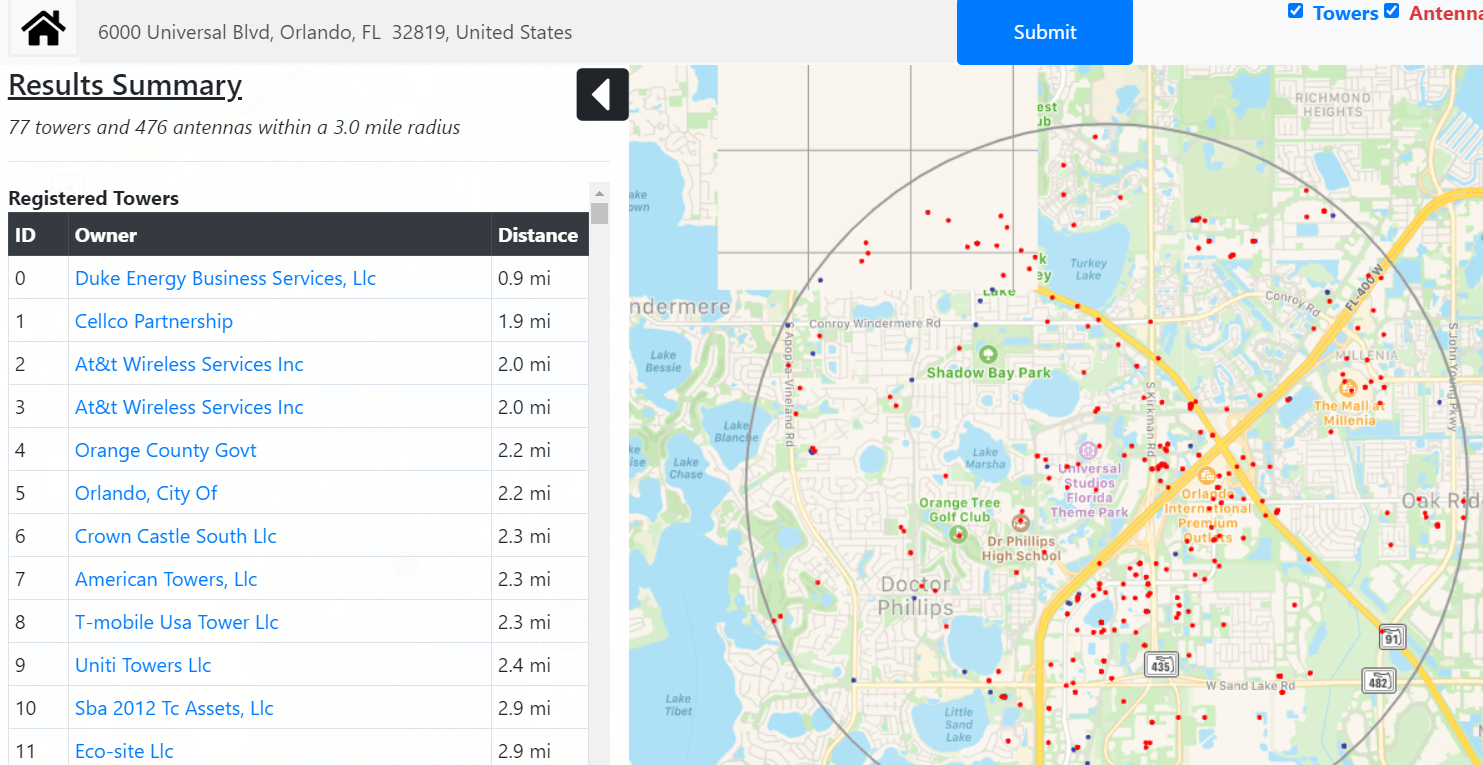
Strong radiofrequency and electric fields from sources outside your home will affect you, as well. This includes power lines and electricity transformers near your house (and especially high voltage power lines), as well as nearby cell phone towers and antennas. The density of cell towers and antennas in the vicinity of your house is directly correlated with the population density of where you live. Higher population centers require higher numbers of cell towers, installed closer together, to support the wireless communication use of larger numbers of people. You will also have higher exposures if you live within a couple miles of an airport, because of the large number of radar communication towers used by air traffic control.
One way that we help people determine which Blushield home device will best suit their living situation and needs is by assessing the overall EMF density of where they live. The tool we use for United States addresses is the Antenna Search database. If you haven’t already, go to this website and plug in your address, and it will show you all of the cell towers and antennas within a 3-mile radius of your home, including the exact location of each tower and antenna, details about what it’s used for, who owns it, and exactly which frequencies it’s emitting.
You may be surprised by the number of cell towers near your house that you weren’t aware of at all! Cell towers and antennas are often cleverly hidden or disguised, so people often aren’t aware of these massive RF exposure sources.
If you want to learn more about how to recognize cell towers and antennas in your environment, even the hidden ones, you may find our Anatomy and Function of a Cell Tower article to be very informative.
Electromagnetic field hazards when you’re out and about
When you leave your house, you are exposed to a new set of electromagnetic fields. For many people, their vehicle may be the main EMF source to consider. This is especially the case with modern cars, most of which use high frequency radar sensors for various safety features, like advanced driver assistance and autonomous driving. These radar sensors operate in the extremely high frequency (EHF) millimeter wave spectrum, the same frequency band as the more intense and high powered 5G transmitters. Although they operate at fairly low power levels compared to 5G phones and antennas, their close proximity to your body while driving warrants some concern.
Most vehicles produce high levels of electric and magnetic fields from the internal combustion engine, the effects of which are exacerbated by the fact that you’re basically sitting inside of a Faraday cage (the metal frame of the car), which concentrates EMF sources within the vehicle and doesn’t allow them to dissipate as easily. This is especially a concern when using your cell phone inside your vehicle. Because of the metal cage of the car, the phone needs to try harder to make a connection, so it will ramp up its power levels to effectively maintain contact with the nearest tower. One study found that the EMFs from cell phone use inside of vehicles were three times higher than the same sources used outside the vehicle, because of the Faraday cage effect.
If you drive an electric vehicle (EV), you’re adding a whole extra exposure source to the ones we already discussed. The large battery that runs the car emits static electric fields, and the inverters and motors that convert DC from the battery to the AC needed to power the electric drivetrain produce both electric and magnetic fields during operation. When EVs are being charged, the interaction between the battery and the charger (especially high powered fast chargers) produces high levels of EMFs. The electric control system and computerized components of an EV (as well as other modern vehicles) also emit EMFs.
Most people now use GPS (Global Positioning System) services from their smart phones to navigate on the roadways. GPS connects to satellites to provide real-time navigation, using radiofrequency signals that are usually around 1500 Mhz (megahertz) in the microwave spectrum. These radio waves follow your vehicle for the duration of the trip, to continuously read your current location.
Every time you pass a cell phone tower while you’re driving, you’re moving within close proximity of its strongest radiation zone. In cities, we usually pass by many cell towers even while running the most routine errands.
Consider that every vehicle around you is also emitting EMFs from radar sensors, cell phone use, Bluetooth connections, calling upon GPS satellites, and emanating from the vehicle itself. The roadways are basically an EMF soup.
If you work outside the home, especially around a lot of computer equipment, your workplace is probably a stronger EMF source than your home. Often, workplaces are in higher population areas than living spaces, making them more concentrated overall exposure sources.
Choosing the best Blushield home and portable devices for your exposure levels
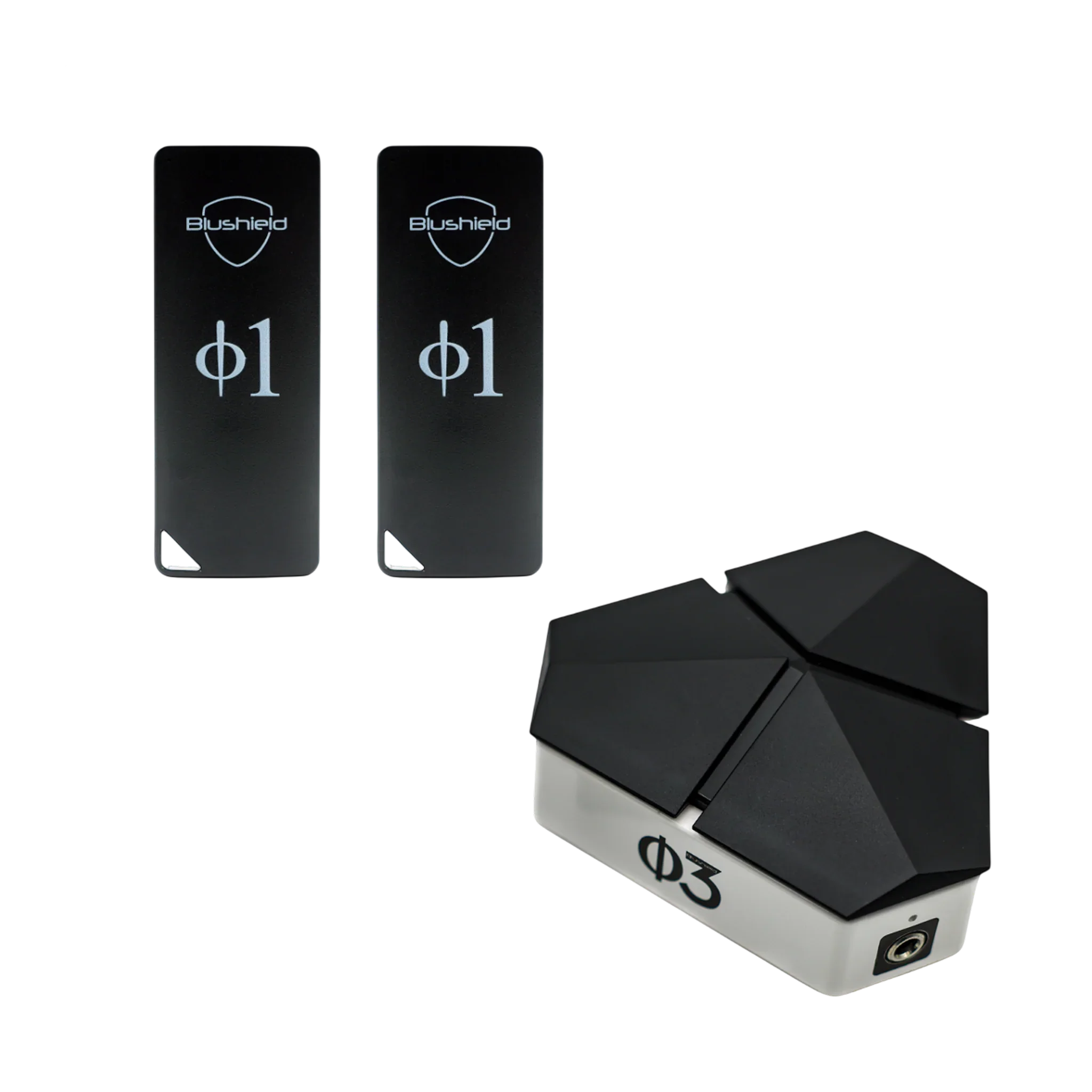
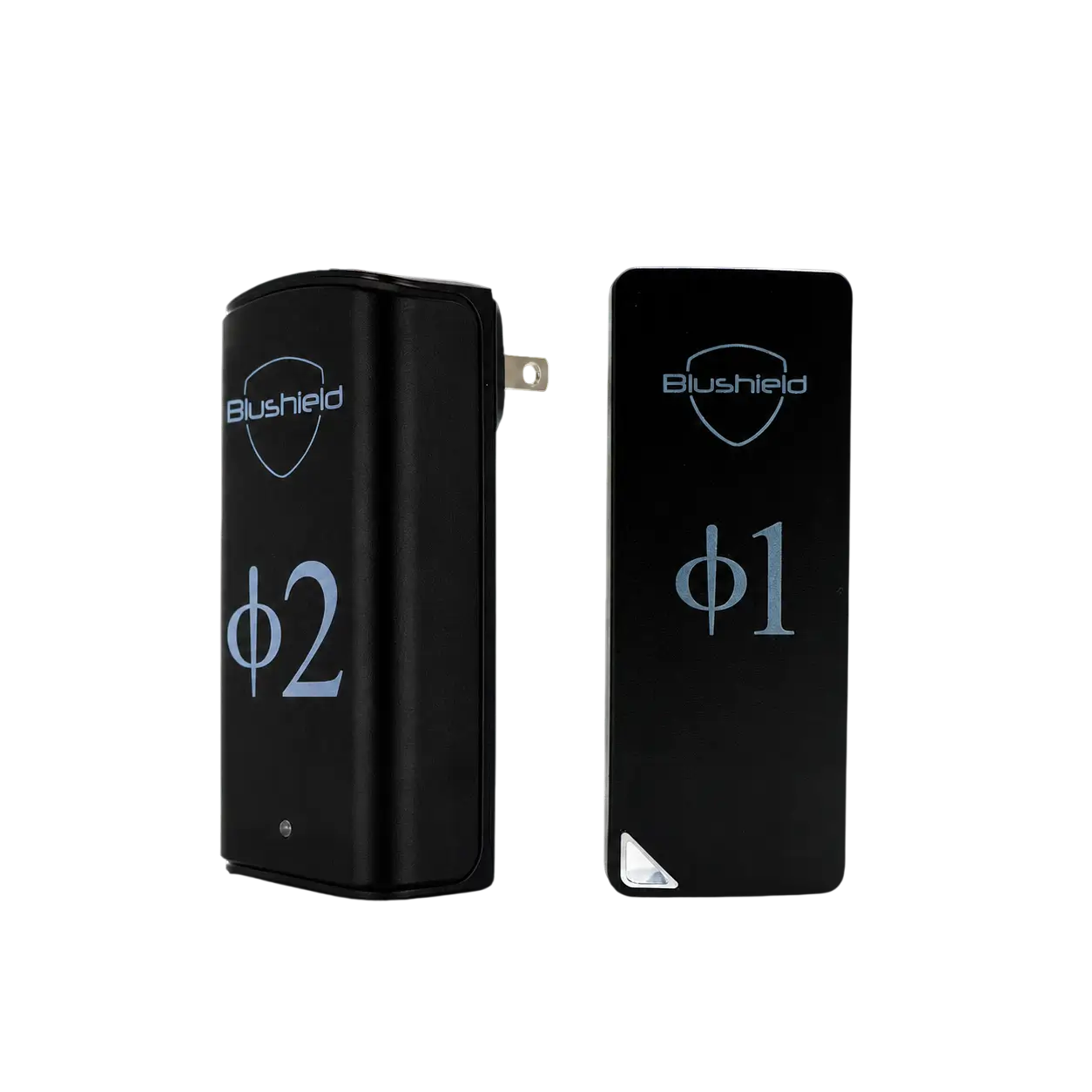
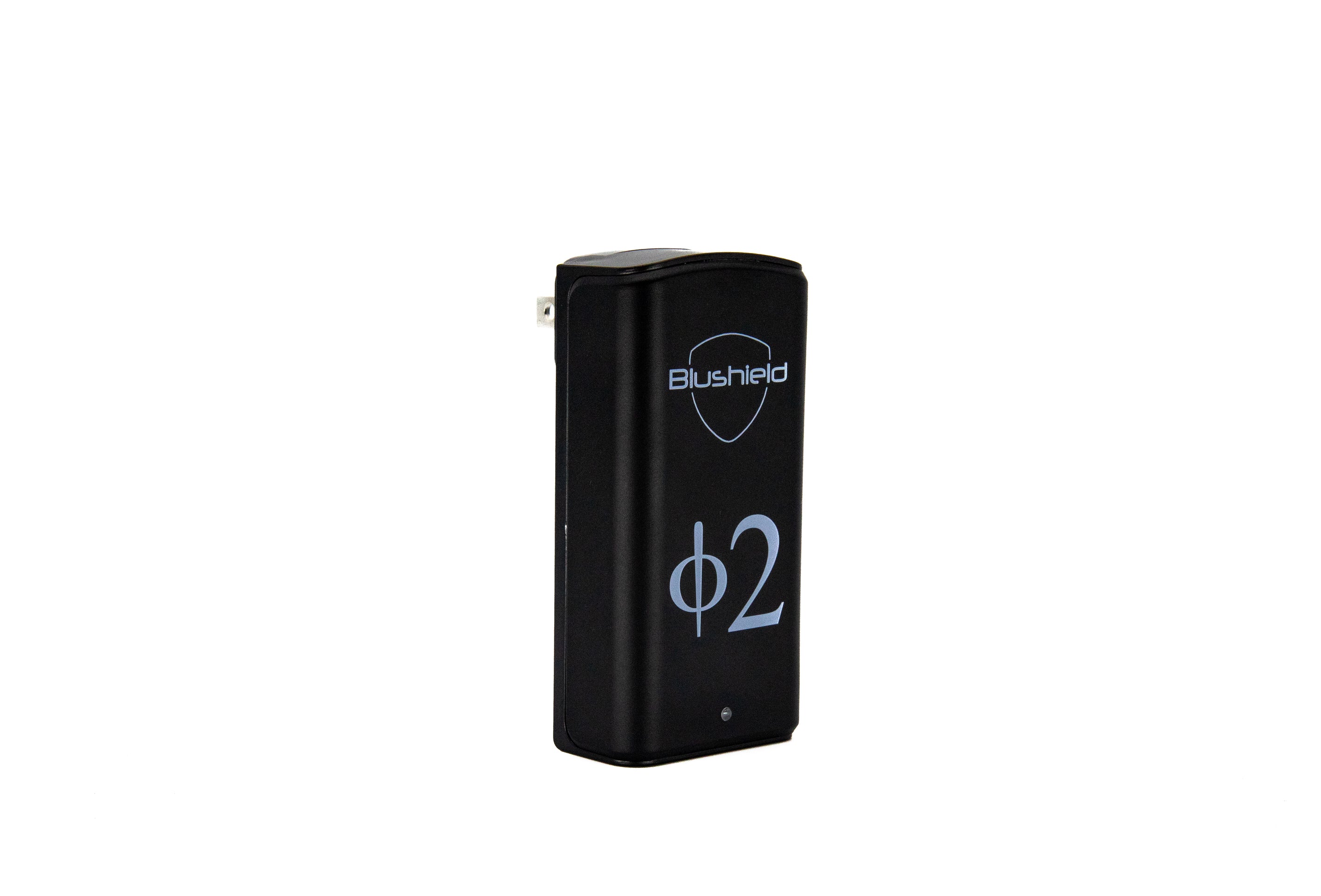
Our EMF protection product line includes several options for stationary home and portable devices. Choosing a device based on your overall EMF exposure levels will give you the best results, as we have different strength models for different exposure levels.
If you start by learning the total number of cell towers and antennas within a 3-mile radius of your home (to determine the EMF density of your area), then add in any unusually high exposure sources inside your house, you will be able to choose the most effective EMF protection for your needs.
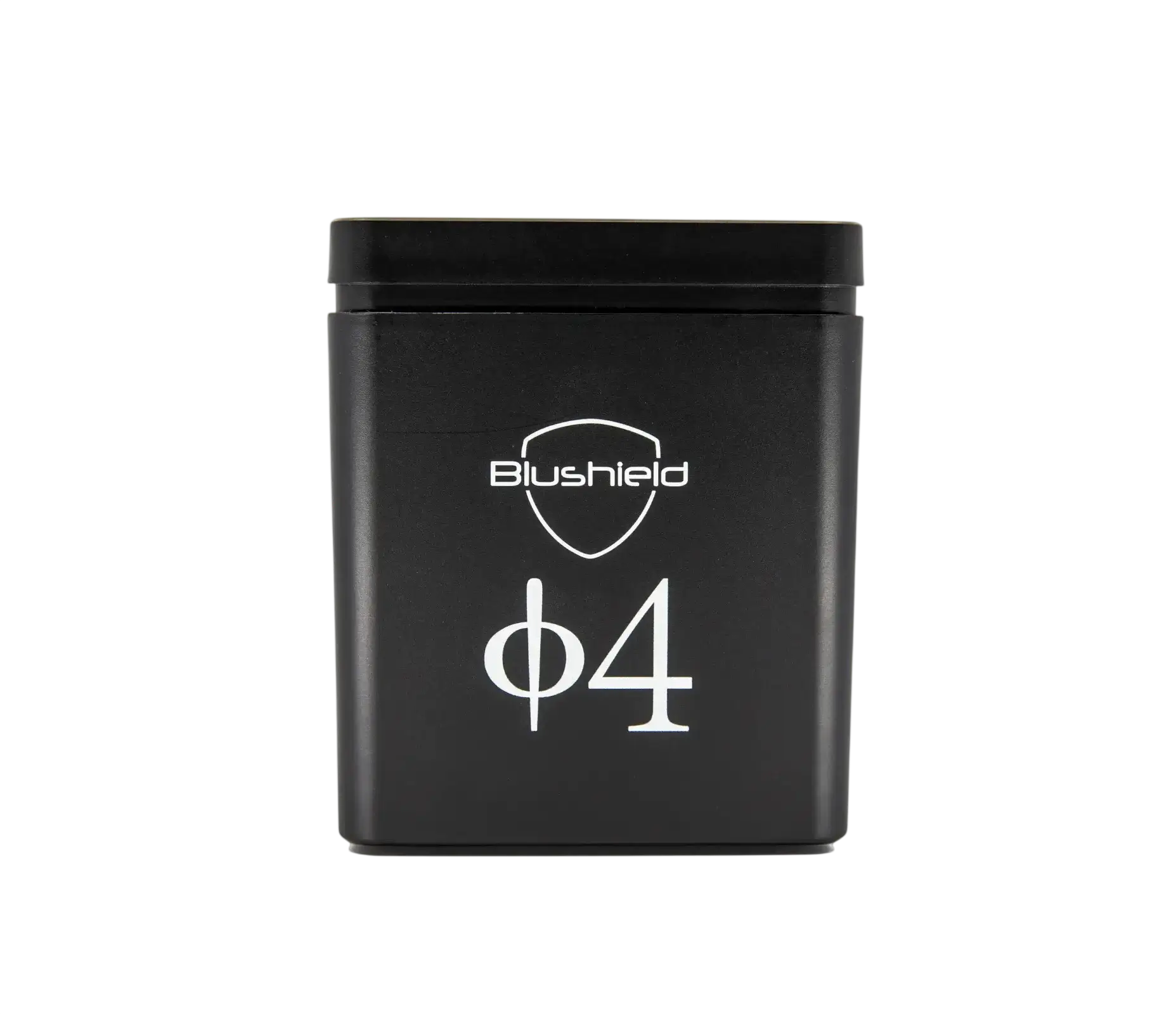
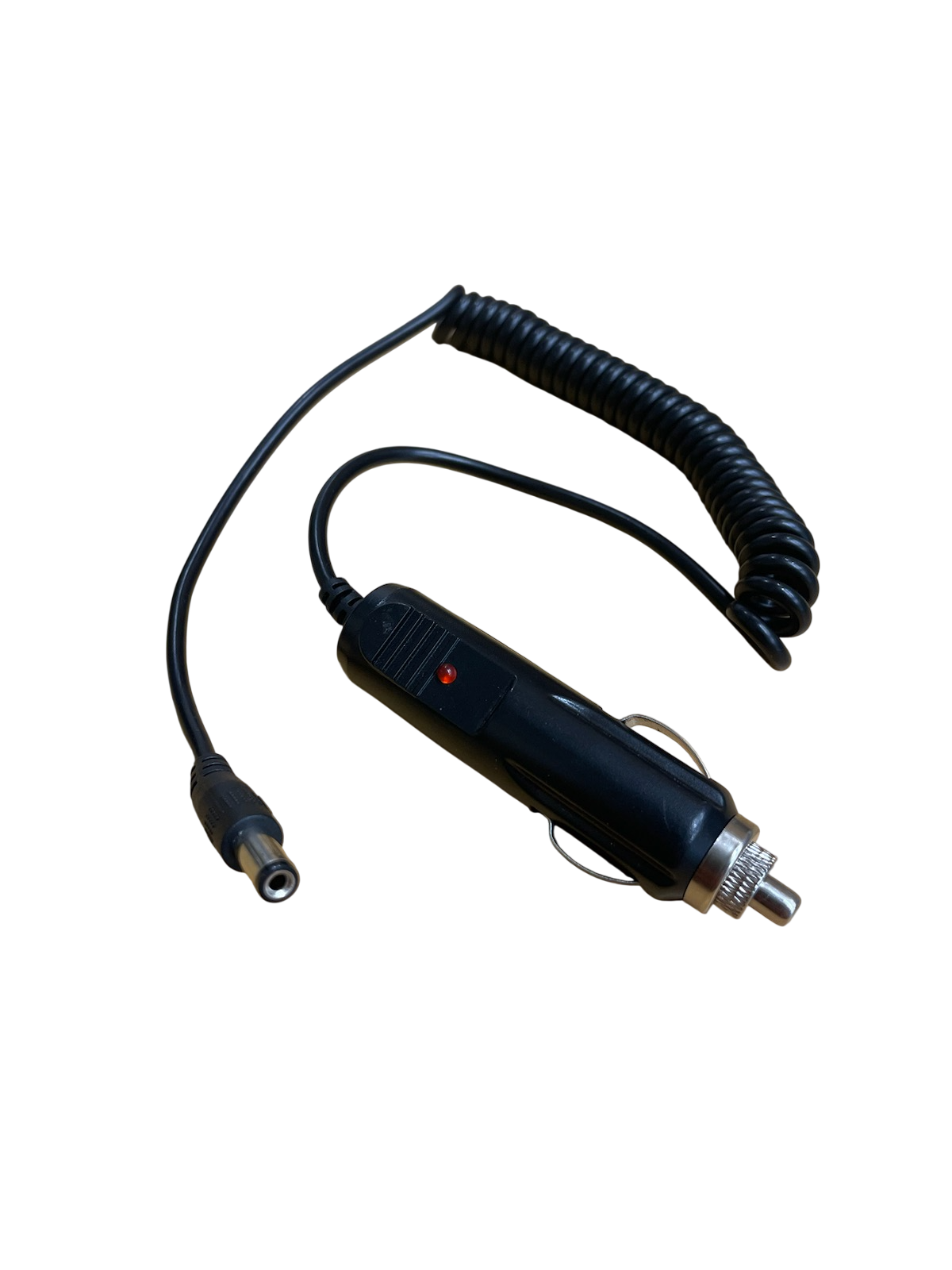
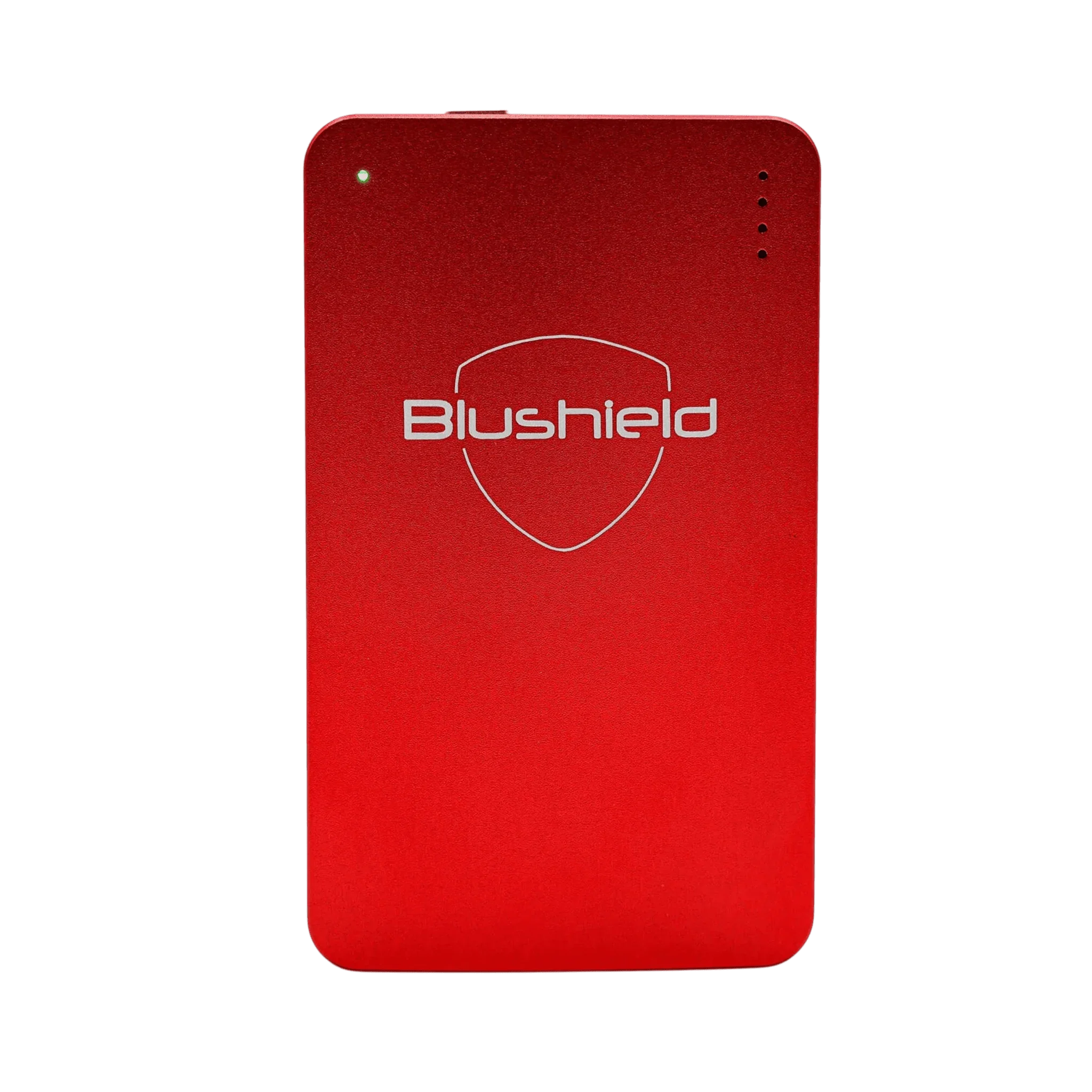
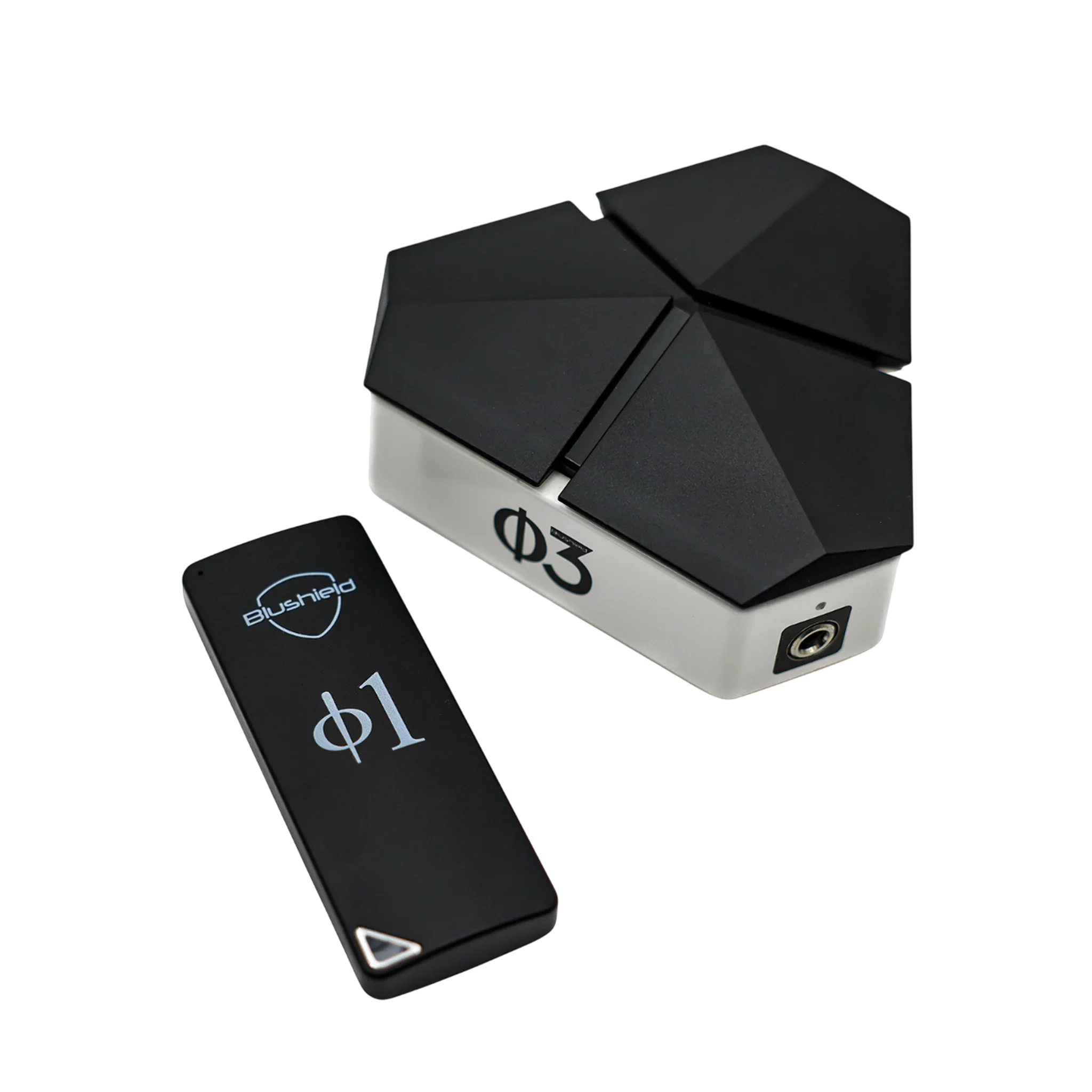
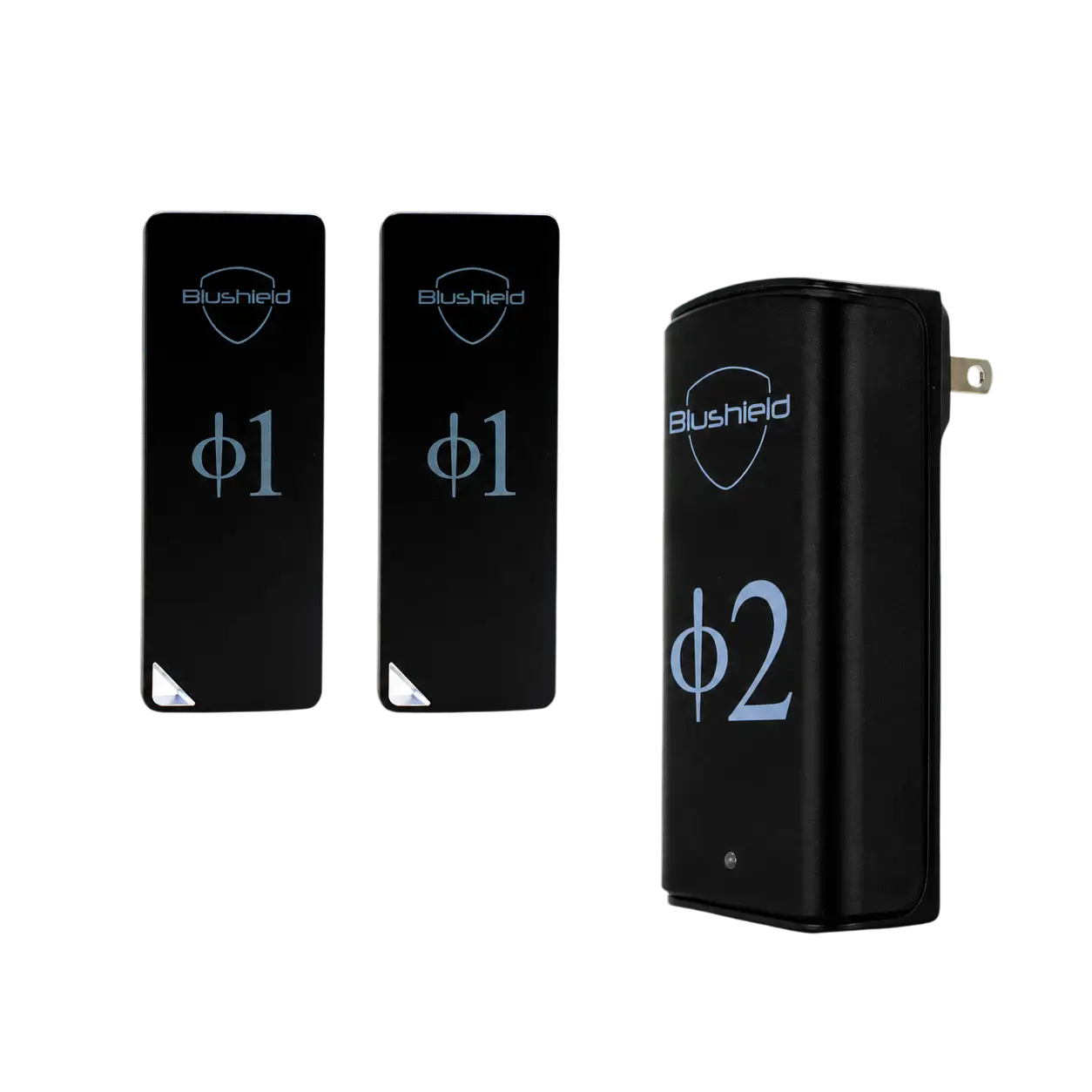
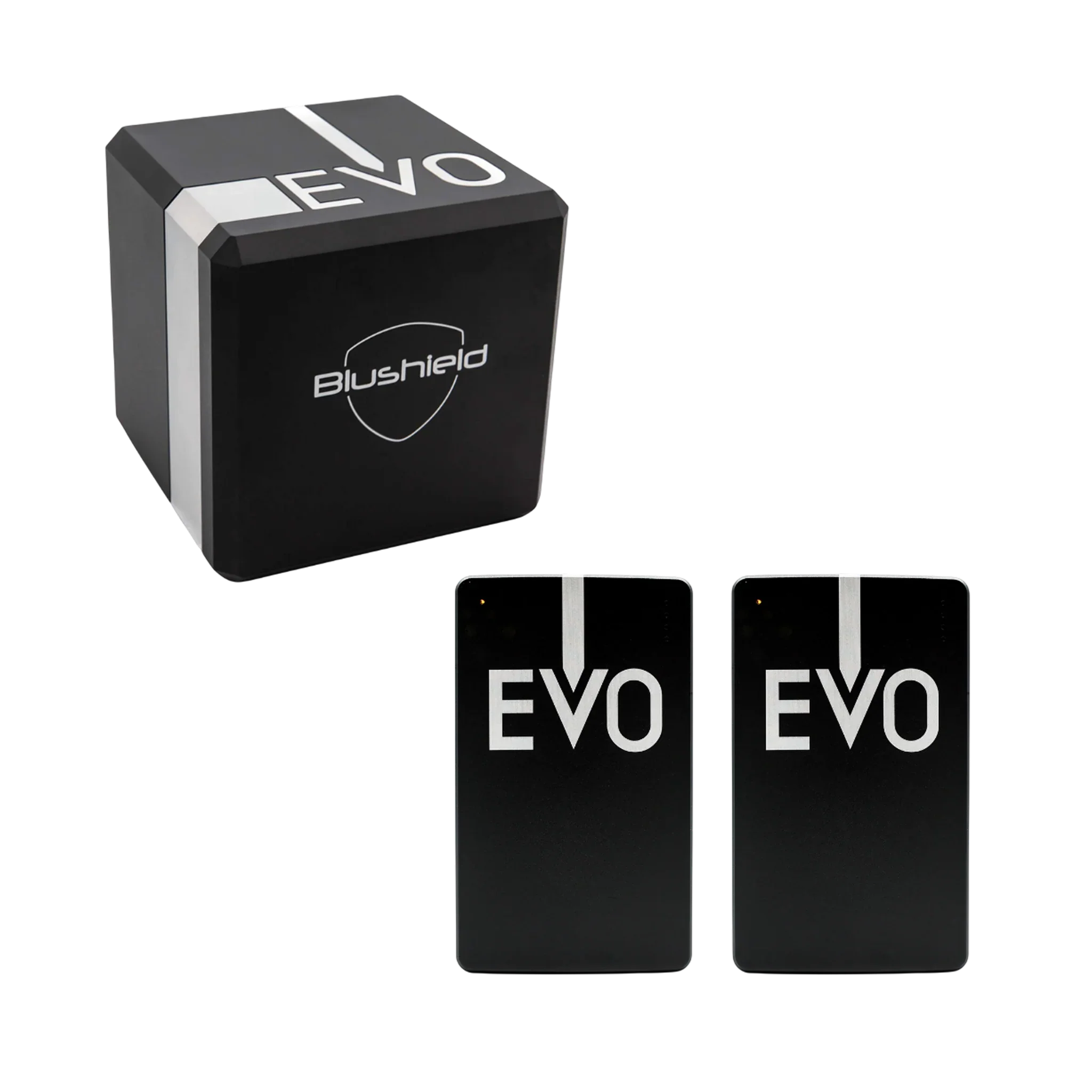
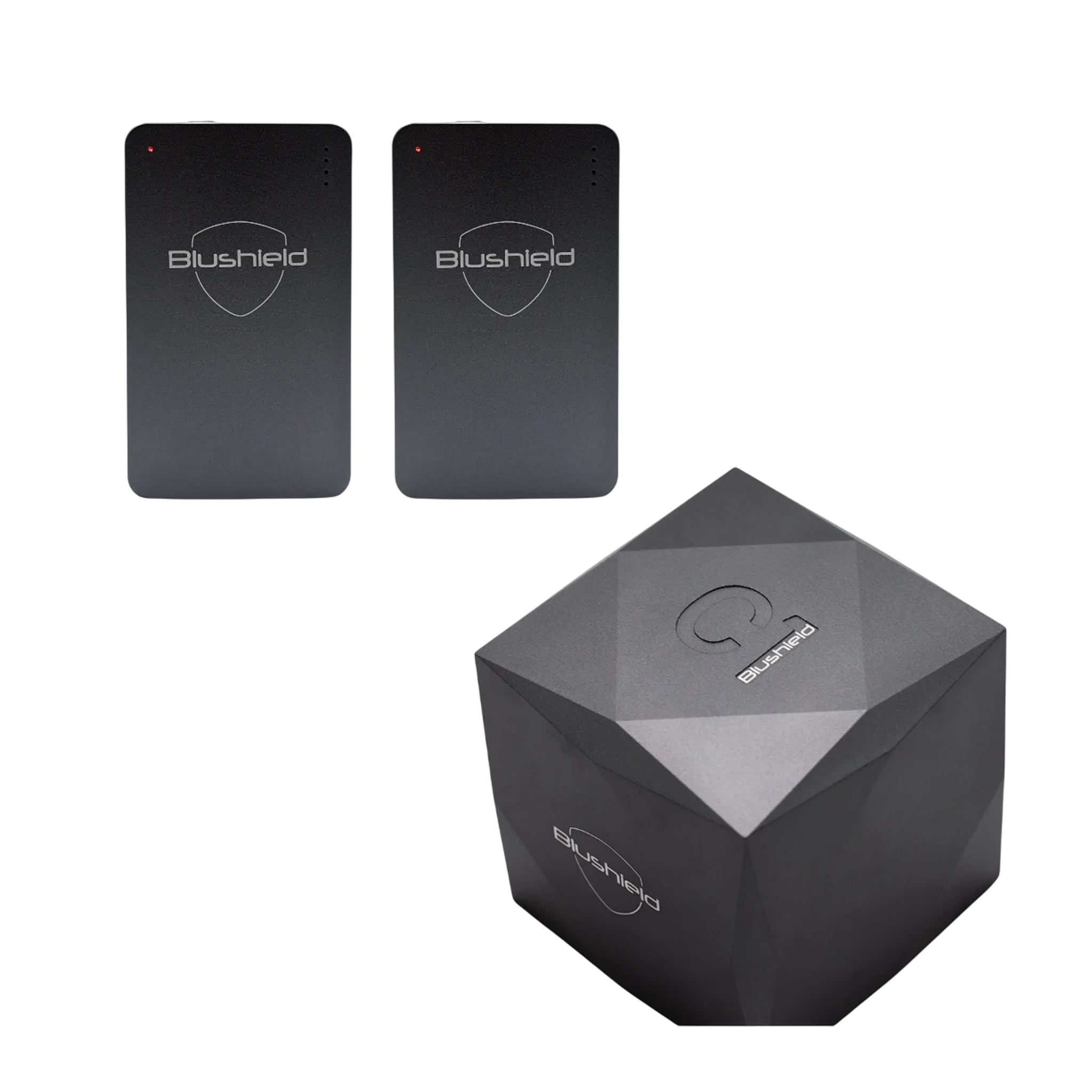
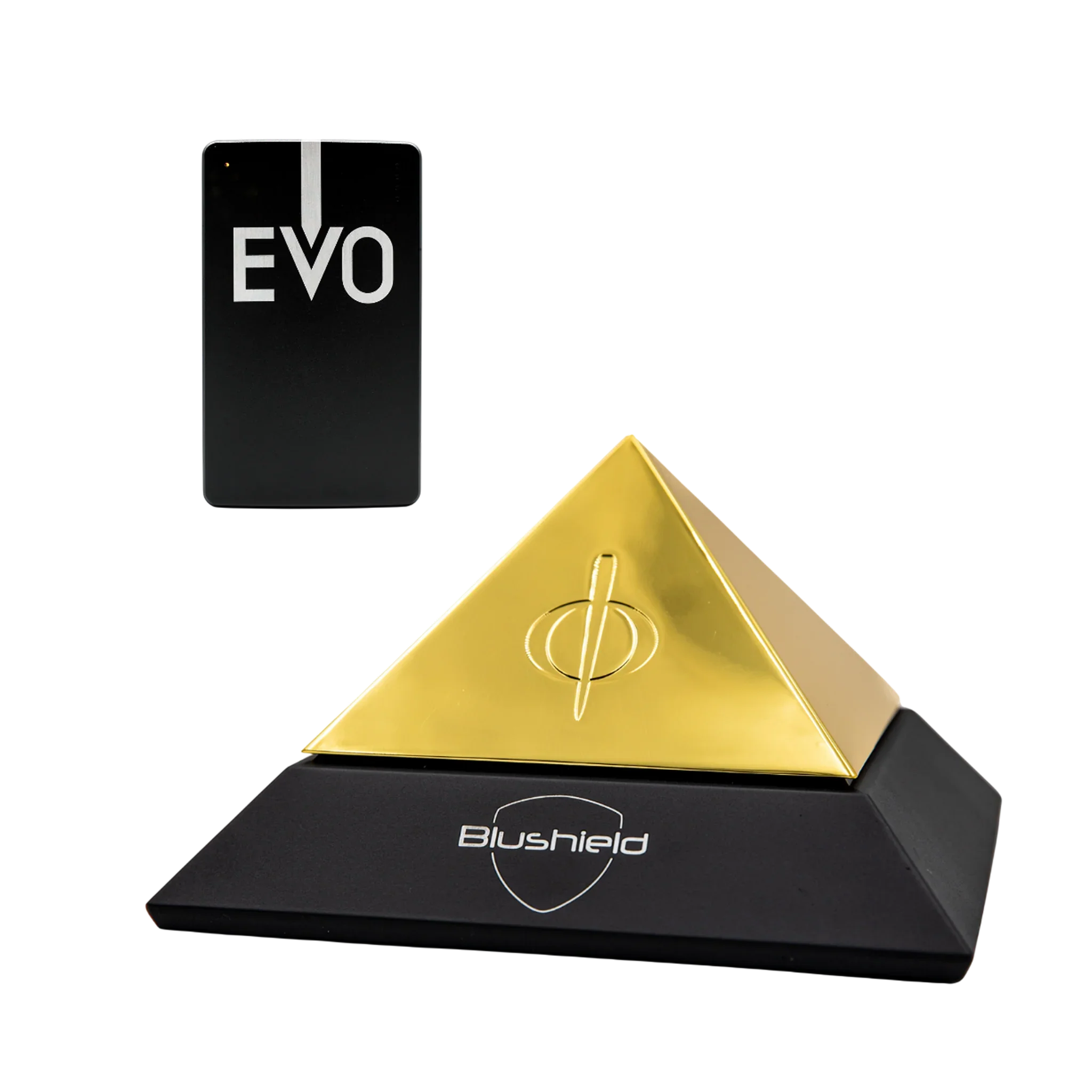
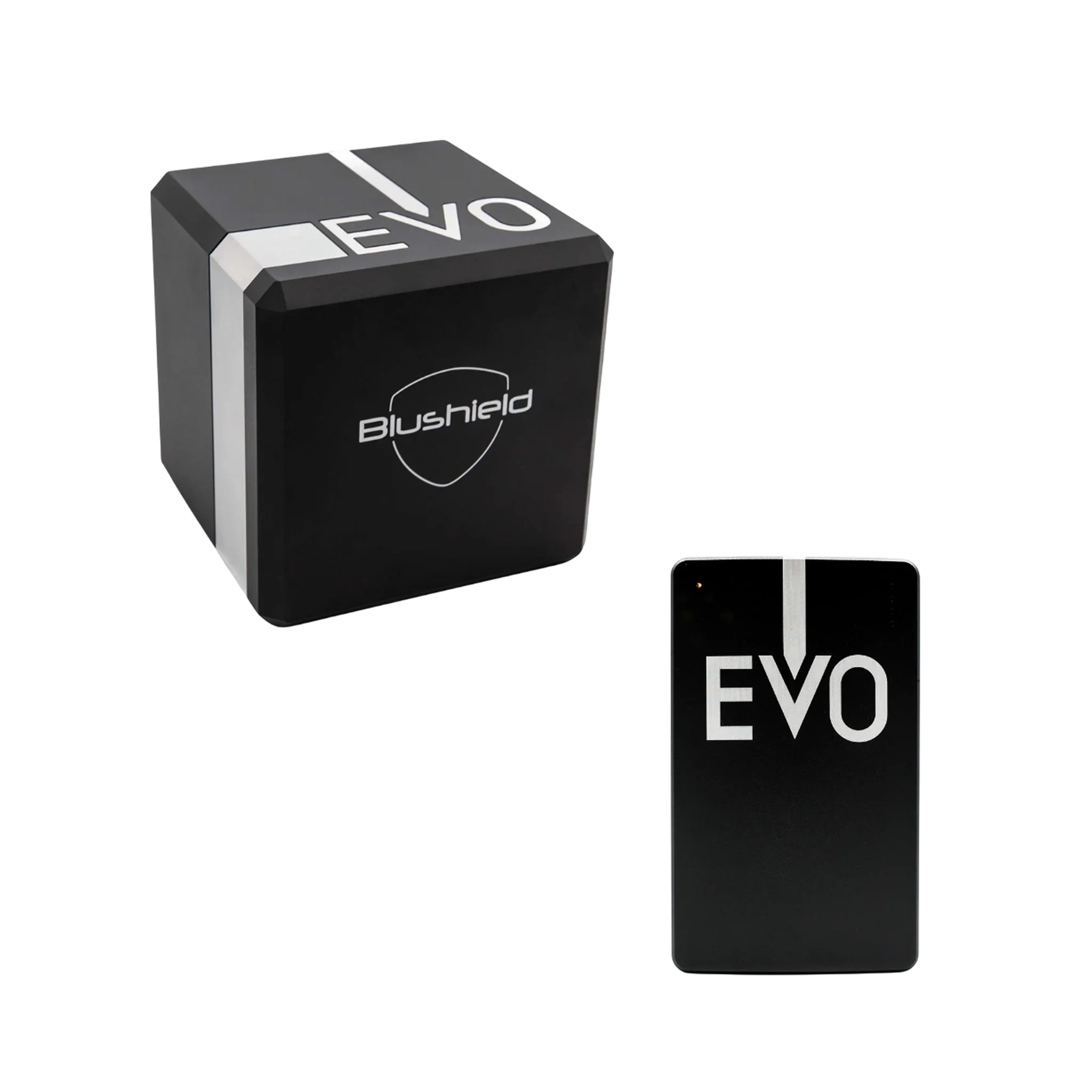
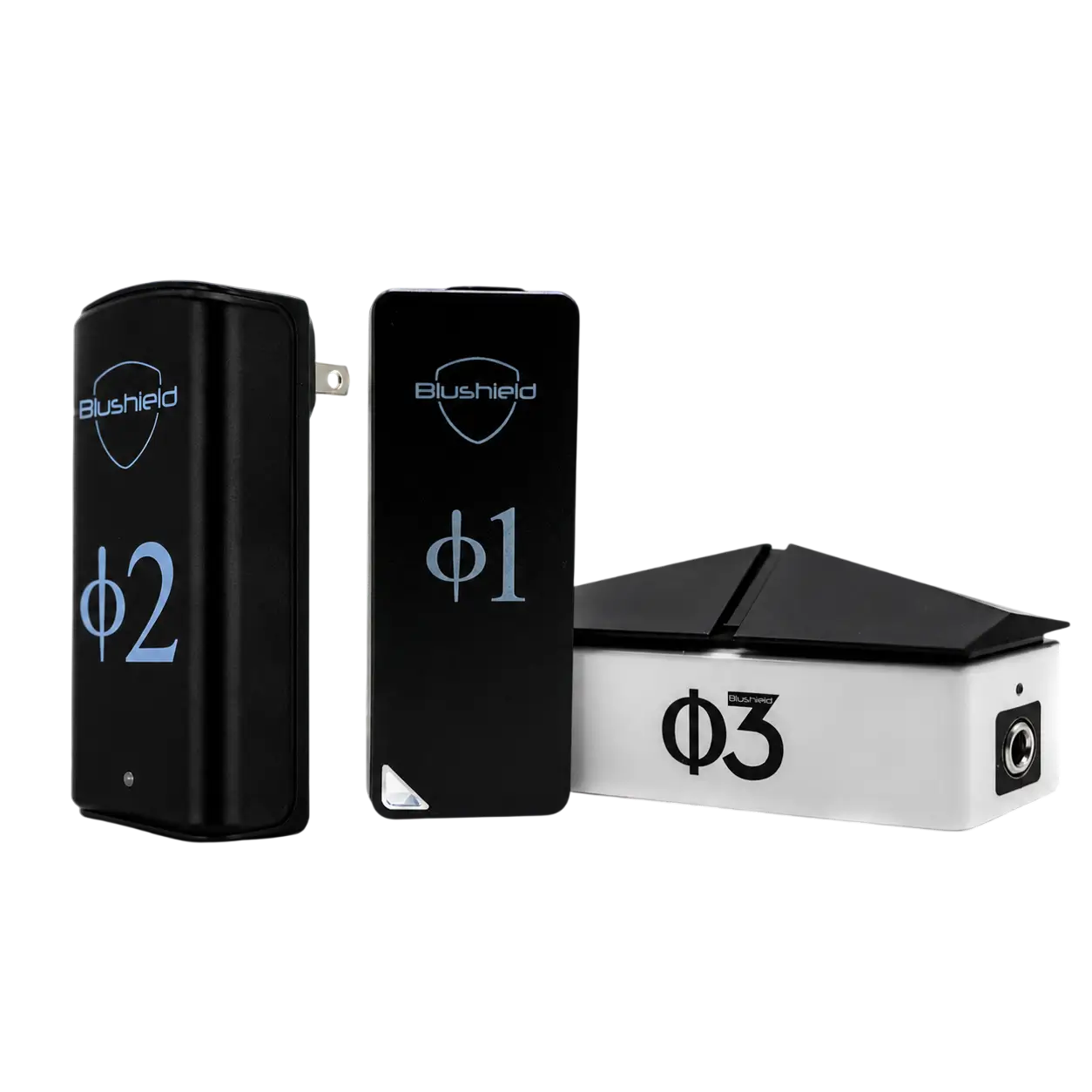
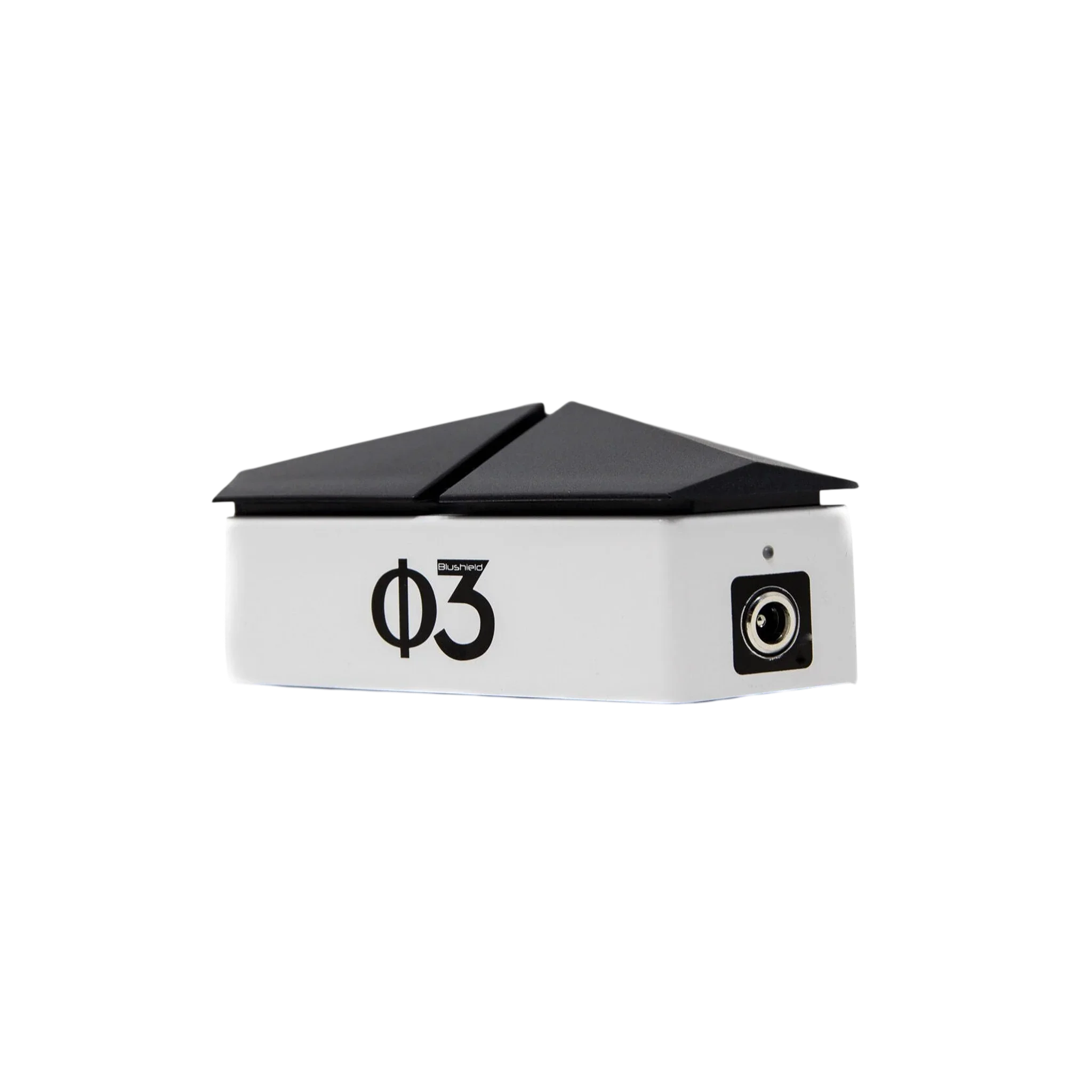
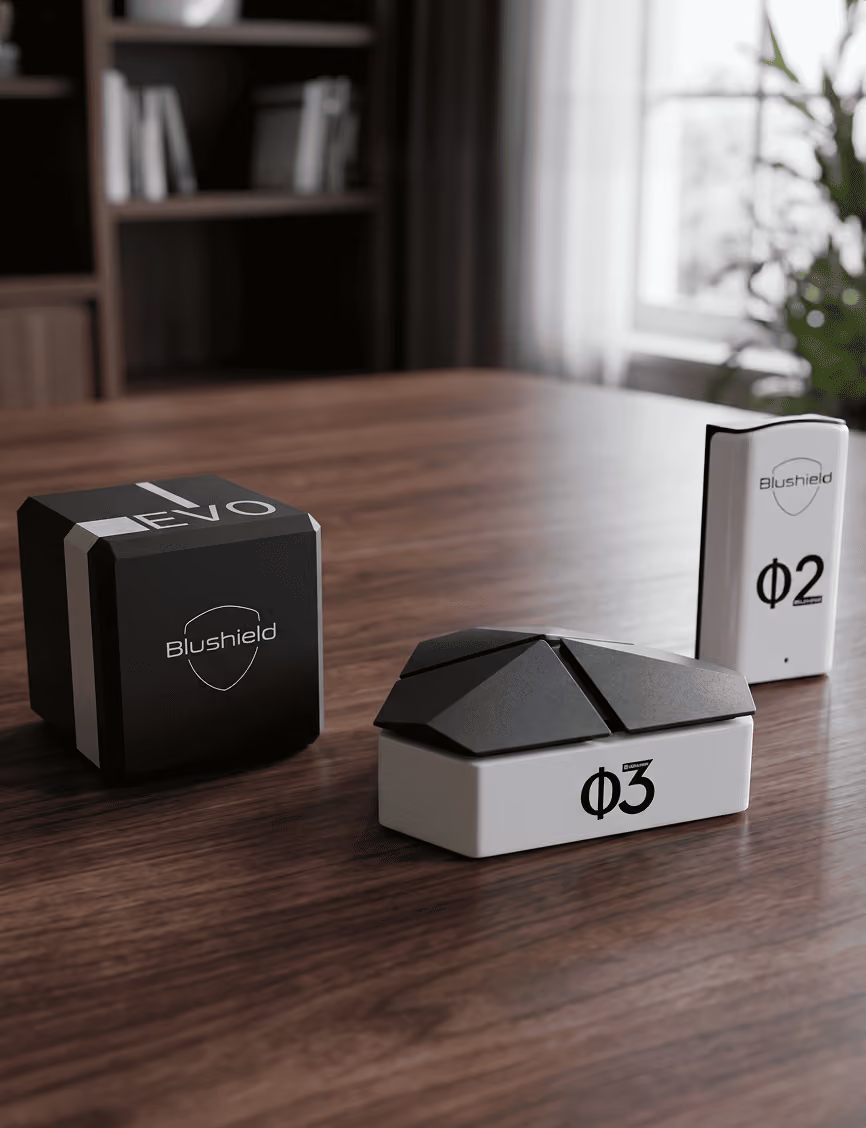
Carrying a portable device (like the Ultimate, Sensitive or EVO Portable) will go a long way in protecting you from the high levels of road travel EMFs. If you spend more time than usual in your vehicle (for your work or leisure), you may consider plugging a strong Blushield stationary device (like the Phi 03) into your car by getting an Auto Adapter Cord to use instead of the wall plug the device comes with. These devices fit very well in the center console of most vehicles, and will emit a strong, biologically coherent field to protect you from the worst of your travel exposures.
For step-by-step instructions on choosing the best home and portable devices for your needs, check out our Blushield Product Guide.
sleep quality, learning, cellular, nervous system, emfs, emf protection, electromagnetic fields, radiation, radiofrequency, 5g, wifi, wireless, cell phone, cell tower, smart meter, smart meters, bluetooth, dirty electricity, power lines, high voltage, blushield, faraday, baby, frequency, protection, cell towers, magnetic fields, electric fields, close proximity, high frequency, radar sensors, high levels, exposure levels, vehicle, house, antennas, environment, higher, spend, hertz, electricity, portable, lives, choosing, information

One frequency exposure source we don’t often consider is diagnostic ultrasonography, and specifically ultrasound procedures used during pregnancy and labor. Ultrasound is considered to be one of the most common routine prenatal care procedures, and has increased in frequency of use as well as intensity over the past decades, many women having ultrasounds performed several times throughout the duration of pregnancy. Another exposure source is continuous electronic fetal monitoring using Doppler ultrasound, which has become increasingly routine even in low-risk pregnancies, to monitor the fetal heartbeat and uterine contractions during labor.
Although fetal ultrasound is widely thought to be “safe and effective”, how much has this common procedure actually been studied, and are there any potential risks to the baby in utero during this delicate developmental stage?
The first thing to understand about ultrasound is that it utilizes high-frequency waves, but that these frequencies are not electromagnetic in nature. They are a type of sound wave, or mechanical vibration, which moves in a purely longitudinal orientation. They are not electromagnetic waves like electricity, cell phones and Wifi, and they are not a type of ionizing radiation like x-rays. However, they still have a considerable effect on the body through thermal and mechanical means.
The “ultra” in ultrasound refers to frequencies above the range of human hearing, around 20,000 hertz (or 20 kilohertz) and higher. In contrast, infrasound frequencies vibrate below the range of human hearing, and occur from natural phenomena like earthquakes, ocean waves and volcanic eruptions, as well as long-distance communication used by animals like whales and elephants. Audible sound is the range between infrasound and ultrasound, and refers to sound waves that vibrate between 20 and 20,000 hertz, the frequency range that can be heard by the average human ear.
Sound waves always propagate through a medium, such as air, water or solid objects, causing the particles of the medium to vibrate. The vibrations cause alternating regions of compression (where particles are closer together) and rarefaction (where particles are further apart). This longitudinal disturbance of the medium creates friction that our ears can perceive within a certain range. Outside of the range of hearing, the disturbance still creates friction, but we cannot perceive it audibly.
The way that ultrasound technology works begins with a transducer containing piezoelectric crystals, which generates high-frequency sound waves when an electric current is applied to the crystals. The transducer is placed on the skin, in this case on the belly of a pregnant woman, and the ultrasonic waves penetrate the body, bouncing off tissues of varying densities inside, creating echoes. The different ways that the waves bounce off tissues of greater and lesser density, including bone, skin, muscle, blood and other fluids, is then converted into digital data that is then used to produce an image of the inside of the body.
This image is called a sonogram, which loosely translates to “sound writing”, since the sound waves basically “write” the image that’s produced. In the image below you can see the sound waves at the bottom of the sonogram, and the image that it is "writing" above it.

Pregnant woman may undergo ultrasound procedures to generate sonograms of the growing fetus, usually for precautionary medical reasons, to assess the baby’s development and health.
Fetal ultrasound utilizes frequencies between 2 and 18 megahertz (MHz), equivalent to 2,000,000 to 18,000,000 hertz. Although these are mechanical waves and not electromagnetic waves, the oscillations move at about the same speed as Wifi signals and 5G wireless technology.
Since ultrasounds do not directly expose the body to electromagnetic radiation, are usually non-invasive, and are generally comfortable for the mother, they have been widely thought to be a safe procedure.
However, there are issues with the available body of research on fetal ultrasounds that are worth examining.
Studies caution excessive or unnecessary fetal ultrasound use due to potential & unknown harms
A systematic study done by the World Health Organization in 2009 examined 61 publications reporting data from 41 different studies on fetal ultrasound use. Although most of the studies appeared to conclude that ultrasound procedures during pregnancy are likely harmless, several warnings are noted at the end of the study review.
One limitation is that none of the analyzed studies had the objective of assessing potential adverse biological effects. Ultrasound procedures were introduced in the 1970s, and the study review states that very little research has been done on possible adverse effects in humans. It’s often the case with studies that if you aren’t looking for something, you won’t find it.
Also, around 90% of the included studies did not record the intensity or duration of exposure. When assessing any exposure source for potential harm, the dose-response gradient is critically important. Participants in many of these studies only received one or two ultrasounds, which is very low compared to common obstetric practices today. If ultrasound exposure were to have a cumulative effect similar to radiation exposure, recording the intensity and duration is completely necessary to assess potential harm.
Another major limitation of this review is the studies mostly included exposures from before 1995, when the acoustic potency of the machines was much lower. Modern ultrasound equipment has advanced considerably, and due to the lack of exposure regulations, current equipment can be eight times more powerful than the machines studied in the ‘90s, although they are used in the same way. Therefore, studies from this time period cannot automatically apply to modern day use.
The absence of studies geared toward the safety of fetal ultrasound use, combined with the wide availability of ultrasound equipment, has created a potentially dangerous situation. Fetal ultrasound scans are widely prescribed by doctors, and requested by mothers, even for non-medical purposes (such as for “keepsake” photos). This directly contradicts the cautionary advice of the Association for Medical Ultrasound, which “advocates the responsible use of diagnostic ultrasound and strongly discourages the nonmedical use of ultrasound.” The Association cites a few studies that recorded harmful effects from pregnancy ultrasound exposure, including low birth weight, delayed speech and dyslexia, and states that there is not enough research to say for sure that it’s safe. They go on to list very specific protocols that medical professionals should follow to ensure minimal harm.
The WHO study analysis states:
“There is a clear need for adequately designed large studies to investigate the safety of ultrasound scans performed with the newer equipment currently in use. However, because prenatal ultrasound is now commonplace, it may be difficult to perform randomized controlled trials without significant crossover. Particularly in developed countries, it would be difficult to recruit women willing to be randomized to a possible non-exposed control group.”
This is a good point, and is one reason why it would have been ideal for the studies to be done several decades ago, before the practice was widely employed. Now, with the vast majority of pregnant women in modern times undergoing regular prenatal ultrasound, there is virtually no more “control group” available. Most of the women who abstain from ultrasounds are choosing to birth outside of the system, often at home with midwives and doulas, with little to no medical interventions. Most of these women would not want to participate in an intensely monitored clinical study.
How ultrasound affects the body – thermal and mechanical
Ultrasound frequencies can affect the body in several ways. As stated earlier, mechanical waves moving through a medium (in this case, human tissue) cause a type of disturbance and friction. The vibrations are absorbed to some extent by the tissues they pass through, creating a thermal effect, which can increase tissue temperature. For sensitive tissues (like fetal tissue), this temperature rise can cause harm if the heightened temperature is sustained for a period of time.
In addition to thermal effects, there are also mechanical effects caused by the physical vibration of the tissues. At higher intensities, this can result in a complication called cavitation, where gas bubbles within tissue begin oscillating, and either growing in size or collapsing, resulting in sudden and significant tissue heating. This is not considered to be a potential danger in fetal ultrasound, since the baby’s body does not contain gases in the lungs or intestines, since they haven’t yet been exposed to the gaseous environment outside the womb. However, it is still considered to be a rare possibility, and at the higher intensities used in therapeutic procedures, ultrasound is known to cause DNA double-strand breaks.
Modern ultrasound machines are designed to guard against these potential side effects by monitoring the thermal index (TI) and mechanical index (MI), which help gauge the potential for thermal effects and cavitation, and medical practitioners should be trained to keep these at low levels. Fetal ultrasound procedures are not considered to be high risk for these complications, due to relatively short exposure durations (usually 15-45 minutes per session), as well as non-continuous exposure where the beam is moved around often, and not focused on the same part of the baby’s body for very long.
Unfortunately, common labor and delivery procedures in hospitals in modern times bring another, much longer duration exposure source: continuous electronic fetal monitoring (EFM). This is where a Doppler ultrasound device is attached to the laboring woman’s belly for the entire duration of her labor, to monitor her uterine contractions and the baby’s heartbeat. Combined with longer average labor durations in modern women, this means that the baby can be exposed to ultrasound frequencies continuously for 7-18 hours or longer. Although this practice is now common, even in low-risk pregnancies, there is almost no evidence that it increases positive outcomes in low-risk or even high-risk pregnancies.
A research paper published in 2020 hypothesizes that continuous electronic fetal monitoring during prolonged labors may increase the incidence of autism spectrum disorder (ASD) in children. The routine use of EFM does seem to correlate with the unexplained increase in autistic symptoms in babies and children, and is worthy of consideration as one potential cause, most likely in combination with the increase of other types of interventions and toxic exposure sources.
A few more ultrasound risks to consider
Another considerable risk of both prenatal ultrasound and continuous electronic fetal monitoring is the potential for inaccuracies, and the unnecessary interventions that may follow.
Fetal ultrasound during pregnancy can sometimes result in incorrect interpretations and diagnostic inaccuracies. This can cause a lot of stress for the parents, and even inappropriate medical interventions like premature induction or C-section. If an ultrasound detects a potential abnormality, this can cause significant anxiety for the parents, even if the finding later turns out to be benign or incorrect. Ultrasounds are especially notorious for misjudging the size or weight of the baby, which may cause the parents to worry if the baby is said to be too small for its gestational age, or too large for a natural vaginal birth.
Electronic fetal monitoring can be affected by maternal movement or obesity, leading to inaccurate readings. If a reading falsely detects signs of fetal distress, it may result in an unnecessary C-section or other intervention that interrupts the natural progression of labor and birth, resulting in stress and trauma for the mother and baby.
One final risk that’s important to note is exposure to actual electromagnetic fields from fetal ultrasound. Although the frequencies that directly penetrate the body are mechanical waves, the transducer generates these waves from an electric current. If this transducer is placed on the mother’s body, she and her baby are being exposed to these ambient electric fields, which will penetrate to some extent. We know that babies, especially in utero, are highly sensitive to EMFs, and close exposure may impact their development. Each prenatal ultrasound will expose the very young fetus to 15-45 minutes of electric fields, which will compound the stress from the mechanical waves themselves. Then if continuous EFM is used during labor, that’s a major EMF exposure source during the sensitive and delicate window of labor and birth, during which the mother and baby are already stressed to the max.
Undoubtedly, there are legitimate medical reasons why you may want to use ultrasound during pregnancy and labor, and it has surely saved lives when used in medically necessary instances. That fact does not negate the need to utilize the precautionary principle with all procedures that have inadequate safety testing, and that clearly have biological effects.
References:
- Study review: “Safety of ultrasonography in pregnancy: WHO systematic review of the literature and meta-analysis” – https://obgyn.onlinelibrary.wiley.com/doi/10.1002/uog.6328
- Research article: “Ethical Analysis of Non-Medical Fetal Ultrasound” – https://journals.sagepub.com/doi/abs/10.1177/0969733009106655
- Research article: “Benefits and risks of ultrasound in pregnancy” – https://www.sciencedirect.com/science/article/abs/pii/S0146000513000694
- Medical hypothesis: “Continuous electronic fetal monitoring during prolonged labor may be a risk factor for having a child diagnosed with autism spectrum disorder” – https://www.sciencedirect.com/science/article/pii/S0306987720327389
- Association for Medical Ultrasound: “Prudent Use and Safety of Diagnostic Ultrasound in Pregnancy” – https://www.aium.org/resources/official-statements/view/prudent-use-and-safety-of-diagnostic-ultrasound-in-pregnancy
- Association for Medical Ultrasound: “As Low As Reasonably Achievable (ALARA) Principle” – https://www.aium.org/resources/official-statements/view/as-low-as-reasonably-achievable-(alara)-principle
anxiety, stress, focus, autism, emf, emfs, electromagnetic fields, electromagnetic radiation, radiation, 5g, lte, wifi, wireless, cell phone, exposure, emf exposure, symptoms, children, pregnancy, baby, sar, frequency, electronic fetal, fetal monitoring, sound waves, exposure source, ultrasound procedures, continuous electronic, mechanical waves, prenatal ultrasound, study review, medical ultrasound, studies, labor, cause, effects, women, ultrasounds, thermal, range, research, common, duration, electromagnetic, tissues, image, safety, birth, diagnostic

Shielding or blocking electromagnetic fields is one of the most commonly used methods of EMF protection. Since EMFs are a threat that is invisible and intangible to our senses, it has taken a long time for many people to realize that they are harmful at all, since the harm may not be immediately apparent and can take a period of time to manifest. Likewise, EMF protection methods utilizing subtle energy techniques, like the scalar field emitted by Blushield devices that the body entrains with via sympathetic resonance, are difficult to measure with instruments (but can be measured by effects on living organisms, as our studies demonstrate).
We theorize that the popularity of EMF shielding is largely due to the mental satisfaction of seeing the numbers on an EMF meter go down when a shielding method is used, giving the user a tangible sense of it “doing something”. However, the actual effectiveness of shielding is considerably more nuanced than what an EMF meter can measure, as we detail in our full article on shielding and blocking EMFs:
EMF Shielding & Faraday Cages
The various drawbacks and inefficiencies of shielding outlined in the article linked above include:
- Incomplete shielding can cause the radiation source to ricochet to other areas and create “hot spots” of greater intensity
- Using a cell phone in a partially shielded area will ramp up its power (and EMF output) to compensate for the weaker signal, to maintain a connection with a cell tower
- Full shielding (which is difficult and expensive to achieve) blocks the signal transmission of your cell phone and Wifi, so you have to leave your shielded area to use your devices at all
- The scalar component, which is part of all EMFs and contains the information signature that is most harmful to the body, is not blocked at all by shielding methods
- Shielding will reduce or eliminate your connection to beneficial frequencies emitted by the Earth itself
This article will mainly focus on the final point on that list: the potential harm that being disconnected from the Earth’s beneficial frequencies can have on your health in the long term.
From what we know about scalar energy, nature is a rich source of these types of fields, often referred to as “bio scalar”. Shielding methods will not block out any scalar fields emanated by natural sources, which is good. However, an important part of the Earth’s natural frequencies, including the Schumann resonances, are measurable frequencies (if you’re using a highly sensitive meter), which means they contain a transverse component that can be blocked by shielding materials.
Electromagnetic fields generally consist of both a transverse and scalar component. The transverse fields are measurable, and can also be blocked by conductive materials like metal, which is how shielding is accomplished. Scalar fields are produced when two electromagnetic fields meet each other at exactly the same frequency but in the opposite phase, appearing to result in a “canceled” field, but in reality creating a non-measurable field with considerably different properties. The generation of scalar fields occurs naturally as a byproduct of electromagnetic field emission. To understand this phenomenon in more depth, you can read our articles on scalar energy.
Can shielding be harmful to your health?
A study review was written in 2019, titled Shielding methods and products against man-made Electromagnetic Fields: Protection versus risk, by Dimitris Panagopoulos and George Chrousos. It found that using shielding methods in an attempt to block harmful EMF sources can actually be harmful in itself. The harm was found to be directly related to blocking the Schumann resonances, which is an ambient natural field we are constantly exposed to that regulates our circadian rhythms, maintaining our homeostasis and our health.
A series of pioneering experiments were conducted in the 1960’s and 1970’s by Ruetger A. Wever, a biophysicist at the Max Planck institute in Germany, over a period of many years. A total of 232 study participants stayed for several weeks in two underground apartments. One apartment was equipped with metal shielding in the walls (unknown to the participants), and the walls of the other apartment were built normally, without any shielding. The walls in the shielded apartment prohibited the natural atmospheric electromagnetic fields from the Schumann resonances (as well as the static terrestrial electric field of the Earth) from penetrating the interior of the apartment, so anyone inside was not being exposed to these fields.
The circadian rhythms of the study participants living in the shielded apartment began to desynchronize over a period of time. It did not happen immediately, but gradually, and continued to deviate more dramatically from normal, natural rhythms the longer the subjects lived in the apartment. Our circadian rhythms govern our activity levels, body temperature, sleep/wake cycles, and other rhythmic factors that affect our health and well-being. The circadian cycle of the study subjects gradually shifted from the normal 24 hour cycle to 28.5 hours, and was independent of exposure to natural or artificial lighting, as the subjects were allowed to leave the apartment at any point during the day (but slept in the apartment at night). The control subjects, living in the apartment without shielding (but identical in every other way), did not experience this internal desynchronization at all.
Interestingly, turning on an electric pulse generator in the shielded apartment, which emitted a 10 hertz electric field (close to the base Schumann resonance frequency) restored biological synchronization, which would again become desynchronized if the device was turned off. The study concluded that the Schumann resonances act as a pacemaker for human and animal biological rhythms, independent of the light and dark cues of day and night.
The problem of thick, closed metal walls blocking the Schumann resonances may also affect the health of submarine, ship and aircraft personnel. There are several factors that are known to negatively impact the health of these individuals, but circadian rhythm disruption from disconnection with the Earth’s natural fields are very likely to be an additional contributing factor.
It’s common for electro hypersensitive (EHS) individuals to experience an initial relief of their symptoms by using shielding methods, and then to experience a relapse of their symptoms (often even worse than before) if they stay inside shielded environments for long periods of time. The initial improvement is likely due to the removal of the stressful influence of the harmful EMFs, but then the body becomes dysregulated over time from an absence of natural, healthy electromagnetic fields, and symptoms return.
The paper also touches on the ineffectiveness of EMF protection methods that attempt to “harmonize” the harmful EMFs, by “altering the radiation into a form that does not produce adverse health effects”. Most of these products are patches or stickers placed on a cell phone or other radiation-emitting device, or passive devices that claim to alter the environmental EMFs through various means. The paper explains why these methods cannot work as they claim to:
“One cannot modify the radiation (frequency, waveform) once it has been emitted by a device. One can only attenuate it (reduce its intensity). Modification would only be possible by modifying the electronic circuits within the devices. Even if that were the case with these products, which is not, once the emitted signal is modified or attenuated, the device (mobile phone, etc.) would lose its ability to connect with the network and communicate. If one simply attenuates the signal without modifying it, which is possible, the mobile phone again will have difficulty in establishing connection with the base antennas and automatically will emit a stronger signal/radiation/EMF in order to be able to connect/communicate.”
This statement sums up why we do not recommend these types of products as an effective or legitimate form of EMF protection.
Non-shielding solutions to protect from harmful EMF exposure
After reviewing these studies from the ‘60s and ‘70s, and explaining why some other types of “harmonizing” EMF protection devices can’t work the way they claim, the 2019 paper attempts to propose potential solutions for reducing EMF harm. The paper concludes that constant use of full or partial shielding has significant risks that outweigh its benefits, and also lacks legitimate studies on its effectiveness.
The paper proposes that intermittent shielding may have some benefits with lower risks, but does not express confidence in short-term shielding as a primary EMF protection solution, due to its inherent limitations that leave one still exposed to harmful EMFs for the majority of the time.
The authors move towards the conclusion that the only solution to EMF protection they are currently aware of is reducing exposure to EMF sources. We agree that minimizing exposure to overt and strong EMF sources should always be your first line of defense. This can mean that instead of holding your cell phone up to your head when you make a call, you use speakerphone or an AirTube headset instead, to keep the phone at a safer distance from your head. It can also mean turning off your Wifi router at night, or even better, wiring your internet with ethernet cables. There are quite a few other ways to cultivate better “EMF hygiene”, which refers to being conscious of your proximity and use of EMF emitting devices.
Unfortunately, reducing EMFs is not a fully satisfactory solution. In today’s world, it’s impossible to eliminate them completely, or even minimize them to a safe level. We cannot control the device usage of people around us, our neighbors’ Wifi routers and smart meters, our vehicle’s EMFs, the electrical grid of our home, or the ambient levels we are exposed to from many sources while traveling outside our home. Some of us have the option, and desire, to move to a rural area where EMFs are lower in general, but many of us either don’t have that option, or prefer to live in a city for personal reasons. Even if you move to the country, in 99.9% of cases you will still be exposed to 5G radiation from satellites. We literally cannot get rid of all of it, and it can require considerable personal sacrifice to our finances and/or lifestyle to get rid of even just a percentage of it.
If we can come to terms with the EMF bubble we currently live in as modern humans, we can then acquire tools to help us handle it much better. Blushield devices produce a strong scalar field that’s biologically harmonious, like the fields emitted by nature. Just like the natural fields we need to thrive, Blushield produces infinitely and subtly varying waveforms at different frequencies and amplitudes, but in a stronger form. This allows our bodies to perceive and entrain with this healthy field, even though the other fields still exist around us. We have just created a “bubble of protection” in the midst of the chaotic repetitive frequencies, protecting us at the cell level.
When combined with a sensible reduction in EMF sources that we can control, Blushield fills in the gaps to give us the protection we need from the exposure sources we cannot control.
References:
Study review: “Shielding methods and products against man-made Electromagnetic Fields: Protection versus risk” – https://www.sciencedirect.com/science/article/abs/pii/S0048969719308526
stress, focus, emfs, emf protection, electromagnetic fields, ehs, radiation, 5g, lte, wifi, cell phone, mobile phone, cell tower, smart meter, smart meters, scalar, scalar energy, blushield, faraday, symptoms, frequency, health effects, protection, shielding methods, schumann resonances, beneficial frequencies, scalar fields, circadian rhythms, shielded apartment, harmful emfs, natural, health, sources, emitted, blocking, signal, exposed, paper, meter, article, walls, subjects, control, period, energy, living, studies

Modern technology has brought a multitude of conveniences that have changed our lives to the core, and most of us would say this has improved our lives in quantifiable ways. Just as impactful to our lives is the invisible, hidden force of electricity that powers this technology. The effects of electrical energy on our health is not as obviously quantifiable as the benefits and conveniences of the technology producing it, and is definitely not at the forefront of our minds, since we cannot see this force. Many people have no idea that these fields are affecting us on a daily basis.
Manmade electromagnetic fields that most of us are now exposed to 24/7 include wireless radiation from communication equipment like cell phones, cell towers, Wifi routers, Bluetooth, and smart meters; standard AC electrical power emitted by our home wiring and appliances; radar sensors in our automobiles; and electric and magnetic fields produced by motors.
One unusual exposure source that has only become more widely known in the past decade is dirty electricity. In the past, it was widely believed that the standard 60 hertz AC power from our home wiring was the only type of EMF we were being exposed to from our home electricity, but since modern devices and appliances utilize electricity in a much more complex way than the simpler machines of the past, there are now additional exposures from this same source that have become concerning to scientists and health conscious individuals.
60 hertz alternating current (AC) electricity is part of the extremely low frequency (ELF) range of the electromagnetic spectrum, and the link between ELF fields and poor health has been studied more extensively than most other forms of EMFs. Riding on the same power lines as our 60 hertz electricity are high frequency surges and spikes, which often reach into the kilohertz and even the megahertz range, considered to be part of the microwave or radiofrequency range of the electromagnetic spectrum. This phenomenon is called by several different names, including high frequency voltage transients, line noise, power line electromagnetic interference (or line EMI), and most commonly in layman’s terms, “dirty” electricity.
If you were to examine the frequencies with an oscilloscope, you would see a smooth 60 hertz sine wave, as well as a rapidly fluctuating jagged line representing the voltage spikes and surges that are simultaneously “riding” on the line.
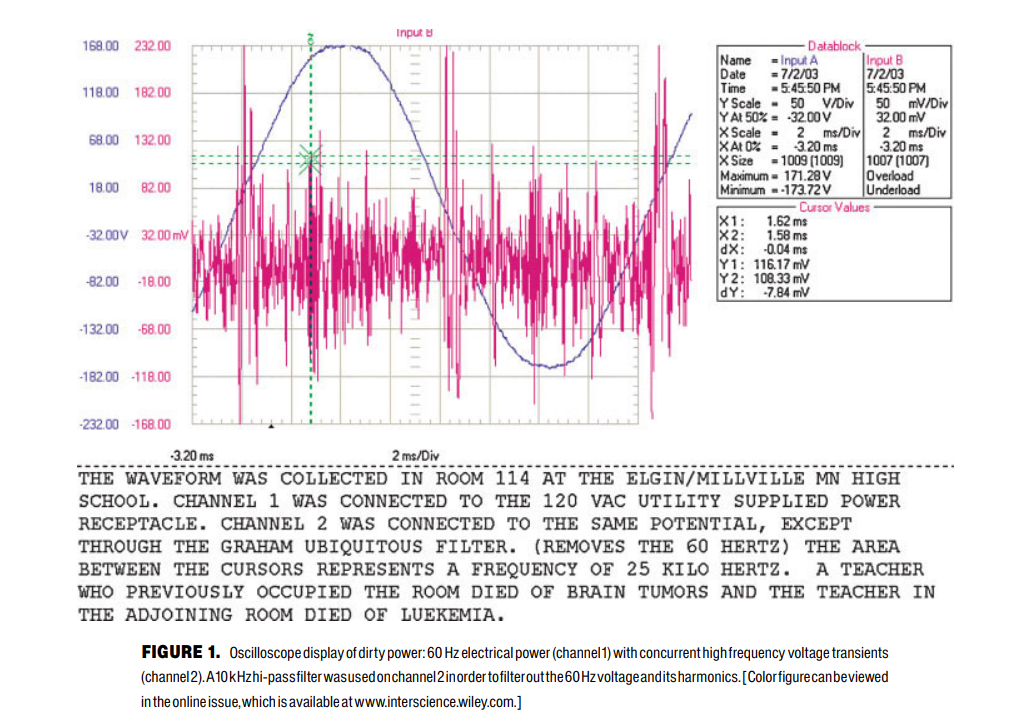
The reason these voltage surges and spikes exist is because many modern devices and appliances no longer use AC electricity “as-is”. Instead, the device has to change or manipulate the electric current in some way, to render it usable for more complex functions. Many devices convert AC electricity into a low voltage DC current, or a higher frequency AC, including devices that use switching power supplies like phone chargers and computers. Major sources of dirty electricity are electrical equipment designed to operate using an interrupted flow of current, such as light dimmer switches, which interrupt the current flow twice per 60 hertz cycle (or 120 times per second), and “power saving” compact fluorescent light bulbs that interrupt the current at least 20,000 times per second. Because of the interrupted flow, some of the current is rendered unusable, and is forced to recirculate back into the electrical wiring at much higher frequencies, creating line noise.
Some sources of dirty electricity include:
- Light dimmer switches
- Compact fluorescent light bulbs and tubes (CFLs)
- Battery charging devices for cell phones, tablets, etc.
- Desktop and laptop computers
- Televisions
- Refrigerators
- Multi-speed fans
- Appliances with variable speed motors (like blenders, mixers and hair dryers)
- Solar power inverters
- Wifi routers and modems
- “Smart” utility meters
The “smart” utility meters that power companies have installed on most of our houses within the past decade are a particularly insidious form of dirty electricity. Not only are they almost constantly emitting radiofrequency radiation to send information about our electric usage to the power company, the meter is also constantly gathering information about our in-house device usage. The meters use a switched mode power supply to change the voltage every time current moves between the meter and the electrical line, and since it does this every couple of seconds, this generates a significant amount of dirty electricity. You can read more about smart meters in particular in an article we wrote on the subject, which elaborates on the dangers of this EMF source:
The Health, Safety and Privacy Concerns of Smart Meters
Unfortunately, dirty electricity created at a specific outlet, from one device or appliance, does not remain localized to that area. It begins to circulate through the wiring of the home, through every room in the house, and even to neighboring houses, contaminating the quality of electricity in any structure that’s connected to yours. Dirty electricity that’s generated outside the house (usually from outside power lines) can also contaminate your indoor environment. This can be caused by power line short circuits, equipment failure, lightning strikes, outdoor objects (especially metal) coming into contact with power lines, and interference from nearby wireless communication devices, radio transmitters and industrial equipment.
Dirty electricity is also produced by cell phone towers, which use switching power supplies to operate their radiofrequency transmitters, and to charge the batteries used for backup power during grid outages. Structures located near cell towers have been measured to have high levels of dirty electricity in their electrical outlets, as well as abnormally high ambient levels in the air.
Are there documented harmful effects of dirty electricity?
Along with the electric fields generated by 60 hertz power, the high frequency voltage transients riding on the same power lines are radiated into the immediate living environment through outlets, power strips, electronic devices and cords/wires, exposing anyone in the vicinity to harmful electromagnetic fields. Once dirty electricity became widespread, it was found that many devices were sensitive to it, including computers, as well as audio recording and playback equipment like speakers and amplifiers. We now protect our sensitive equipment by using surge protectors and power conditioners, to shield it from these voltage spikes and surges. Our bodies are vastly more electrically sensitive than any device, so it’s astonishing that many have assumed for so long that it has no effect on us.
Scientists Samuel Milham, Magda Havas and David Stetzer have each published extensive materials documenting the harmful effects of dirty electricity. Their combined body of work has brought to light the health dangers of these high frequency transients that ride on our power lines.
Detrimental health effects that have been associated with dirty electricity exposure include cancer, diabetes, cardiovascular disease, chronic stress, abnormal neurotransmitter levels (and the resultant brain and mood disorders), obesity, asthma, and electro sensitivity.
A 2013 study report authored by Sam Milham and David Stetzer, Dirty electricity, chronic stress, neurotransmitters and disease, compiled several instances of abnormal neurotransmitter levels in people exposed to high levels of dirty electricity. The areas studied were very near cell towers, and had excessively high ambient dirty electricity measurements. They hypothesize that the dirty electricity is triggering chronic oxidative stress in the body, resulting in neurotransmitter level irregularities.
This chronic stress response and neurotransmitter dysfunction was linked to serious chronic illness. One of the most alarming studies done was in 2008, where a group of teachers at a La Quinta, California middle school were diagnosed with abnormally high incidences of cancer. A single year of employment at this school increased cancer incidence by 21%, and the risk increased considerably with each year a teacher spent at that school. The types of cancer that showed up were varied, including breast, ovarian, thyroid, colon, pancreatic cancers, as well as melanoma and lymphoma. Unlike the studies on cell phone radiation within close proximity of the head, which are primarily linked to gliomas of the brain and schwannomas of the heart, cancer linked to dirty electricity seems to show up in many forms.
An elementary school in North Palm Springs, California, with a cluster of cancer cases in personnel, was investigated in 2010. This school was also in very close proximity to a cell tower, and dirty electricity measurements were highest in the room closest to the tower. Cancer cases were overrepresented in teachers who taught in that room. Dirty electricity readings became successively lower with increased distance from the tower. One teacher complained that her 4th grade students were “hyperactive and unteachable”, and were astonished to find these behavioral issues disappear after installing dirty electricity filters in the school.
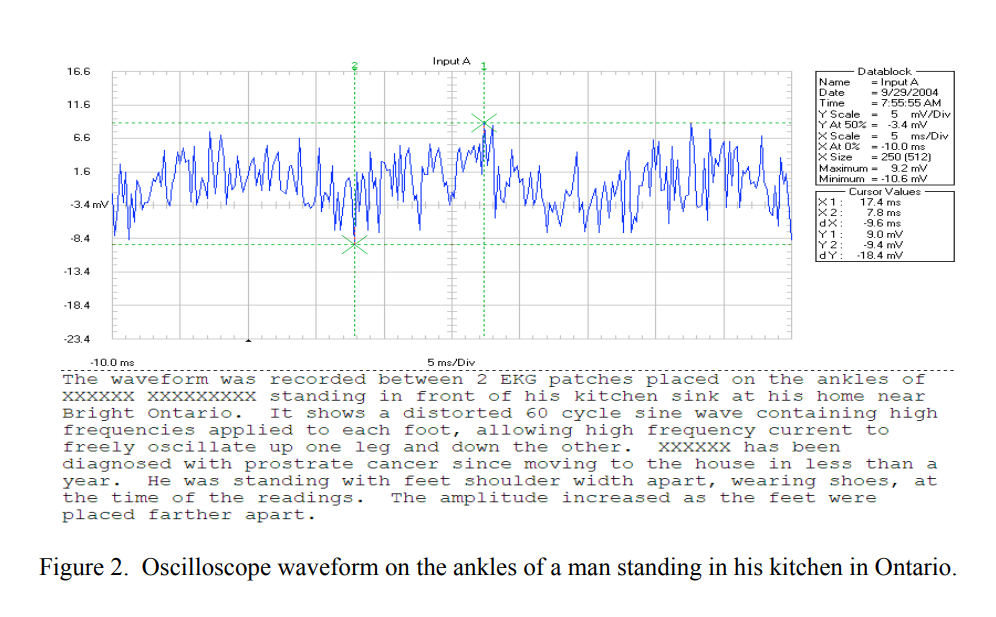
One may assume that harmful fields from dirty electricity would be contained locally in the vicinity of the walls and wiring itself. Unfortunately, that does not appear to be the case, as high frequency currents tend to become ground currents, which can increase ambient radiofrequency exposure all throughout a home. Even if one is wearing shoes inside their house, these ambient fields will still try to “ground” through a human (since our bodies are conductive), turning our bodies into part of the electrical circuit. A man in Ontario was diagnosed with prostate cancer within less than a year of moving to a home with high dirty electricity readings. EKG patches were placed on his ankles while he stood in his kitchen, which showed high frequency currents oscillating up one leg and down the other, like he had become part of a ground circuit.
In 2004, Magda Havas and David Stetzer compiled five case studies of subjects with varying health complaints. The dirty electricity readings in their homes were measured, and various health metrics were recorded before and after installing dirty electricity filters to reduce the intensity of the voltage transients. Three of the subjects suffered from either EHS (electro hypersensitivity), multiple sclerosis (MS) or diabetes, and all found improvement in their conditions. The one woman in the study who initially reported “no health complaints” even found considerable improvement in the form of improved sleep, calmer mood, more energy, less stiffness and better circulation (less coldness in extremities). The final case study was a school in Canada. Teachers reported better mood and less frustration, tiredness and irritability after filters were installed, and students had more focus, better behavior and more energy, especially the younger students.
How do we get rid of dirty electricity and avoid the harmful effects?
Reducing dirty electricity exposure in modern times isn’t a simple task, and it would be impossible to eliminate completely. The only way to really avoid it would be moving to an extremely remote area, not connecting to grid electricity, and even avoiding a solar power setup. If you’re okay with an old-fashioned colonial lifestyle, and don’t mind giving up all your electrical appliances, you can probably get away from this ubiquitous pollutant. For most of us, we will need to consider other options, since it’s not usually practical or desirable for us to change our lifestyle this dramatically.
The best solution to actually remove most of the dirty electricity is to install a device directly into your electrical breaker box that will “clean up” the sine wave, removing the dirty power surges and spikes. SineTamer the best product we’ve found for this purpose. It requires being installed by an electrician.
This type of whole-house product is far more effective than the plug-in capacitive filters that are on the market. Those filters only remove the peaks of the spikes, and may actually create more issues than they resolve, by adding a strong magnetic field to the neutral line.
If you have a Blushield home device plugged into your house, this is an excellent way to protect your body from the harmful effects of dirty electricity, down to the cell level. It doesn’t affect the dirty electricity itself, but produces its own biologically coherent scalar field that the body will preferentially respond to and entrain with. Blushield emits a frequency cascade that imitates nature with its infinitely varied patterns, which is soothing and nourishing to the body. This entrainment itself protects the body by preventing it from overreacting to the foreign frequencies (including dirty electricity) by mounting an excessive immune response, like it’s fighting a foreign invader. To help even more, Blushield devices do not contribute at all to the dirty electricity load on your home electrical wiring.
Since we cannot get rid of all harmful frequencies around us, and can only reduce them to a relatively minor extent by other interventions, then adding a new healthy field that overrides the harmful ones is a highly effective strategy in modern times. When we give our body a healthier option, it will naturally “choose” that one, since it’s deeply familiar and reminiscent of the natural fields we have lived within for the entirety of our existence.
References:
- “What is Dirty Electricity?” – https://www.dirtyelectricity.org/dirty-electricity
- “Dirty Electricity: Electrification and the Diseases of Civilization” – http://www.sammilham.com/links.shtm
- Study: “A New Electromagnetic Exposure Metric: High Frequency Voltage Transients Associated With Increased Cancer Incidence in Teachers in a California School” – http://www.sammilham.com/La%20Quinta%20Middle%20school%20teachers'%20cancers.pdf
- Study: “Dirty electricity, chronic stress, neurotransmitters and disease” – http://www.sammilham.com/Milham-Stetzer-2013-Dirty-electricity,-chronic-stress,-neurotransmitters-and-disease.pdf
- Study: “Evidence that dirty electricity is causing the worldwide epidemics of obesity and diabetes” – http://www.sammilham.com/small%20islands%20diabetes%20and%20obesity%20-%20Copy%20(2).pdf
- Study: “Dirty Electricity and Electrical Hypersensitivity: Five Case Studies” – https://www.gsfilters.com/downloads/6-2004OctHavas_Stetzer_WHO04.pdf
- Study review: “Electromagnetic hypersensitivity: biological effects of dirty electricity with emphasis on diabetes and multiple sclerosis” – https://pubmed.ncbi.nlm.nih.gov/17178585/
tiredness, mood, irritability, stress, focus, immune response, oxidative stress, thyroid, cancer, behavior, emf, emfs, electromagnetic fields, electromagnetic hypersensitivity, ehs, radiation, radiofrequency, lte, wifi, wireless, cell phone, cell tower, smart meter, smart meters, bluetooth, laptop, tablet, power lines, scalar, blushield, exposure, school, frequency, health effects, high frequency, voltage transients, harmful effects, chronic stress, cell towers, frequency voltage, voltage spikes, david stetzer, electricity readings, electrical, health, current, study, electromagnetic, wiring, equipment, hertz, modern, appliances, surges

About 15 years ago, a new kind of home electric meter with special capabilities came onto the scene, promising consumers savings on their electric bills, and convenient access to information about their electricity usage. These new meters were named smart meters (technically called advanced metering infrastructure - AMI), and were considered to be an economical and functional upgrade to the digital and analog meters that were previously used on all residences and buildings. Unlike older digital and analog meters, which required being manually read once a month by a utility company employee, smart meters transmit this information wirelessly, in the form of radio frequency electromagnetic fields.
If the creators of smart meters simply allowed the 6-millisecond pulse of an information carrying radio wave to be sent from the meter on each residence to the power company once a month, to eliminate the cost of having to physically send a worker to each residence to take meter readings, they could have stopped right there and potentially avoided the myriad of problems associated with smart meters we are seeing today. However, visions of the smart grid of the future, and of automated homes, compelled them to reach much further.
Of course, just like 5G, smart meters are advertised to mainly benefit the end user, but the truth is that the user is ultimately put at risk in several ways, and the biggest benefits are reaped by the power companies and the government.
Smart meters boast the recording of “real time information on power usage”, so that the customer can monitor their own electricity usage and see the costs in real time, to adjust power usage and save money. The truth is, people’s electricity costs have uniformly gone up, not down, since the installation of smart meters. The verdict from electricity consumers after more than a decade of smart meter use is that there have been no benefits to them, and that the majority of people do not have any interest in seeing a breakdown of their energy usage. It seems that people are generally already aware of how they are using electricity, will choose to continue using electricity the same way they were before, and are more than happy to pay for it.
Besides having no significant benefits to the end user, smart meters have brought widespread concerns over health, safety and privacy.
Health concerns revolve around the pulsed radio frequency radiation that smart meters rely on to transmit wireless information between each meter and the utility company’s headquarters. This is a similar type of non-ionizing radiation used by cell phones, cell towers and Wifi routers, all of which have been extensively studied and found to be dangerous to human health. However, smart meters in particular have a unique exposure risk, due to several factors:
- close proximity to the living areas in a home (sometimes just several feet from a sleeping area)
- the sharp, spiked radio frequency pulsations used to transmit the signal
- how frequently the signal is transmitted (up to 190,000 times per day!)
- dirty electricity created by the smart meter communicating with in-home appliances
Smart meters are often installed on the outside of the wall of a main living area or bedroom, where residents spend a lot of time. In addition to the omnidirectional, pulsed radio frequency field that’s often emitted many times per minute, the meter also produces a strong magnetic field that can radiate several feet into the house. To send data to and from the power company, this sharply pulsed RF wave is often produced every 3 to 7 seconds, and even up to 190,000 times per day.
Although utility companies claim that smart meters are within FCC guidelines regarding safe levels of RF exposure, this is not true, because what is being measured is the average reading, not the peak reading. This means that the incredibly strong RF spikes you are actually exposed to are being statistically averaged down to much lower levels by factoring in every single second where there is no RF output at all. If one were to measure the strength of the actual RF spikes, they are often 200 times the strength of the documented “average”.
Daniel Hirsch, Professor of Nuclear Policy at the University of California-Santa Cruz, calculated that the whole-body cumulative radiation exposure from wireless meters is 100–150 times higher than cell phone exposure. The graph below, from Professor Hirsch’s report, shows the cumulative bodily RF exposure of smart meters (at a distance of 3 feet), compared to cell phones, microwave ovens, Wifi routers, radio/TV broadcasts, and a smart meter from a further distance.


This graph shows why close proximity to a smart meter can be devastating to health. Cecelia Doucette, a technology safety educator and the director of Massachusetts for Safe Technology, states that, “These meters are installed directly on our homes and elsewhere with no informed consent, and people unwittingly sleep or spend time on the other side of the wall and get very, very ill.”
However, the risks of health harm from a smart meter on your home are not negated much by staying further away from it. This is because the smart meter actually communicates with your in-home electrical appliances every couple of seconds, to record specific appliance usage. This happens through the electrical wiring of your house. The meter uses something called a switched mode power supply to change the voltage every time it moves between the meter and the electrical line, and since it does this every couple of seconds, it generates an enormous amount of what is known as “voltage transients” or “line noise”, now more popularly known as dirty electricity.
Dirty electricity is a spiky, pulsed, highly variable electrical current that rides through all the circuitry of a building, and radiates a few feet into every room, near where the electrical lines run behind the wall, as well as behind each electrical outlet. It can have devastating health effects.
Unfortunately, this means that if you are lucky and persuasive enough to convince the power company to shut off the RF signal emission to and from your smart meter, or to replace it with what’s being called an “Opt-Out meter” in some places, you are not eliminating the dirty electricity problem at all. The smart meter is still actively collecting detailed data from all your appliances; it’s just not sending it via RF to the power company anymore, so only one part of your problem is solved.
This survey and report on the health effects of smart meters compiles data from a questionnaire filled out by 201 people who claim that smart meters have damaged their health. Some of these people already considered themselves electro hypersensitive (EHS) before their smart meter was installed, but the smart meter made it much worse. Others did not consider themselves EHS before the smart meter, but state that the meter exposure has made them hypersensitive to all EMF sources, including their cell phone and computer, which many did not have issues with previously.
The report also summarizes the most common symptoms the survey participants experienced from smart meter exposure. The most commonly reported symptoms that were either new or worsened from exposure were ear ringing, headaches, difficulty concentrating, insomnia, fatigue and heart arrhythmias. 42% of the survey participants actually developed their symptoms prior to the knowledge of the presence of smart meters, and before they had any awareness of RF radiation danger, which rules out psychosomatic factors.
Safety and privacy issues of smart meters
These high-tech meters are not just a risk to your health, they also come with safety and privacy issues. They have become notorious for exploding and causing house fires. EMF electrical consultant Cindy Sage explains that smart meters can create an over-current condition on the wiring and produce heat that the neutral cannot properly handle, which can lead to fires. This stress on the wiring is caused by the short, intense bursts of very high intensity radio frequency emissions, which can spike the voltage too high.
Other potential causes of smart meter explosions are incompatibilities between the old meter base and the new meter, loose connections, and defective equipment. So far, hundreds of thousands of meters have been replaced either because of an actual explosion or fire caused by the meter, or meters that were suspected to be defective and potentially unsafe. In 2015 in Stockton, California, a truck crashed into a utility pole, which caused a power surge that resulted in about 50-60 smart meters exploding and catching on fire at residential homes. Although power companies publicly deny that smart meters carry a risk of explosion and fires, they have installed voltage and heat sensors on the meters as a precautionary measure, for monitoring purposes. Actions speak louder than words.
Another major issue with smart meters is related to privacy and security. The meters collect extremely detailed data about your in-home electricity usage, including which appliances are used, how often, and when. Then this data is transmitted wirelessly, and wireless data is much easier to intercept and hack than a secure wired connection. This means that anyone with some tech know-how and bad intentions can discover what you’re doing and when you’re doing it, and may be able to use that information to harm you.
Also, it’s becoming widely known that utility providers can collect and sell your power usage data to third-party companies, as long as they withhold identifiable personal information like your name and social security number from these companies. Of course, they tell you this is for your benefit, so that they can “serve you better”. They make a lot of money selling this information, so it makes sense that we should be seeing considerable reductions in our electricity bills if we have smart meters, since the utility providers are making money from our personal usage data. Then why have electricity costs only gone up?
One of the most concerning aspects of the two-way data transmission of smart meters is the fact that our meters are now remotely controlled from the utility headquarters. This means they can turn our power off anytime, for any reason they deem necessary. If we miss our bill payment due date, they can shut off our power instantly right from the source, instead of having to send a service technician to our house to do it manually. They also have the power to control our usage, and it’s not unrealistic to imagine a so-called energy crisis moment where they decide that it’s best for the collective that our thermostats stay within a narrower range on an exceptionally cold or hot day, when the power grid is extra busy.
Can you get rid of your smart meter?
Utility companies have been busy for more than a decade replacing as many older analog and digital meters with smart meters as possible, so chances are high that you currently have a smart meter installed on your house. Can you get rid of it? If so, how do you do this, and what are the potential downsides and complications of doing so?
It depends on where you live. Since the initial rollout of smart meters, due to widespread opposition from individuals, several states have enacted statewide opt-out policies. Other states have unique policies, or case-by-case opt-out programs. State legislatures are being confronted with this issue more and more frequently, so even more opt-out policies are being considered.
You can look up the details of the smart meter opt-out policies of your state here:https://www.ncsl.org/energy/smart-meter-opt-out-policies
Unfortunately, most states that do allow opt-outs charge a one-time fee, as well as a monthly fee, to complain that you not having a smart meter is inconvenient for them. The fees vary considerably by state, ranging from single digit monthly fees to hundreds of dollars in one-time fees. Iowa now allows residents to opt-out and keep their analog meters at no charge.
New Hampshire, as usual, sets the precedent as the state to look up to: not only is there no charge to keep your old meter, but they actually have an ‘opt-in’ policy instead of opt-out, where utility companies must obtain written consent before they can install a smart meter on a home or business.
Pennsylvania, however, has a statewide requirement that utility companies deploy smart meters across their entire service area, and customers are not allowed to opt out for any reason.
The main issues with these fees concerns electro hypersensitive (EHS) individuals, and the considerable threat that smart meters pose to their health, functionality and well being. Ed Friedman, a Maine resident who filed a disability/discrimination lawsuit against a Maine power company for not agreeing to waive fees to accommodate his disability, states that his doctor recommends that he should not be exposed to any RF radiation in his home. The Americans with Disabilities Act (ADA) prohibits discrimination against people with disabilities from accessing government programs and services. Because of his debilitating sensitivity to RF radiation, he is being forced to pay monthly fees to use an analog electric meter that doesn’t aggravate his condition. Disabled people often have budget constraints, because they are often not able to work, so these monthly fees can be the breaking point for many of them.
Children’s Health Defense has been working towards establishing more freedom of choice when it comes to smart meter exposure. They wrote up a template letter that you can easily send to your state legislators in support of utility meter choice, and are urging everyone concerned about this issue to take this simple step towards more awareness and choice:
Tell Your State Legislators to Introduce/Support Utility Meter Choice
Some states, like Texas, allow you to request to have two-way meter communication turned off, which will solve the issue of RF radiation exposure, and will minimize the privacy and security concerns of wireless data transmission. However, as mentioned earlier, it may not affect dirty electricity exposure or meter safety issues at all.
The Smart Meter Education Network is an excellent resource for Michigan residents, but also has information that should be very useful for anyone wanting to learn more about the dangers of smart meters, and how to replace yours with a safer alternative.
Can you protect yourself from smart meter radiation?
If you currently have a smart meter, and are not able to get rid of it because of the expense involved, or limitations in your state laws, are there ways to protect yourself from its harmful radio frequency radiation and dirty electricity?
Yes! There are a few things you can do. First, make sure your smart meter is as far as possible from your main living area, and especially your bed. If your bed is on the opposite wall of your smart meter, it would be a good idea to move it somewhere else. Some people like to use a metal mesh smart meter cover to create a Faraday cage around their meter, which will block most of the measurable RF radiation emitted by the meter, but will still allow enough signal to get through to send data to the power company. You could also use dirty electricity filters on your home electrical outlets to reduce the intensity of the line noise/voltage transients caused by the meter.
Those options will likely offer some relief by reducing exposure, but if you have a smart meter on your home, we strongly recommend that you use an appropriate strength home Blushield device, which will create a stronger, biologically coherent scalar field that protects your body at the cell level. This is an effective way to internally mitigate any EMFs that are not possible or practical to remove from your space. The chaotic, stressful field produced by the smart meter’s pulsed RF, magnetic field and dirty electricity can trigger the body to mount an immune response, like it’s attacking an invader that’s never defeated. Adding a Blushield field to that space acts like a bubble of protection for your cells, calming the overactive immune response and surrounding you with a nature-based frequency field.
The home Blushield device you choose should depend on your overall EMF exposure, considering all sources like smart meters (yours and your neighbors’), Wifi routers, cell phones, smart devices, nearby cell towers, dirty electricity and more. For a straightforward and easy way to determine the best home and portable Blushield models for your needs, please read our Blushield Product Guide.
References:
- Smart Meter Education Network: Health – https://www.smartmetereducationnetwork.com/smart-meter-health-effects.php
- Smart Meter Education Network: Dirty Electricity – https://www.smartmetereducationnetwork.com/dirty-electricity-and-smart-meters.php
- Comments on the Draft Report by the California Council on Science and Technology: “Health Impacts of Radio Frequency from Smart Meters” by Daniel Hirsch1 – https://www.committeetobridgethegap.org/pdf/110212_RFrad_comments.pdf
- Smart Meter Health Effects Survey and Report – https://www.mainecoalitiontostopsmartmeters.org/wp-content/uploads/2013/01/Exhibit-10-Smart-Meter-Health-Effects-Report-Survey2.pdf
- The Foundation for Information Policy Research: Smart Meters – https://web.archive.org/web/20160313055246/http://www.fipr.org/100110smartmeters.pdf
- Summary of Evidence on Smart Meter Fires – http://emfsafetynetwork.org/wp-content/uploads/2016/01/Summary-of-Evidence-on-Smart-Meter-Fires.pdf
- The Defender: “Why Smart Meters Are Good for Utility Companies, Bad for Consumers” – https://childrenshealthdefense.org/defender/smart-meters-health-privacy/
- National Conference of State Legislators: Smart Meter Opt-Out Policies – https://www.ncsl.org/energy/smart-meter-opt-out-policies
fatigue, insomnia, stress, headache, immune response, emf, emfs, electromagnetic fields, ehs, radiation, radiofrequency, rf radiation, non-ionizing, 5g, lte, wifi, wireless, cell phone, cell tower, dirty electricity, scalar, blushield, faraday, exposure, emf exposure, symptoms, children, bedroom, sar, frequency, health effects, protection, radio frequency, power company, utility companies, opt-out policies, electricity usage, analog meters, power usage, cell phones, wifi routers, meter exposure, monthly fees, state legislators, meter education, education network, information, electrical, field, pulsed, states, installed, house
So far, none of the United States government commissioned studies on the health effects of cell phone radiation, contrary to their self-admitted expectations, have brought good news for the cell phone companies. The unexpectedly incriminating results of the 2018 National Toxicology Program (NTP) study on the effects of cell phone radiation on mice and rats have become widely known, despite subsequent government attempts to change the public’s perception of what the results mean, by attempting to discredit the design and methods of their very own study.
This massive 10-year-long study, funded by 30 million dollars of U.S. taxpayer money and designed and implemented by experts in the field of study design, carefully ensured that this study on rodents could be translated as seamlessly as possible to human health. One advantage of studying a possible carcinogen on mice and rats rather than on humans (besides the obvious ethical concerns) is that the rodents’ lifespans are just a small fraction of a human lifespan. This means that results can be determined within a reasonable period of time, and time is of the essence when it comes to an active, current exposure source with previously undecided health effects. The sooner we can discover serious health issues from an element we are already exposed to 24/7, the sooner action can be taken to reduce or eliminate those exposures.
The results from the NTP study found “clear evidence of carcinogenicity” of cell phone radiation on rodents. This was especially clear in male rats, where statistically significant numbers in the test group developed cancerous heart tumors (malignant schwannomas), as well as a particularly deadly type of brain tumor (malignant gliomas). They also found some evidence of adrenal gland tumors in the male rats, DNA damage in both male and female rats, and low birth weights in the offspring of the female rats born during the study. Interestingly, the rare and deadly gliomas found in this study are the same type that have been found in human epidemiological studies on cell phone use.
Two years after the study was officially completed in 2016, a peer review board assessed the study to determine the quality of the design and accuracy of the results. This board of expert pathologists and toxicologists unanimously praised the study’s design and execution, but emphasized that they feel the NTP downplayed the seriousness of the results in their initial assessment. In their own estimation, the danger was considerably higher than previously assumed.
In the following years, the FDA and FCC’s official websites tried to discredit their own study, claiming that the rodents were exposed to much higher levels of cell phone radiation, proportionally, than humans are on a daily basis, therefore the results are not applicable to humans. This is extremely contradictory, as the whole purpose of the study was so it could be applied as closely as possible to human exposure levels, and the peer review board agreed that the study was perfectly designed to this end.
Since discrediting the study didn’t really work, the government’s recent update on this matter is a more straightforward admission of the harm discovered, while still weakly downplaying its relevance to humans. You can read the 2024 report from the National Toxicology Program here:
National Toxicology Program: Cellphone Radio Frequency Radiation Studies
The most interesting thing about this report is the vague reference to subsequent studies near the end of the document, under the heading Is the NTP work on cellphone RFR completed?
Their answer is cryptic, and begs several questions:
“Yes. NIEHS scientists conducted follow-up research to better understand some of the findings seen in the earlier RFR rodent studies. A novel small-scale RFR exposure system was developed. The researchers tested the new exposure system using in vivo rodent studies. The research was technically challenging and more resource-intensive than expected. No additional RFR studies are planned.”
Our first question is, where is this follow-up research that was supposedly done? There are no links to studies published as a result of this research. Did they begin the study by creating a new exposure system, testing the system, then decided to abandon the study midway through because it was too difficult? We have a hard time believing that the U.S. government lacks resources.
What actually happened during this research period, we wonder? The end statement that no additional RFR studies are planned is quite concerning. If government agencies had already concluded that enough studies have been done to feel reasonably certain that there are, or are not, negative health effects from RFR, then ceasing plans for future studies would make more sense.
However, the FCC especially (as defendants in lawsuits on health harm from the FCC’s outdated exposure guidelines) loves to state that there isn’t enough research to clearly show harm from cell phones. If this was true, doesn’t that mean that research needs to be actively and urgently pursued, until definitive proof of harm or non-harm is found?
Devra Davis, PhD, and President of the Environmental Health Trust, shares her opinion of the 2024 NTP announcement:
“The government’s decision to stop funding research on cell phone radiation is consistent with the Chinese proverb, “If you don’t want to know, don’t ask.”
The US government has a variation of that in policy of, “don’t ask, don’t tell”. If you don’t want to know whether cell tower radiation is having a biological impact, stop doing the research!”
United States RFR exposure limits exponentially higher than numerous other countries
The obstinate and stubborn refusal to accept the large body of work showing clear evidence of radio frequency radiation harm by the U.S. government and the telecoms is almost unique to the United States. Of developed countries, only Japan’s RFR exposure level guidelines are set at the same recklessly high level as the United States, somewhat closely followed by Australia. Many other countries have limits that are 10 to 100 times lower than FCC limits, and/or have policies to reduce exposure near schools and homes designated as “sensitive” areas.

Countries leading the way in awareness and sensible laws and guidelines for the radiation exposure of their populace include France, Italy, India, Russia, Switzerland, Israel, Chile, Croatia, Ukraine, Kuwait, Belgium, Bosnia, Herzegovina, Greece, Belarus, Georgia, Serbia, Slovenia, Montenegro, Croatia, Bulgaria, Turkey India, Liechtenstein, Tajikistan, Kazakhstan, Uzbekistan, Kyrgyzstan, Moldova, Kuwait, Republic of Moldova, Iraq, and surprisingly even China.
France is the best example we’ve seen of a country implementing responsible and science-based safety guidelines. In 2015, they passed a national law with several requirements for reducing their peoples’ wireless radiation exposure. This included a complete Wifi ban in nursery schools (where children under 3 are cared for), a recommendation to minimize Wifi in elementary schools by turning it off when not in use, routinely enforced cell tower emission compliance testing, and the clear labeling of public Wifi hotspots. Then in 2019, they ordered that cell phone companies widely recommend the use of the speakerphone setting to reduce radiation exposure, and every phone purchased in France comes with a user warning to keep the phone far away from the belly of pregnant women and the abdomen of adolescents.
The requirements also include a vast public information campaign on safe exposure practices. The SAR rating of cell phones must be clearly indicated on the box of all cell phones being sold, as well as information pamphlets on reducing exposure included inside every box. If the buyer of a cell phone intends to allow children under 14 to use the device, they must be provided upon request with equipment that will reduce radiation exposure to the child’s head. Any advertisements for cell phones must display equipment used to reduce exposure to the head, such as hands-free kits. Any company that fails to advertise safe use is fined 75,000 Euros.
These requirements and guidelines reflect the precautionary principle that many countries have wisely begin to implement, as evidence of harm continues to accumulate.
India dropped their exposure limits to 1/10th of the previous level after their government compiled a report of the many research studies that found damage to birds and bees from cell tower radiation.
In addition to France, several other countries have implemented complete Wifi bans in nursery schools and kindergartens, including Israel, French Polynesia, Cyprus, and various municipalities throughout Europe. There is also a big movement towards Wifi bans in elementary schools throughout Europe, or at least a sensible minimization of exposure. Much of this may be in response to a Resolution passed by the European Parliament in 2011, advising governments to take all reasonable measures to reduce EMF exposure, especially with children, who are most at risk of adverse events like head tumors. It encourages schools to give preference to wired internet connections over Wifi, and to strictly regulate the use of cell phones by schoolchildren on school premises.
Spain and Italy have been especially responsive to this resolution, and 500 municipalities in Italy have even passed resolutions to halt 5G deployment until safety research has been done. Russia has its own guidelines that minimize Wifi exposure to children in schools, and their exposure limits for cell tower and cell phone radiation are just a small fraction of the United States limits. With one of the longest histories of microwave radiation research of any country, of over 100 years, it’s no wonder that Russia respects and so strictly observes the precautionary principle in this regard. Even China’s exposure limits cite the precautionary principle, and we do not tend to think of China as a low EMF country, as they were considered our main competitor in “the race to 5G”.
Wireless radiation awareness is increasing in “the land of the free”
As you may now realize, not all countries are as resistant to acknowledging the true health harms from wireless radiation as the United States seems to be. However, that doesn’t mean we aren’t making progress. Many local municipalities are taking matters into their own hands, even when it feels like swimming upstream. New Hampshire has established a commission to study the health and environmental impact of 5G. In Maryland, the Children’s Environmental Health and Protection Advisory Council has published recommendations for safer use of Wifi in schools. Berkeley, California retail stores are required to inform buyers that keeping a cell phone in a pocket or bra may expose the user to RF levels beyond the legal limits.
We can’t afford to wait for the government to start caring about our health. The truth is that the biggest change is happening at the grassroots level, from individual humans educating themselves, then sharing their knowledge with their families, friends and local officials. This type of change is the most powerful, as we are not waiting for proclaimed authorities to tell us what’s good and bad, safe and unsafe: we are taking our health and safety into our own hands.
As this cascade of awareness grows, it’s going to put unbearable pressure on the government to acknowledge these pervasive truths. Our collective ignorance in past decades, assuming that our best interests are always represented by state and national policy, is dissolving as we wake up to our own power and inner authority.
References:
- National Toxicology Program: Cellphone Radio Frequency Radiation Studies – https://www.niehs.nih.gov/sites/default/files/NTP_cell_phone_factsheet_jan_2024_508.pdf
- $30M National Toxicology Program Study Shows Cell Phone Radiation is Carcinogenic – https://www.blushield-us.com/blogs/education/30m-national-toxicology-program-study-shows-cell-phone-radiation-is-carcinogenic
- Environmental Health Trust: “Statement by Devra Davis PhD on the U.S. Government National Toxicology Program Ceasing Research on Cell Phone Radiation” – https://ehtrust.org/statement-by-devra-davis-phd-mph-on-the-u-s-government-national-toxicology-program-ceasing-research-on-cell-phone-radiation/
- Environmental Health Trust: “France: New National Law Bans Wifi in Nursery School” – https://ehtrust.org/france-new-national-law-bans-wifi-nursery-school/
- Environmental Health Trust: “International Policy Actions on Wireless” – https://ehtrust.org/policy/international-policy-actions-on-wireless/
- India’s study report: “Impacts of radio-frequency electromagnetic field (RF-EMF) from cell phone towers and wireless devices on biosystem and ecosystem – a review” – https://ehtrust.org/wp-content/uploads/Impacts-of-radio-freq-emf-from-cell-phone-towers-.pdf
- European Parliament Assembly: “The potential dangers of electromagnetic fields and their effect on the environment” – https://assembly.coe.int/nw/xml/XRef/Xref-XML2HTML-en.asp?fileid=17994&
- Russian National Committee on Non-Ionizing Radiation Protection – https://www.scribd.com/document/182641315/RNCNIRP-Russia-Wi-Fi-Regulation-19-06-12-pdf
- Wireless Education: “Why are Some Countries Removing Wi-Fi in Schools and Others Not?” – https://www.wirelesseducation.org/1073-2/
cancer, tumor, brain tumor, dna damage, emf, electromagnetic fields, ehs, microwave radiation, non-ionizing, 5g, lte, wifi, wireless, cell tower, blushield, exposure, emf exposure, children, school, sar, frequency, protection, united states, national toxicology, toxicology program, cell phones, environmental health, health trust, exposure limits, radiation exposure, clear evidence, radio frequency, frequency radiation, exposure system, wireless radiation, precautionary principle, study, studies, schools, countries, results, reduce, guidelines, humans, france, rodents, report, policy, level

We are living in a unique and novel time where technology is rapidly progressing, and our daily lives are becoming continuously more deeply intertwined with these emergent phenomena. A major component that enables modern technology to exist and function is the cell tower. Most of us, especially those who live in urban areas, have gotten used to cell phone towers dotting the backdrop landscape of our lives, and even those of us living in rural areas usually have at least one large, looming tower in view, off in the distance.
Even though cell towers have become commonplace in our daily lives, how much do most of us actually know about them? It’s easy to recognize the large lattice and monopole cell towers that reach as high or higher than the buildings around them, but did you know that there are several other types of radio frequency transmitting structures in the cell tower category that you may not recognize at all?
Cell towers come in so many forms (each suited for different uses) that a lot of people are astonished to find out how many cell towers are actually in their vicinity. We use a cell tower and antenna map website called Antenna Search to determine the number and location of towers and antennas in relation to a person’s home, to determine which Blushield device is best suited for their needs (which is mostly related to overall EMF density). We’ve noticed that many people are surprised to find out that the tower numbers in their area considerably exceed what they had previously assumed.
Therefore, it can be helpful to learn more about cell towers, so we can recognize them when we see them in our environment, enabling us to take appropriate precautions and protective measures while in their vicinity. It’s also good to learn how cell towers actually work to transmit signals between our phones, computers and the internet, as some may assume it’s all just a big informational cloud in the sky, which isn’t the case!
Cell towers act as intermediaries between wireless devices like cell phones, and the hardwired mobile network core that routes information to its destination, usually through another cell tower that’s nearest to the destination device. The majority of the actual data transmission happens through a hard wired connection on the ground, and the aerial transmission is only a very small portion of the journey of any given voice, text or data transmission packet.
The word “cell” is used because each tower covers a specific range, called a cell, that’s roughly hexagonal in shape for optimum coverage and transmission. Adjacent towers cover the surrounding areas, and if you could visibly see the connecting coverage areas (with the hexagonal range each tower covers), it may look similar to a honeycomb or beehive. Cell phones used within a cell that provides coverage to the mobile carrier that phone uses (Verizon, AT&T and others) will interact directly with that cell tower by transmitting and receiving wireless information packets.

How exactly does a cell tower support data transmission?
Let’s use a standard large cell tower (like a lattice or monopole tower) as an example, to learn more about how this works. The antennas on the tower each operate within a specific frequency band, often referred to as its spectrum. Each mobile carrier that leases space on a particular tower has its own antennas that operate within its own spectrum, so it won’t interfere with the transmission from other carriers. Any given spectrum is divided into separate sections for uplink and downlink transmission, to ensure that two-way communication can occur without obstruction or interference. Uplink refers to the communication path from the mobile device (such as a cell phone) to the cell tower, and downlink is the communication path from the cell tower to the mobile device. The data packets sent between a mobile device and cell tower ride on a specific carrier frequency, and the data itself is encoded onto that carrier usually by modulating the amplitude or phase of the signal in a very intricate and complex way, which “writes” the information onto the wave with exact accuracy.
When this information-carrying radio wave is picked up by a nearby antenna that’s attuned to the same frequency, the transceiver then demodulates the signal to extract the original information. The transceiver is a piece of equipment that sits next to the antenna itself, high up on the cell tower. The demodulated data is then sent down the tower through a physical cable, usually a fiber optic or coaxial copper cable, to the base station that resides at the bottom of the cell tower.
From there, the data is sent through the backhaul portion of the network. Backhaul is the wired or wireless infrastructure that connects the cell sites to the central mobile network. Most of the time, backhaul connections are wired using fiber optic cables, which are preferred for their high bandwidth and reliability, but in some cases wireless infrastructure like satellites are used instead.
As the data packet travels through the backhaul, its next stop is an aggregation point, which is where data from all the cell towers in that area pass through, to be routed further to the network core. It’s kind of like a traffic intersection near a highway, where many information streams meet in the same area to get on the highway to the big city. From there, the data packet travels to the network core.
Network cores are called different things, depending on what type of data they are responsible for handling. The predominant type of network core in the past, which is still used for voice calls, is called the mobile network switching center (MSC), and is responsible for “switching” phone calls to their final destination. For data packets used for sending texts, and processing data from internet usage on wireless devices, 4G LTE network cores involved in these processes are called Evolved Packet Cores (EPCs), and 5G ones are simply called 5G Cores.
Whichever type it is, network cores are like the central hubs (or the brains) in a complex web of mobile communication, and they play many roles. These centers are responsible for determining the rest of the route for your data packet to reach its final destination, and sending it on its way. They are also responsible for seamlessly handing off a connection from one cell to another, if the mobile device user is traveling between zones while using data or making a call. Another role the network core plays is to facilitate communication between different mobile networks, if you’re communicating with someone who uses a different carrier. The core infrastructure is housed in buildings called data centers.
After the data packet moves through the network core, the whole process essentially reverses as it moves toward its destination, which is usually a cell tower in the most suitable location to send the information wirelessly once more, to a mobile receiving device.
This whole process occurs almost instantaneously.

Macrocells, microcells, picocells – oh my!
Now let’s look at the various forms that cell towers can take. Some are very tall and large, and can be seen from miles away. These large towers include lattice, monopole and guyed towers, and are heavy duty, well supported structures. They provide service to a broad geographical area and are designed to handle a significant number of mobile users – this type of coverage size and capacity is referred to as a “macrocell”. Depending on the frequencies used by the antennas, and the transmitter power level, the maximum usable range can reach long distances of 10-25 miles (even up to 45 miles in some cases), but typically have a range of 1 to 3 miles.
- Lattice towers are open frame steel or aluminum structures with three or four legs, which taper moving upward, and can host multiple antennas at various levels on the structure. They usually range between 200 and 400 feet in height, but occasionally reach up to 1,000 feet.
- Guyed towers are very tall masts supported by many guy wires along different points on the structure, and anchored to ground foundations. They can reach anywhere from 200 feet tall, all the way up to a towering 2,000 feet. This type of tower is useful in areas with high winds, for additional support. The guy wires allow the structure to reach greater heights, making it more useful for the broader ranges used by FM and AM radio (which use lower frequencies with longer wavelengths, thus traveling farther), as well as the wider ranges of 4G and 3G cell phone signals, especially in rural areas.
- Monopole towers are single vertical poles made of galvanized steel or reinforced concrete, with antennas mounted at various levels on the exterior, and are usually between 50 and 200 feet tall. They are commonly seen in big cities, and these shorter towers have a smaller range, often using higher frequencies for more intensive data transmission. Even though they are shorter than lattice and guyed towers, they are still tall and powerful enough to provide macrocell level coverage.
- Stealth towers come in several different forms, and are designed to blend stealthily into their surroundings, as their name suggests. This may mean installing antennas on flagpoles, water towers, clock towers and church steeples, and even small towers made to look like trees. This is the type you’re least likely to notice, but if you start to look closely at the tops of water towers and other high structures, and trees that don’t quite look like trees, you may see cell antennas cleverly integrated into these common landscape features. These are most common in urban and suburban areas, and are sometimes necessary to follow zoning regulations concerned with aesthetics.
The last tower type listed above, the stealth tower, is versatile and can support either macrocell or microcell needs, depending on its size and power level. A microcell is a smaller cell, designed to cover a more limited area. Microcells overlap with the larger macrocells, and are designed to enhance capacity and coverage in certain high density or heavily trafficked areas, especially crowded urban spaces. Stealth towers that support microcell zones are often found on lamp posts, traffic light poles, and other common city infrastructure. Microcells are a type of small cell, and are integral to the denser and higher capacity coverage of the new 5G networks.
Besides some kinds of stealth towers, most small cells do not exist in a traditional tower form. The antennas and equipment are placed on other objects, as they are highly localized to a smaller area, designed to overlap other cells to enhance coverage. Small cells in general are placed between 20 and 100 feet high, depending on the type.
Even smaller than microcells are picocells and femtocells. Like a Russian nesting doll, these smallest cells rely on the base coverage of macrocells and microcells in the area, then enhance coverage even more in areas of high need, like a single building, a floor within a building, or even a single home or office. Picocell equipment is sometimes installed outdoors on lamp posts and other objects, but is more often utilized in large indoor spaces like airports, stadiums, hospitals, hotels, universities and offices. Femtocells are used exclusively indoors in smaller spaces, mainly to enhance coverage within an end user’s home or office.
4G service was the standard almost everywhere until recently, and is estimated to run on about 80% macrocells and 20% small cells. Inversely, 5G is heavily reliant on small cells, with up to 80% of 5G data transmission occurring through small cells, and only 20% through macrocells. Currently in the United States, there are over 450,000 active small cells. 5G is expected to become the dominant technology by 2030, which would require the number of small cells to more than double, up to an unbelievable 900,000 to 1 million small cells throughout the country.
The reason that 5G is so heavily reliant on small cells is because it utilizes a much higher frequency spectrum than 4G (often simply referred to as ‘millimeter waves’), and higher frequencies can’t travel as far, so require significant infrastructure densification. They are closer to the ground (where people and their devices are), and closer to each other, often existing on every street corner in populated urban areas. You can learn more about how 5G works specifically in a previous article we wrote on the topic:
5G Explained and What It Means for Health and Humanity
Here are the coverage differences between the cell zones explained above:
- Macrocells provide coverage at distances greater than 3,000 feet
- Microcells cover 600 to 3,000 foot zones
- Picocells enhance service in 300 to 1,000 foot areas
- Femtocells provide highly localized coverage within 100 feet or less
Cell towers (macrocells) and microcell antennas are owned and installed by the mobile carriers that use them, or by infrastructure operators. They are quite expensive to build, the average large cell tower costing about $250,000. Picocells and femtocells are often provided upon request by mobile carriers to their customers, usually but not always for an additional fee.
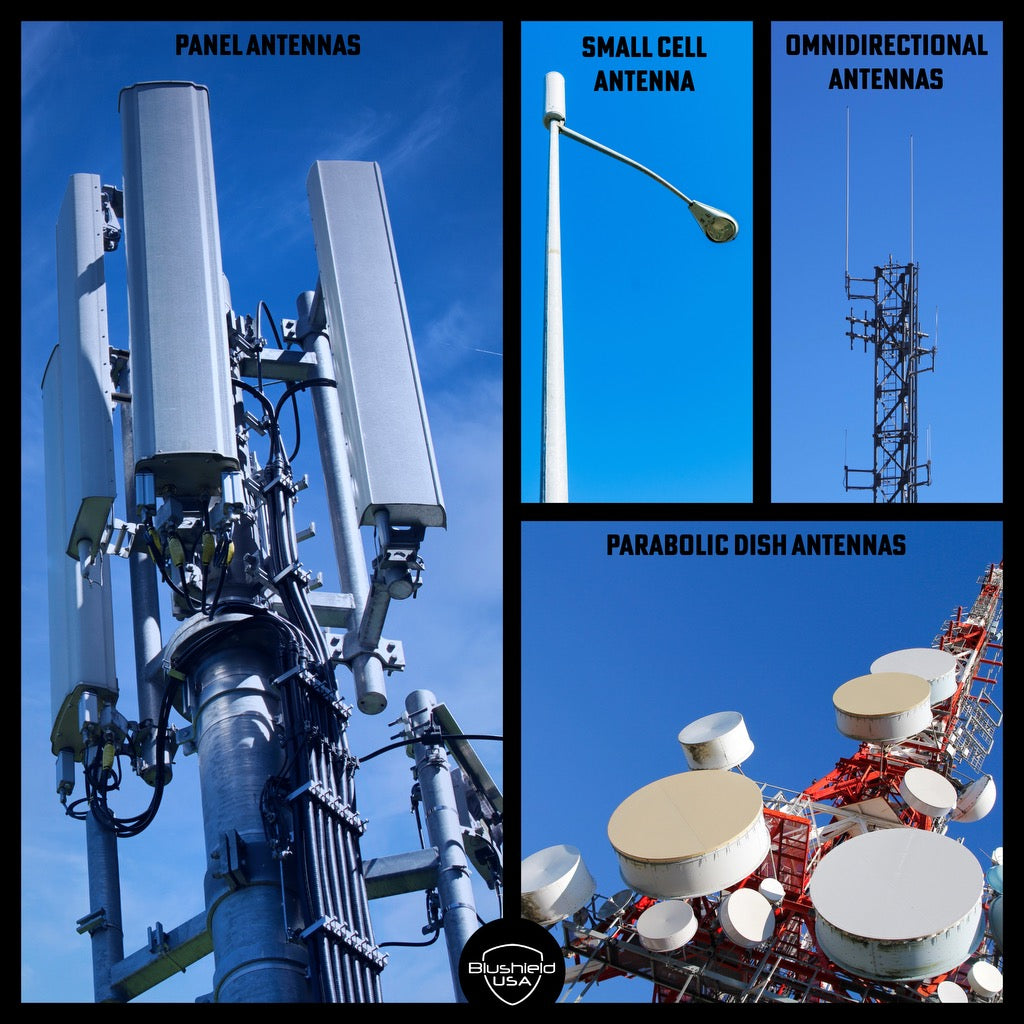
What are the different kinds of antennas?
The purpose of cell towers is to act as supportive infrastructure for the actual antennas that transmit the frequencies. Most types of antennas need to be placed on tower structures to give the antenna enough range to cover a large area. There are several different types of antennas you will see when you start looking more closely at the different types of cell towers described in this article.
One of the most common types of antennas used in 4G infrastructure are panel antennas. These appear as flat, white rectangles on monopole and lattice towers. They can be part of the way up the tower, all the way at the top, or more commonly both. Panel antennas transmit frequencies into certain sectors in the general direction they’re pointing, which is why you often see them installed on a triangular structure that surrounds the tower, with a few panel antennas on each of the three sides. This is so that there is antenna coverage in each sector within the zone of that tower, since each panel antenna can cover a section 120 degrees across, so with three sides there will be a full 360 degree coverage. They are most often found in urban and suburban locations, along highways and in densely populated regions.
Parabolic antennas, also called dish or circular antennas, are circular and concave like a dish. These are often located on monopole or lattice towers where panel antennas are also installed. Parabolic antennas are not involved in data transmission to and from mobile device users, but are used to transmit larger streams of data between nearby cell towers. The dish shape creates a focused beam in the direction it’s pointing. These antennas can be involved in the smaller percentage of backhaul that’s done wirelessly (most if it is ground based using fiber optic cables, as explained above), or other scenarios where a focused, high-gain, point-to-point signal is needed.
Omnidirectional antennas are thinner and less obvious, and often appear as metal rods in various formats. They are commonly seen at the top of tall guyed and lattice towers, and reach very long distances, which is useful in rural areas. Omnidirectional antennas can send and receive signals in all directions (360 degrees), hence their name. They provide broad coverage over a wide area.
As mentioned in the previous section, small cell antennas are not found on regular cell towers. Most often, they are installed on various urban infrastructure like street lights, traffic lights, buildings, and even on trees. 5G is completely reliant on small cells, and there need to be many of them placed close together to support the higher frequencies and larger bandwidth of 5G. They are designed to be as unobtrusive as possible, and may blend almost seamlessly into surrounding objects. They can be box-shaped, cylindrical, or even concealed within other objects, making them invisible to the eye. Small cell antenna housing contains multiple antennas arranged in an array, supporting the MIMO technology that’s central to 5G.
There are other types of antennas that are used in special, less common circumstances, but these are the main ones you will see and interact with in your environment.
Cultivating awareness of our EMF exposure
Part of becoming aware of the effects of electromagnetic fields on our bodies is learning more about the EMF sources all around us. Even those who are sensitive and reactive to EMF sources may not be educated enough to recognize a prominent source of harmful frequency fields in their environment. Being informed of our surroundings brings greater awareness and discernment into our lives, and while we cannot get away from these sources completely (and many of us don’t want to anyway), we can sensibly limit our exposure whenever possible.
This knowledge also makes it possible to ensure you are adequately protected by using an appropriate strength Blushield home device, which you can determine by factoring in your combined total of EMF exposure sources (detailed in our Blushield Product Guide). When you’re out and about, driving through the city or at the office, you may start noticing small cell equipment that you didn’t recognize before, and can make sure you’re carrying a Blushield portable with you in places that utilize small cell equipment.
focus, learning, emf, electromagnetic fields, radiation, 5g, 4g, lte, wireless, cell phone, base station, blushield, exposure, emf exposure, sar, frequency, cell towers, small cells, network core, small cell, lattice towers, panel antennas, rural areas, mobile network, fiber optic, network cores, guyed towers, higher frequencies, stealth towers, enhance coverage, transmission, infrastructure, large, reach, range, macrocells, urban, monopole, information, packet

It’s been over two years since a federal court case ruled that the FCC needs to reassess their outdated wireless radiation exposure guidelines. They have been tasked to set new limits based on modern exposure levels (which are exponentially higher than in 1996 when the old limits were set), as well as the increasing evidence of wireless radiation harm far below the levels that are shown to cause tissue heating. If they choose not to set new limits, they have been ordered to thoroughly explain their decision not to, backed by solid scientific evidence that current exposure levels are benign to humans and other living organisms.
Just in case they forgot about this imminent requirement to follow the law, they were reminded of their duty as a federal agency in April of this year, by a Petition to Implement the D.C. Circuit Judgment and Mandate to “perform tasks ordered by the court”. In the many weeks following, now 8 months later, there has still been no response. We have stated several times before that delay is their only viable tactic, because any other possible action on their part would inevitably incriminate them. The more time that passes with not a single word from the FCC, the more clearly we can see that they are hiding from accountability.
The FCC is not the only federal agency that is not doing its job. The FDA is responsible for actively and continually assessing the potential harm of wireless radiation on human health, per Public Law 90-602 that the United States Congress passed in 1968. Section 21, subsection 360ii of the United States Code requires the FDA to perform the following actions:
- Plan, conduct, coordinate and/or support research, development, training, and operational activities to minimize the emissions of, and the exposure of people to, unnecessary electronic product radiation.
- Study and evaluate emissions of, and conditions of exposure to, electronic product radiation and intense magnetic fields.
- Develop, test and evaluate the effectiveness of procedures and techniques for minimizing exposure to electronic product radiation.
With the rapid and unchecked proliferation of wireless radiation sources, increasing exponentially every year, the FDA has failed to actively assess exposure levels, develop techniques to reduce exposure, or warn the public about potential harm.
A formal Citizens’ Petition was filed in May 2023, by the non-profit organization Americans for Responsible Technology (ART) and other petitioners, demanding that they fulfill the clear requirements established for them by the U.S. Congress. ART reported that they finally received a response from the FDA last week. Their response essentially stated that after 6 months of deliberation, the FDA was unable to reach a decision about whether or not to perform their required duties.
More delay tactics.
The FDA’s refusal to continue studying wireless radiation dangers is unsurprising, considering the last time they attempted such a study (the National Toxicology Program study on the effects of wireless radiation on rats and mice) was a massive and shocking failure, which they had to sweep under the rug as quickly as possible. If the results of such a perfectly executed and thorough study were unacceptable to them, that says a lot about their underlying motives, and makes continuing to study the subject far too risky.
Local communities fight back
In the meantime, while we all wait for behemoth federal agencies to start caring about our health and well-being, 5G towers and antennas are being rapidly deployed all over the country. Local communities are feeling backed into a corner, and their only recourse has been to engage in time, money and energy-exhausting local battles, even with odds that are definitely not in their favor.
Amazingly, in some areas where community members have organized for a shared cause, there have been some recent wins, at least for now.
In Coeur D’Alene, Idaho, after learning of Verizon’s plans to install a 5G tower in a residential area, community members organized and fought back. Their website very clearly states that they aren’t against technological progress or new cell tower installations, just that they don’t want unsightly and dangerous towers placed right by their homes. This is not an extreme position, but a very reasonable perspective that most people would probably agree with, if they gave it some thought. They urged Verizon to reconsider the tower placement, and to choose an area further away from human habitation, such as an industrial area or commercial zone.
In October, the City received notice that Verizon had rescinded their tower application for the main site in question, at Shadduck Lane and 15th Street. The application is officially marked as “withdrawn”. If Verizon wanted to consider that same location in the future, they would have to reapply and start the whole process over again.
Another decision to limit the deployment of 5G antennas just happened in Stamford, Connecticut. The State of Connecticut drafted a template for local municipalities to use that outlines terms for the placement of 5G equipment on city-owned utility poles. The template would give considerable power to the telecoms to determine antenna placement location, and the city would only have control over the size and appearance of the equipment.
21 Stamford city representatives rejected the state’s template application. This number represented a clear majority, who were persuaded by research presented that implicated 5G in various health risks, including brain damage, headaches, memory loss, reproductive organ and nervous system damage, DNA damage, as well as harm to trees, birds, insects and wildlife.
City attorneys urged representatives to accept the template, fearing a lawsuit if it’s rejected. Federal law states that local governments cannot legislate against wireless radiation on the grounds of health risks.
Several city representatives were appalled that fear of lawsuits should factor into their decision making process when it comes to potential health risks for local residents.
“The threat of whether we’re going to be sued is not a winning argument when a potential health concern is involved,” City Rep. Sean Boeger said. “We can’t frame our decisions off that.”
Former Stamford resident Joseph Sandri also spoke up, pointing out that the standing court ruling demanding the FCC update its wireless exposure guidelines should give the city more power to say no to new cell antennas, even on the grounds of potential health effects.
“The FCC rules are now under remand in federal court, and the FCC still has not explained why the rules have not been updated,” Sandri told the board. “The city has the right to independently monitor wireless networks for compliance with the FCC’s ancient exposure rules, so the city should be given the opportunity to object” to telecom applications to place 5G antenna on publicly owned utility poles.
Birds are being harmed and killed by wireless radiation
In related news, there have been increasing numbers of reports of unusual numbers of dead birds in the vicinity of 5G towers, and even on top of the towers themselves. People in neighborhoods where cell towers were installed nearby have reported a sudden decrease in the bird population in their area. These reports are coming in from all over the world. This was occurring long before 5G was rolled out, but has ramped up exponentially since then.
Arthur Firstenburg, President of Cellular Phone Task Force and the author of The Invisible Rainbow: A History of Electricity and Life, recently reported on an incident from 2019 relating to an endangered bird species in Hawaii being harmed and killed by wireless radiation.
The kiwikiu are a critically endangered bird species that live exclusively on the island of Maui. Less than 150 birds remain, and they are tiny, weighing less than one ounce each. They are considered to be an intelligent and long-lived species, so naturally, conservationists want to do whatever they can to protect and regenerate their numbers. Although they had good intentions, the Maui Forest Bird Recovery Project made the mistake of placing very high frequency (VHF) radio transmitters onto harnesses on the legs of 10 kiwikiu, intending to observe their habits and activities.
This well-intended yet ill-informed decision ended very badly. Less than 3 weeks after the birds were released into the wild, with their radio transmitters attached, all were dead – except for the 3 birds that had managed to remove their own transmitters early on.
Several of the birds who failed to remove their transmitters, although previously known to be strong and healthy, became suddenly lifeless and still, dying soon afterward. One bird ferociously attacked her transmitter, biting it apart and removing it. Later that day, the staff put another transmitter on her, after which she gave up, stopped eating and became lethargic. She was found dead two days later. Another bird managed to disable his transmitter on the first day, and to remove his harness completely a month later. He was observed again, perfectly healthy, 632 days later! That’s almost two years afterward, in line with the kiwikiu’s naturally long lifespan. Getting sick and dying suddenly just doesn’t happen with this species.
Since the transmitters allowed the birds to be tracked, this ended up being an unintentionally close-up look at how immediately and badly small life forms are affected by the strong and unnatural manmade electromagnetic fields that we are all exposed to daily. They are truly the “canaries in the coal mine” of wireless radiation.
Human rights of children in the digital age
Within the range of living organisms, birds are on the smaller and more delicate side, and we are noticing their vulnerability to wireless radiation harms at an accelerated pace, compared to larger and hardier organisms. As far as humans are concerned, our children are our own “canaries”. They are considerably smaller, and still within the vulnerable stage of development, with softer skulls and bones, and actively developing brains and nervous systems. Since they are mentally and emotionally immature, they are also less able to regulate and control their interaction with addictive stimulus, and are also much more vulnerable to the harmful effects of such stimulus.
The ubiquitous presence of wireless radiation sources is bombarding the formative years of today’s children. The current generation of children is dealing with a serious challenge never before experienced by humanity. We need to think deeply and act wisely regarding the interconnected issues of both wireless radiation’s effects on children’s health, as well as the addictive element inherent to screens, the digital world, and how that in itself is affecting their brain development and ability to function.
Thousands of medical, scientific and legal professionals around the world have created The International Declaration on the Rights of Children in the Digital Age. It is designed to bring awareness and accountability to the governments of the world, educating them on their responsibility to ensure the health and well-being of the humans that will become all of our future.
The Declaration addresses three separate and interconnected concerns: screen time addiction (and its well-documented harmful effects), involuntary exposure to non-ionizing radiation, and commercial exploitation (the harvesting and monetization of private personal information).
It then outlines several principles that can be implemented by governments to create a healthier environment for our growing children. These include creating research-backed guidelines for safe exposure levels to non-ionizing radiation sources, incentivizing engineering solutions to reduce exposure and protect health, including more vulnerable populations like children and pregnant women. It urges school administrators to create safe learning environments with minimal exposure to non-ionizing radiation, as well as educating physicians and health care providers on behavioral and physical problems associated with screen time and non-ionizing radiation harm. It also encourages broad public education campaigns on the unique health risks to children of constant exposure to addictive and harmful platforms and potentially dangerous levels of radiation, so that parents have the option of informed consent regarding the presence of these influences in the lives of their children.
The burden of proof of safety must shift to the manufacturers and purveyors of non-ionizing radiation emitting devices.
This Petition is available for anyone to sign and share. You can read the full document here:
The International Declaration on the Rights of Children in the Digital Age
As parents, it’s easy to get swept up in the trends of our time, as our own busy lives tempt us to turn our kids over to electronics as a convenient babysitter. Although most of us want our children to have technological skills, since we can’t deny it’s big part of our modern world, we need to find ways to keep it in balance with hands-on learning activities, close interaction with caregivers, and frequent exposure to the natural world. This may feel like a juggling act, and sometimes even an uphill battle, but if we work together towards increasing education and awareness, it may soon be easier for our children to have the wholesome childhood they deserve.
References:
- Americans for Responsible Technology: FDA – https://www.americansforresponsibletech.org/fda
- Americans for Responsible Technology: “CITIZEN PETITION AND REQUEST FOR LEGAL COMPLIANCE” – https://www.americansforresponsibletech.org/_files/ugd/2cea04_e1e8715fdb41466caaf767e16c16522f.pdf
- Stop the Tower CDA – https://stopthetowercda.com
- CT Examiner: “Stamford Rejects Deal Allowing 5G on City-Owned Utility Poles” – https://ctexaminer.com/2023/11/09/stamford-rejects-deal-allowing-5g-on-city-owned-utility-polls/
- Cellular Phone Task Force: “Don’t Irradiate the Birds” – https://cellphonetaskforce.org/dont-irradiate-the-birds/
- The International Declaration on the Human Rights of Children in the Digital Age – https://www.thechildrensdeclaration.org
headache, memory, memory loss, learning, dna damage, cellular, nervous system, behavior, emf, emfs, electromagnetic fields, non-ionizing, cell tower, exposure, children, kids, school, baby, sar, frequency, health effects, non-ionizing radiation, exposure levels, health risks, radiation sources, utility poles, potential health, international declaration, federal, world, court, decision, study, effects, towers, transmitters, digital, limits, petition, responsible, states, antennas, stamford, template, species, rights, guidelines

I had the great privilege to interview Dr. Chris D'Adamo shortly after we submitted our clinical trial manuscript to a PubMed indexed medical journal.Dr. Chris D’Adamo is an epidemiologist with expertise in the synergistic effects of healthy lifestyle practices on human health and wellness. He received his Ph.D. in Epidemiology from the University of Maryland School of Medicine and is currently an Assistant Professor with dual appointments in the Center for Integrative Medicine within the Department of Family & Community Medicine as well as in the Department of Epidemiology & Public Health. Dr. D’Adamo serves as the Director of the Center for Integrative Medicine and also holds adjunct faculty position in the Gerontology Doctoral Program of the University of Maryland.Dr. D’Adamo has served as Principal Investigator on a wide variety of observational and interventional studies of nutrition and other healthy lifestyle modalities.Chris is also an all around great human being that has a genuine passion for helping people be as healthy as possible.In this interview, we discuss the statistically significant data regarding the voltage-gated calcium channel gene expression, as well as improvements in composite memory, cognitive flexibility, executive function, and processing speed. Heart rate variability, blood glucose, NK cells and deep sleep also all improved with use of Blushield technology! Learn more about our study results here.
memory, cognitive, heart rate, calcium, calcium channel, school, medicine, healthy
Expert guidance,
tailored solution

Why coherence matters more than signal strength: EMF, your cells, and what the science says
The impact of electromagnetic fields on the body isn't determined by strength alone it comes down to signal structure. Natural fields from the earth, including solar radiation, geomagnetic energy, and the Schumann resonance, provide coherent, structured signals that the body is designed to interface with. Modern technology introduces incoherent noise that can improperly stimulate voltage-gated calcium and potassium channels, leading to oxidative stress and cellular dysfunction. In this video, Brandon Amalani of Blushield breaks down the science behind EMF and biology and why supporting coherence, rather than simply avoiding exposure, is the key to cellular health.

It's not EMF itself, it's the kind of signal your body is absorbing
EMFs aren't inherently harmful, in fact, your body relies on electromagnetic signals to function. The real problem isn't that EMFs exist, but the specific nature of the signals we're now exposed to. Technologies like Wi-Fi routers, cell phones, and cell towers surround us with incoherent, chaotic noise at a cellular level. This constant bombardment drives internal disregulation in the cellular environment, quietly disrupting how the body is meant to work.

From the first spark of life: why your biology is electromagnetic from the very beginning
Human biology relies on clean electrical gradients to maintain proper signalling at the cellular and mitochondrial level. This foundation is there from the start: the brain and nervous system are the first structures to develop after conception, and the most voltage-dependent in the body. Conception itself is marked by a photonic flash, a burst of light showing that life is electromagnetic from its earliest moment, which is why protecting your health in today's non-native electromagnetic environment matters so much.
Client Experiences Success Stories
Real stories from people experiencing calmer homes, better sleep, improved wellbeing, and greater peace of mind with Blushield technology.






.webp)

Advanced Protection for
Healthier Connected Living
Advanced EMF protection for modern living. Blushield’s home and portable devices use nature-inspired frequencies to support balance, without disrupting connectivity. Find the right solution for your lifestyle, at home or on the go.

Product updates
Practical tips for low-EMF living
New releases
Exclusive promotions
Frequently asked questions
Invisible forces are part of modern life, but their impact doesn’t have to define you. Blushield works quietly in the background, supporting a more stable, balanced internal state so you can focus, rest, and perform at your best.
It doesn't block or shield EMF. Instead, Blushield is designed to support the body's natural response to everyday electromagnetic exposure. By focusing on biological support rather than altering environmental signals, it takes a different approach to EMF protection.
Plug-in units (Premium, Ultimate, Phi) cover your home. Portables cover you when you leave it. Most people start with one of each: a plug-in for the house and a portable for travel, work, and the car. If you're not sure, use our Find Your Device tool or message us.
30-day limited money-back guarantee on every device (restocking fee applies - see our full return policy). Stationary and portable units carry a 1-year warranty. If anything extends past that, contact us.
Yes. EMF meters measure intensity, not biological impact. Even low-level exposure from Wi-Fi, Bluetooth, smart meters, cell towers, and nearby homes accumulates 24/7. Blushield works on the body's response, so it helps regardless of what a meter reads.
Some people feel calmer or sleep better within the first night. For others it's a few weeks of gradual change - better focus, deeper sleep, and less fatigue. A small number notice a short adjustment period as the body recalibrates. Everyone responds differently, so give it time to become part of your daily environment and let the benefits build naturally.
Yes. Blushield is built on decades of research into how the body responds to coherent vs. incoherent electromagnetic signals. We have independent studies, HRV data, and live-blood analyses on our Science page. We don't make medical claims. We point you to the data and let you decide.