.svg)














.png)
.png)




























.png)


.jpg)


.svg)
-cropped%20(1).svg)
.svg)
New Hampshire Legislative Commission Warns of RF Radiation Dangers
Article by
Brandon Amalani
January 8, 2021


.webp)

In November 2020, New Hampshire became the first of the 50 United States to publish a comprehensive assessment and recommendation guide regarding the dangers of 5G and radiofrequency (RF) radiation, through a legislative Commission that was created following the passage of their House Bill 522 in 2019.
H.B. 522, titled “Establishing a commission to study the environmental and health effects of evolving 5G technology”, was introduced by Representative Patrick Abrami, who is an engineer, and passed easily in the House and Senate in 2019.
Abrami explained his thought process for introducing this bill and why he believes it’s important:
“The concern is radio frequency (RF) radiation. This with the vision of the Internet of Things; everything electronic being connected to each other via RF means there will be a soup of RF waves all around us. There are 1,000′s of peer-reviewed papers reporting on health and environmental problems. In the House hearing I brought in the former president of Microsoft Canada, a professor of toxicology, and an expert on the push back by municipalities throughout the country as well as others. The skeptical Science and Technology Committee had the same wow moment I did months ago. This bill, designed to establish a road map for N.H. on this topic, passed on the House floor without debate.”
This landmark bill and subsequent Commission not only established a road map for the State of New Hampshire, but could easily become a template for every other state with similar concerns to make significant progress in public awareness of the dangers of RF radiation, as well as establishing widespread safety precautions to protect public health.
Mounting Evidence of DNA Damage From Non-Ionizing Radiation
On November 1st, the Final Report of the Commission to Study the Environmental and Health Effects of Evolving 5G Technology was released. The Commission, whose members have backgrounds in physics, electromagnetic engineering, epidemiology, occupational health, toxicology, medicine, public health policy, business and law, after comprehensively researching the topic for almost a year, agreed in majority that RF radiation is harmful to human health and the environment.
The two exceptions to this nearly unanimous consensus were a wireless industry representative and a telecommunications rep, whose combined opinion was included in a minority report within the Final Report, repeating the standard narrative on the topic that telecom industry reps and the FCC have been parroting for years, which has consistently been downplaying or completely ignoring a mountain of evidence to the contrary. (In related news, this repetitive and dangerously dismissive message from industry and the FCC who supposedly regulates industry has recently been challenged in a large scale lawsuit by the Children’s Health Defense and Environmental Health Trust that is currently in process.)
The Introduction of the Final Report states, “There is mounting evidence that DNA damage can occur from radiation outside of the ionizing part of the spectrum.” Commission members were tasked to answer 8 questions, to assess this topic from every possible angle. The research and study engaged in to answer these questions was lengthy, and supported by considerable evidence and citations within the Final Report.
- The insurance industry considers wireless radiation as high risk, and refuses to cover damages by the pathological properties of RF radiation. Why?
- Why do cell phone manufacturers state in the legal section within their devices to keep the phone further than 5mm from the body, even though the phone’s radiation emission is supposedly within the “SAR safety limits” when “used normally”?
- Why have thousands of peer-reviewed studies, including the U.S. National Toxicology Program 16-year $30 million study, that are showing a wide range of statistically significant DNA damage, brain and heart tumors, infertility, and so many other ailments, been ignored by the Federal Communication Commission (FCC)?
- Why are the FCC-sanctioned guidelines for public exposure to wireless radiation based only on the thermal effect on the temperature of the skin and do not account for the non-thermal, non-ionizing, biological effects of wireless radiation?
- Why are the FCC radiofrequency exposure limits set for the United States 100 times higher than countries like Russia, China, Italy, Switzerland, and most of Eastern Europe?
- Why did the World Health Organization (WHO) signify that wireless radiation is a Group B Possibly Carcinogenic to Humans category, and why are some experts who sat on the WHO committee in 2011 now calling for it to be placed in Group 1 (“known carcinogens”), and why is such information being ignored by the FCC?
- Why have more than 220 of the world’s leading scientists signed an appeal to the WHO and the United Nations to protect public health from wireless radiation, and nothing has been done?
- Why have the cumulative biological damaging effects of ever-growing numbers of pulse signals riding on the electromagnetic sine waves not been explored, especially as the world embraces the Internet of Things, meaning all devices being connected by electromagnetic waves, and the exploration of the number of such pulse signals that will be created by implementation of 5G technology?
After reviewing countless study reports, hearing from experts on both sides of the argument about RF radiation safety, and trying to get answers directly from the FCC and other government agencies (with no luck), they were not able to sufficiently answer all eight of their study questions.
What they did take note of are several ongoing lawsuits against the FCC regarding their failure to update health based limits for wireless radiation exposure, and the fact that the World Health Organization and insurance companies are hedging their bets against RF radiation due to potential harm. They became aware of the mountain of research that has already been done that shows the harm of RF radiation, and specifically the pulsed and modulated aspect of these radiation sources which are increasing as the data transmission rate increases. The current situation is far different than when their “health safety limits” were established in 1996, as many different sources of radiation are stacking and overlapping, all piling their separate pulsations on top of the other, creating a “soup” of radiation that is completely new to humanity, and very experimental.
All of that duly noted, they conclude that the precautionary principle needs to be applied. They feel that it is prudent to approach this subject as if these new levels and forms of radiation are extremely harmful to living organisms, because it’s better to be safe than sorry, and the evidence so far is strongly pointing in that direction.
15 Recommendations To Increase Awareness & Protect the Public
After one year of meetings with study sessions and educational talks by experts on the topic, the Commission formulated 15 recommendations to shape future policy for the State of New Hampshire. Their objective with these recommendations is to bring greater awareness of cell phone, wireless and 5G radiation health effects, and to provide guidance to officials on steps and policies that can reduce public exposure. The 15 recommendations are all considered to be of equal importance.
1.Propose a resolution to US Congress to require the FCC to commission an independent review of the current radiofrequency (RF) standards of the 300Mhz to 300Ghz microwave spectrum, as well as a health study. Research should be conducted by independent organizations, and focused on establishing safe exposure guidelines that include non-thermal exposure effects, ways to reduce human exposure, as well as optimizing the devices themselves to be less harmful to human health.
2. Require various State of New Hampshire websites to contain links with information on the dangers of RF radiation, and specifically of the 5G small cells installed in public rights-of-way, and showing proper use of cell phones to reduce exposure to RF radiation. Also, public service announcements on radio, television, print media and the internet should periodically appear, warning of the health risks associated with non-ionizing radiation exposure. Warnings concerning babies, young children and pregnant women are of special importance.
3. Require that every pole and other structure in the public right-of-way that holds a 5G antenna be labeled indicating that RF radiation is being emitted above, and to keep a safe distance. This label should be visible at eye level from at least 9 feet away.
4. Schools and public libraries should move away from wireless connections and towards hard wired fiber optic or copper connections for internet. Their stated is goal is to achieve this within 5 years as funding becomes available, acknowledging that schools and libraries have already invested a lot of money into the wireless systems they use currently. They deem this additional investment of resources to be extremely worthwhile, as children and teenagers are far more vulnerable to the harms of RF radiation than adults, as their skulls are thinner and they are still in the sensitive developmental window where external forces can permanently influence their growth in a positive or negative direction.
5. All RF radiation facilities and base stations should be measured for their radiation output, to ensure they are in compliance with the FCC’s current guidelines on safe levels. There have been many cases where a facility has been found to exceed the safety guidelines, threatening the health of humans and animals in the vicinity. Measurements should be done periodically, such as anytime changes are made to the system, and this data should be consistently available to the public on a website. Measurements should be done by an independent contractor, and paid for by the site installer.
6. Establish new protocols for measuring radiation output, taking into account additional nuances of radiation’s health effects, beyond simply measuring frequency, amplitude or heating effects. Of particular importance is the impulsive nature of high-data-rate radiation, which we are increasingly faced with as we move towards faster speeds. This faster pulsation rate has been shown to be especially harmful to living organisms, and there needs to be ways to measure and account for this factor.
7. Require any new wireless antenna located on public right-of-way or on private property to be set back from residences, businesses and schools. This should be enforceable by the municipality during the permitting process, unless the owners of residences, businesses, or school districts waive this restriction.
8. Upgrade the educational offerings for licensure and certification of home inspectors to include RF intensity measurements. Home inspectors are private contractors who can be hired by citizens or businesses to look for hazards such as radon, mold, insect damage and test water quality, prior to renting or buying a home or office space. Being able to detect high levels of non-ionizing radiation in a building would add value to their services, especially as awareness of RF dangers increase and the incidence of electromagnetic illness in susceptible individuals increases (as RF radiation itself increases).
9. The State of New Hampshire should begin to measure RF intensities within different frequency ranges all throughout the state, to develop and refine a continually updated map of RF exposure levels across the state. This information can then be used by RF sensitive individuals (or anyone who just doesn’t want excessive exposure) so they can choose to live and travel mainly in low-RF and RF “dead zones”.
10. Strongly recommend all new cell phones and all other wireless devices sold come equipped with updated software that can stop the phone from radiating when positioned against the body. Cell phones contain proximity sensors that enable them to shut off radiation output when they detect an obstacle, which just requires the installation of software that can utilize this built-in feature. These software upgrades should be known about and available to all cell phone users, and can be easily turned on and off for different purposes. Phones, laptops and tablets that are marketed specifically to children should have this radiation sensor setting turned on, in all circumstances.
11. Adopt and promote a statewide position encouraging the deployment of fiber optic and internal wired connections to serve all commercial and public properties statewide.“The majority of the Commission believes that fiber optic transmission is the infrastructure of the future. When compared, RF wireless transmission lacks fiber optic characteristics: speed, security, and signal reliability while avoiding biological effects on humans and the environment.”
The last three recommendations deal with increasing education and awareness of the clinical symptoms of electromagnetic illness within the medical and health care industry, posting RF exposure warning signs in all commercial and public buildings, establishing RF-free “safe zones” where employees and visitors can seek refuge from RF exposure, and developing RF radiation safety limits that will protect trees, plants, birds, insects and pollinators.
Conclusion
Overall, this report is a leading example by one state of what can be done in all states, if we can raise enough awareness. Please consider sharing this with influencers and policy makers in your local area, so we can move towards making changes that will protect the health of people and nature, as 5G is starting to proliferate unchecked and only has the interests of its bottom line and faster speeds in mind. As we work towards increasing humanity’s awareness of RF dangers and fighting the long, slow battle of changing policy, we strongly recommend investing in a Blushield to keep your family healthy and protected in the meantime.
References:
Final Report of the Commission to Study the Environmental and Health Effects of Evolving 5G Technology – http://emfsafetynetwork.org/wp-content/uploads/2020/11/NH-State-5G-final-report-2020.pdf
Daily Breaking features Cece Doucette, the Director at Massachusetts for Safe Technology (video interview) – https://www.wccatv.com/video/daily-breaking/dailybreaking-116
Commission Meeting Minutes – http://www.gencourt.state.nh.us/statstudcomm/committees/1474/minutes.html
This post copyright ©2020–2026 Blushield USA. All rights reserved.
Unauthorized use and/or duplication of this material without express and written permission is strictly prohibited.
Explore more Articles
The Science of Stability: Why Powered EMF Protection Outperforms Passive Devices
In our increasingly hyper-connected world, the conversation around Electromagnetic Fields (EMF) has shifted from "if" we should protect ourselves to "how" we should do it. As we surround ourselves with 5G towers, Wi-Fi routers, and smart appliances, the market has been flooded with solutions ranging from stickers and crystals to sophisticated electronic resonators.
However, not all protection is created equal. To understand why some methods fail where others succeed, we have to look at the physics of signal dominance and the biological need for a coherent reference.
The Passive Problem: The Limitation of "No Power"
Passive EMF protection products such as shungite, specialized stickers, or unpowered pendants operate on the principle of attenuation or local field alteration. While these materials may have unique molecular structures that interact with frequencies, they face a fundamental "physics wall": they lack an internal energy source.
Without power, a device is purely reactive. It cannot create a signal; it can only respond to the signals already present in the room. This leads to three critical failures in a modern environment:
01. Lack of Signal Dominance
For the body to prioritize a "healing" or "balancing" frequency over the chaotic noise of a Wi-Fi router, that frequency must be dominant. Passive devices are essentially "whispering" in a room where the EMF environment is "shouting." Because they cannot project a field, their influence is limited to the near field usually just a few millimeters or inches from the object.
02. The Trap of Ambient Fluctuations
Passive devices are at the mercy of their environment. If the ambient EMF levels spike (like when you take a call or download a large file), the passive device has no way to scale its interaction. It cannot maintain a structured reference signal because it is constantly being "pushed around" by the very frequencies it is meant to harmonize.
03. No Timing or Pulse Control
Biological systems are highly sensitive to rhythm and timing. Active EMF protection often uses specific pulse-width modulation to mimic natural Earth frequencies (like the Schumann Resonance). Passive devices have no "heartbeat"; they lack the circuitry required for timing control, meaning they cannot provide the rhythmic consistency the body needs to stay grounded.
The Active Advantage: Establishing a Coherent Reference
Powered, dynamic signaling systems represent a different paradigm of protection. Instead of trying to block or absorb radiation which is nearly impossible in a modern home these devices focus on Active Resonance.
Building a "Safety Bubble"
A powered device uses a dedicated power source to emit a consistent, coherent, and structured electromagnetic field. Because this signal is generated internally, it is not dependent on the noise of the room. It creates a stable "reference point" that remains constant regardless of how many devices are active in the house.
Conclusion: Why Power Matters
In the quest for wellness in a high-tech world, we must choose tools that match the scale of the challenge. Passive materials certainly have their place in history and personal practice, but they lack the "active voice" required to compete with the high-output infrastructure of modern telecommunications.
If the goal is to create a true sanctuary a space where biology can rest independent of the changing electromagnetic tide a powered, dynamic system is not just an upgrade; it is a necessity. By establishing a dominant, coherent reference signal, we provide our bodies with the stability they need to thrive in the digital noise.
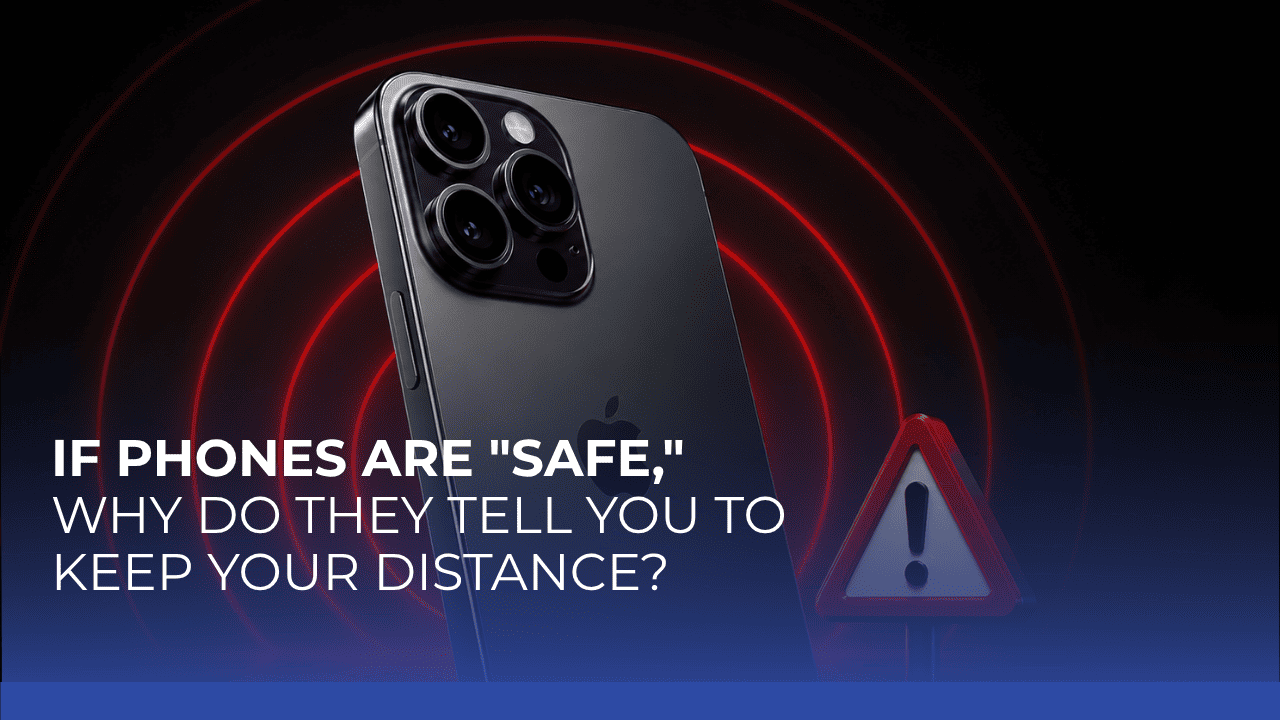
Did you know that your smart phone settings include a section that advises usage habits to reduce RF (radiofrequency) exposure?
This advice is included even though all smart phones proclaim that they are in compliance with the government’s SAR (Specific Absorption Rate) safety limits.
If the radiation emitted by cell phones was truly safe, why would they bother to tell you ways to reduce radiation exposure? Could it be because the SAR limits are outdated, and only address thermal (heating) effects of non-ionizing radiation exposure, and ignore the mounting evidence of harm from non-thermal mechanisms?
Let’s dive into this revealing topic that most people are unaware of, even though the majority of us are smart phone users.
You can check your own smart phone now. If you have an iPhone, just go into the Settings, then click General, and there should be a section called Legal and Regulatory. If you click that, and scroll all the way down, there should be a section titled RF Exposure. This may look slightly different on Android phones (like Samsung and Google Pixel), but you will find something similar if you investigate.
This section should display the results of the SAR test for your phone model, which of course will be within the “safe limits” for radiofrequency radiation exposure. If you have an iPhone, you may see something like this:
"To reduce exposure to RF energy, use a hands-free option, such as the built-in speakerphone, headphones or other similar accessories. Cases with metal parts may change the RF performance of the device, including its compliance with RF exposure guidelines, in a manner that has not been tested or certified."
Why advise reducing exposure, if the exposure level is already safe?
A Google Pixel phone we looked at, which tested at well within the SAR safety limits, even included this statement: “Keep the device away from your body to meet the distance requirement.”
What distance requirement? The SAR tests state that when the phone is placed directly against the head, or within 5mm of the torso of the body (to simulate the phone being in a pocket with a thin layer of clothing in between the phone and your skin), that you are “safe”, according to standard tests.
The Samsung S21 smart phone fine print informs that their SAR distance for safety is 15 millimeters, which is equivalent to more than half an inch. Most people place their cell phones directly against their head when making calls, as they have never been informed to do otherwise. If a Samsung S21 phone user is making calls in this way habitually, the company’s own recommendation implies that the user may be exposed to unsafe levels of RF radiation on a regular basis. Yet, this is not widespread knowledge, and is only in the fine print that most people don’t know exists!
Samsung also states, “Specific Absorption Rate (SAR) certification establishes a minimum recommended distance from a person’s body for safe operation of RF-emitting devices. Body-worn operations are restricted to belt-clips, holsters or similar accessories that have no metallic component in the assembly and must provide at least 1.5 cm (3/4 in.) separation between the device and the user's body.”
Did you ever hear any of this from a cell phone TV commercial or online advertisement? We certainly haven’t.
Pharmaceutical drugs are legally required to list their “fine print” of potential side effects, even on TV commercials. Why aren’t cell phone companies required to at least give you a brief warning about RF radiation exposure before you purchase their products, and suggest ways to reduce exposure?
It’s also important to note that having Wifi and Bluetooth enabled on your smart phone will significantly increase the RF radiation output of the device. Many people keep both of these turned on continuously or at least periodically, and do not consider the additional radiation exposure they may be getting, which may often be higher than the SAR safety limits.
The Specific Absorption Rate (SAR) limits are too high, and not healthy
Cell phone companies and the FCC seem to enjoy splitting hairs about the details of the SAR limits, and are quick to point out that the SAR test scores that phones list are at their maximum radiation output, implying that most usage is going to fall at far lower levels than the output listed on the test results.
If we’re going to argue at this level, it’s good to know that many phones may not actually be compliant at all, according to independent tests performed in 2019. If the cell phone company itself performs the tests, and the results can’t be replicated independently, then can we trust them in the first place?
However, let’s move past this type of nitpicking for now, and talk about why the SAR limits are inherently flawed and dangerous in the first place.
As stated earlier, the Specific Absorption Rate is only testing the thermal effects of cell phone radiation, meaning how much it heats localized tissue. That is the only mechanism of harm that the telecoms and FCC are willing to admit to. For a minute, let’s pretend that this is the only mechanism of harm. Even if that were true, there are significant flaws with the SAR safety limits.
The SAR safety limit was originally set in 1996 – 30 years ago. They modeled the body proportions of Army personnel, who are generally large, fully grown men, often around 6 feet tall and 200 pounds. This model does not come close to representing smaller and more developmentally vulnerable populations like children, teenagers and pregnant women. Grown men are generally the most resilient category of humans to toxic exposures of all types, whereas babies, children and developing embryos and fetuses are the most fragile. Babies and children have smaller heads, thinner skulls and rapidly developing brains that are highly vulnerable to harmful environmental influences, including wireless radiation.
The SAR rate that was set in 1996 has not been updated at all over the past 30 years, even as new cell phone technology and usage habits have evolved seemingly at light speed. The maximum distance that a phone could be tested at to achieve compliance was up to 25 millimeters, which is much further from the body than where today’s phone users keep their phones. The 25mm distance was set because in the ‘90s, people often carried their flip phones on belt clips, which were about an inch away from their body. Almost no one uses belt clips anymore, and most often, the phone is carried in a regular pocket, which is generally only 2mm away from body tissue, especially vulnerable reproductive organs like the ovaries and prostate. Guidelines have not been updated to reflect changing habits of users, nor have users been adequately warned of the potential harm of keeping their phone that close to the body.
There is also no consideration for long term exposure. Regulations are set based on immediate effects, with no thought for the many decades of consistent cell phone and other wireless radiation exposure that most modern people, especially young people, will experience in their lifetimes.
Regulations also do not acknowledge the fact that people generally no longer carry just one wireless device with them, but use multiple RF emitting devices regularly: cell phones, tablets, Bluetooth speakers and headphones, vehicle GPS devices that connect to Bluetooth, smart devices that connect to your smart phone, and much more. All of these sources multiply our RF exposure to levels that are currently unknown, and unacknowledged by official government and telecom industry sources.
We are stuck with the ancient 1996 SAR guidelines, which were created in a vastly different technological world than the one we live in today.
Thermal effects are not the only concern with wireless radiation
Lastly and most importantly, the SAR safety standards are based on the (proven erroneous) assumption that the thermal effect is the only way that cell phones can cause harm.
In the early 2000s, the National Toxicology Program, an arm of the U.S. Government’s National Institutes of Health, performed the largest, longest study on the health effects of cell phone radiation that had ever been done up to that point. Their stated intention for the study was to find out whether there were non-thermal health risks to cell phone use, since the only safety guidelines that existed at that point were the SAR safety limits, which were only based on thermal exposure risks.
This is an entire story in itself, but suffice to say that considerable harm related to cancer and DNA damage were found – results that were surprising to everyone involved in the study. After a brief period where a peer review panel of experts declared that the study was well performed and showed clear evidence of cancer and DNA damage, the government agencies involved subsequently pivoted in their opinion and decided that the study was NOT relevant to human exposure. If you haven’t yet read this whole story, you will want to, as it shows beyond any doubt how egregiously biased the United States government is towards siding with the telecom industry.
$30M National Toxicology Program Study Shows Cell Phone Radiation is Carcinogenic (full story)
The most important thing to realize is that science shows that non-ionizing radiofrequency radiation, at below-thermal levels, can be harmful to health. Whether or not a mechanism has been definitively recognized that accounts for this non-thermal harm, the harm itself has been documented in hundreds to thousands of studies, many of which you can read about here.
If you’re interested in purported mechanisms of non-thermal harm, the most probable theory at this time involves the voltage-gated ion channels of the body, and how external electrical signals trigger these highly sensitive voltage-mediated channels to flood various minerals (especially calcium) into the cells, triggering a cascade of unintended and unwanted effects. This mechanism has been extensively studied by Dr. Martin Pall, and has been discussed in at least a dozen of our other articles.
Don’t fall into the trap of blind trust – protect yourself
Ignorance of the truth won’t protect you. It is the fault of the government and telecom companies that it isn’t common knowledge that your daily wireless device usage may cause health issues over time. However, it is your responsibility to educate yourself, and to protect yourself as well as you can. Most people are not going to give up their cell phones entirely, but there are things you can do to significantly reduce your exposure:
- Never carry your cell phone in your pocket, or anywhere against your body, unless it’s turned off, or set to airplane mode.
- Never sleep with your cell phone near you, unless on airplane mode with Bluetooth and Wifi disabled, and even then be sure it’s at least a few feet away – definitely not under your pillow or near your head.
- Never hold your phone up to your head when you talk. Instead, use speaker phone or an AirTube headset (which has a tube of air instead of wires all the way to your ears) to make calls.
- Limit your children’s cell phone and tablet exposure, and be cautious during pregnancy and around babies.
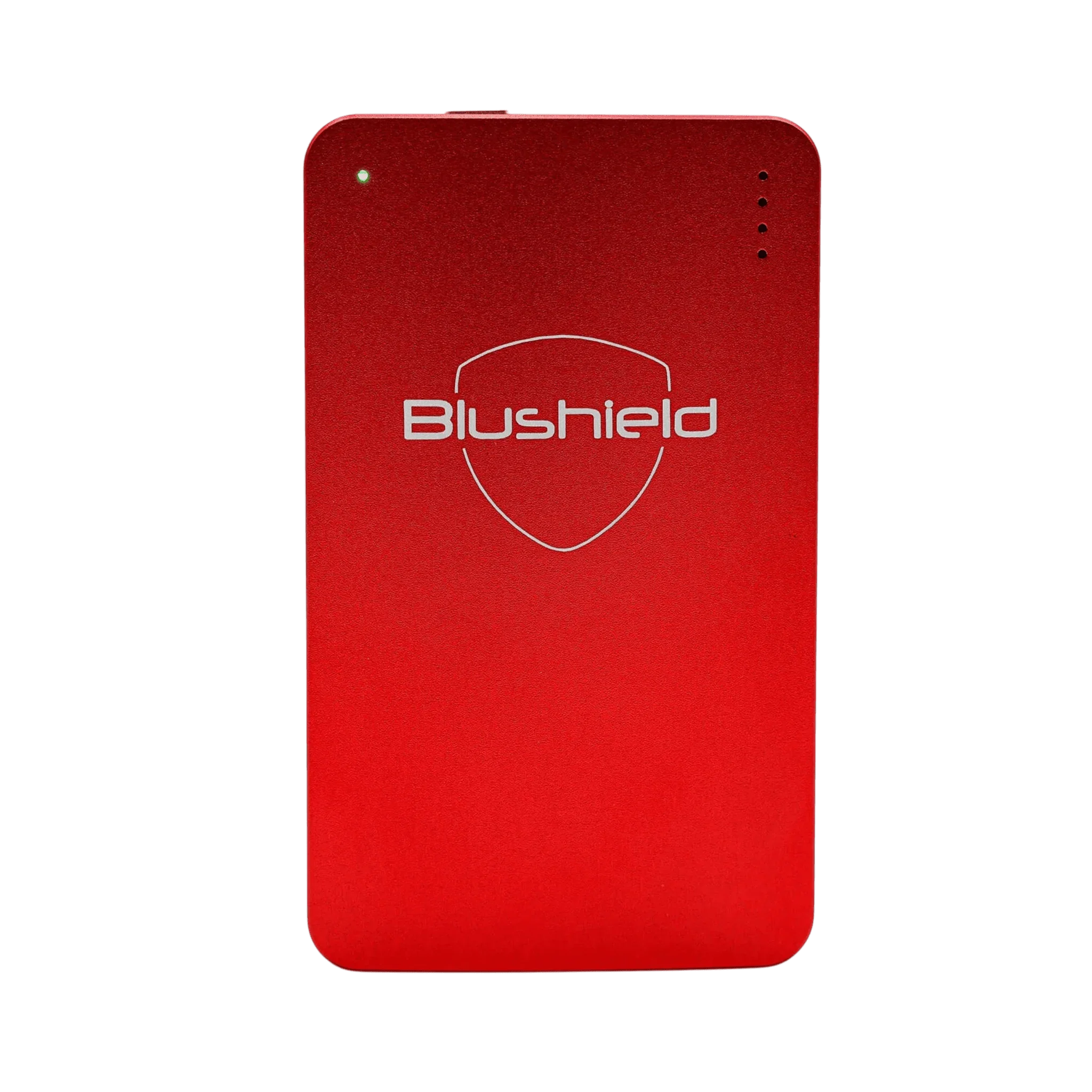
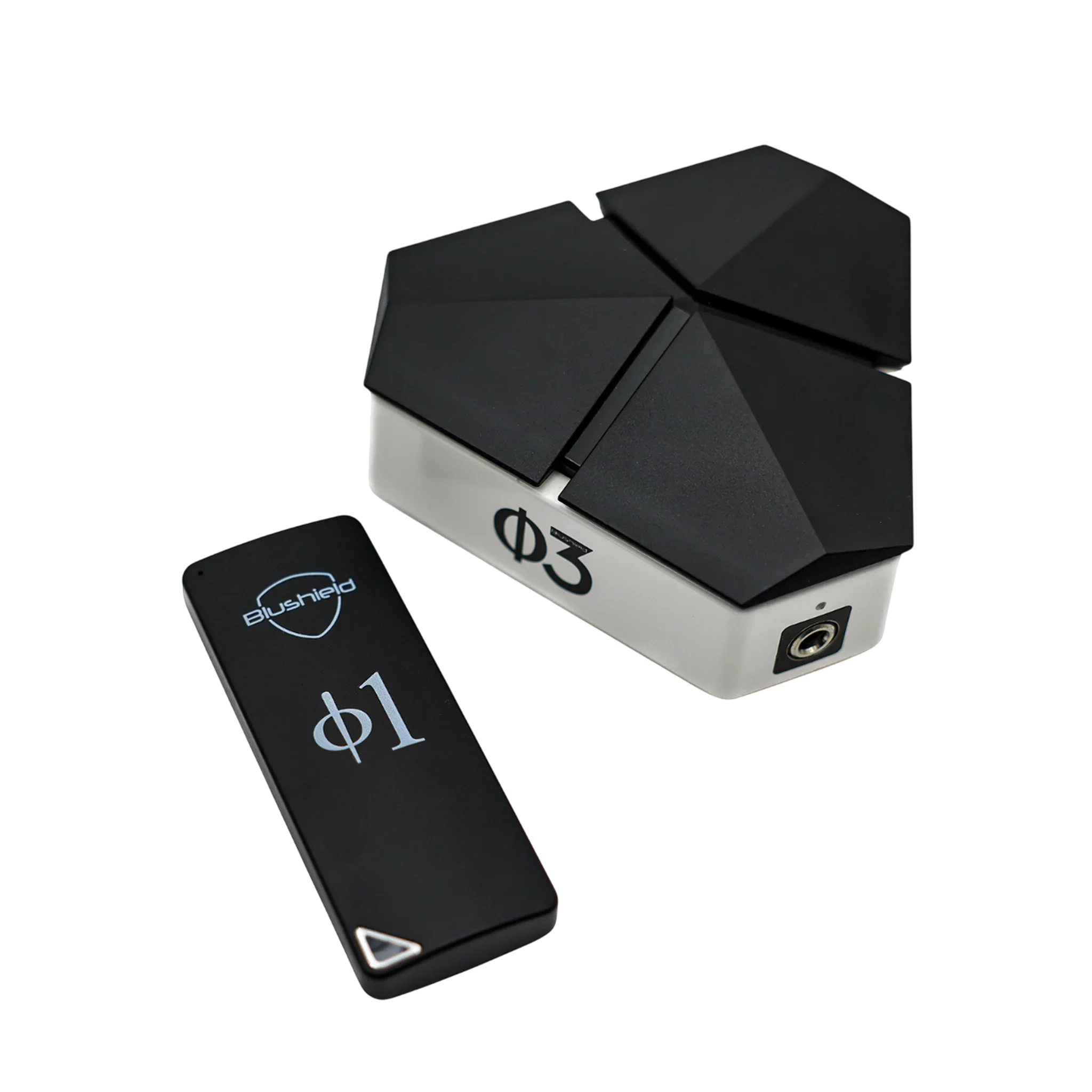
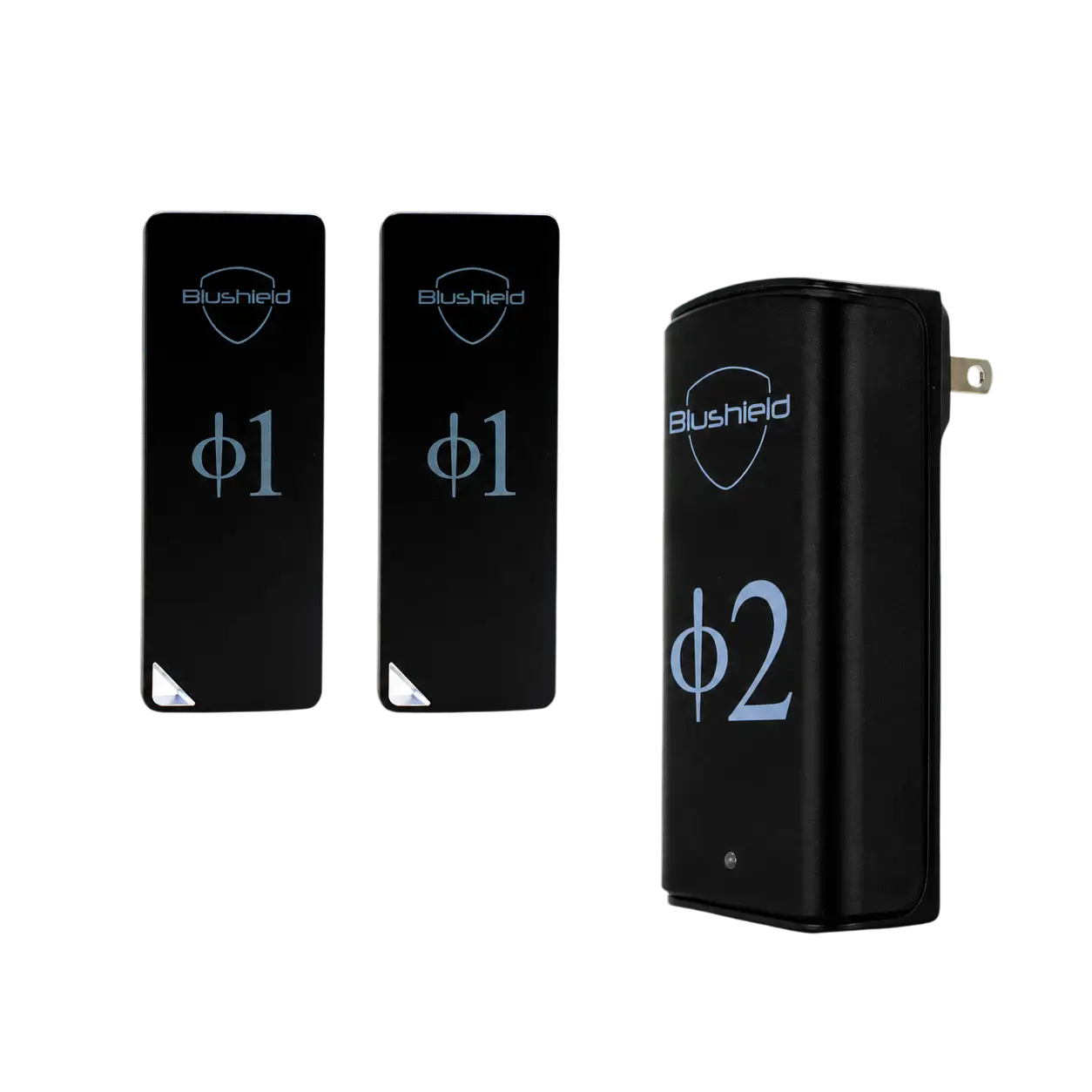
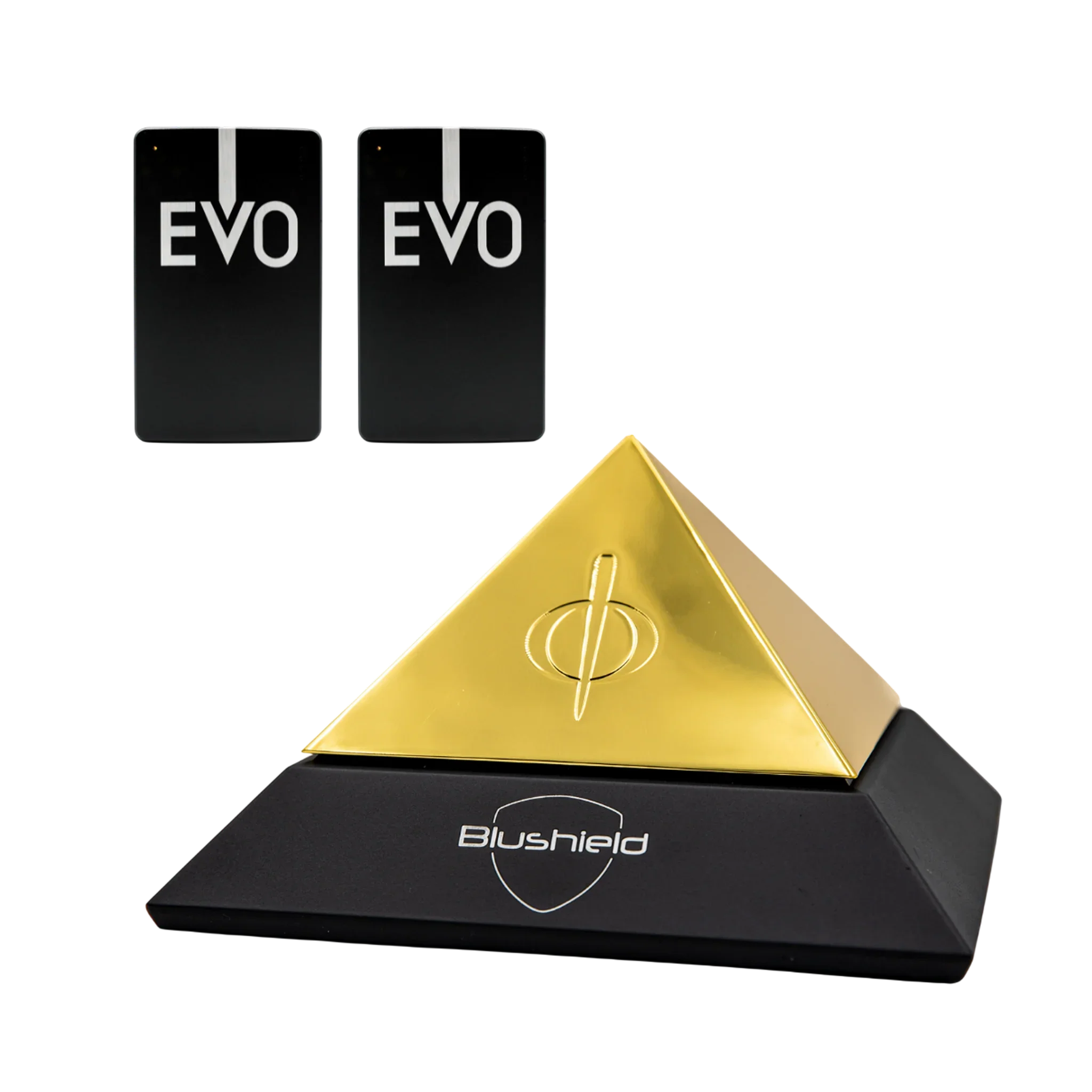
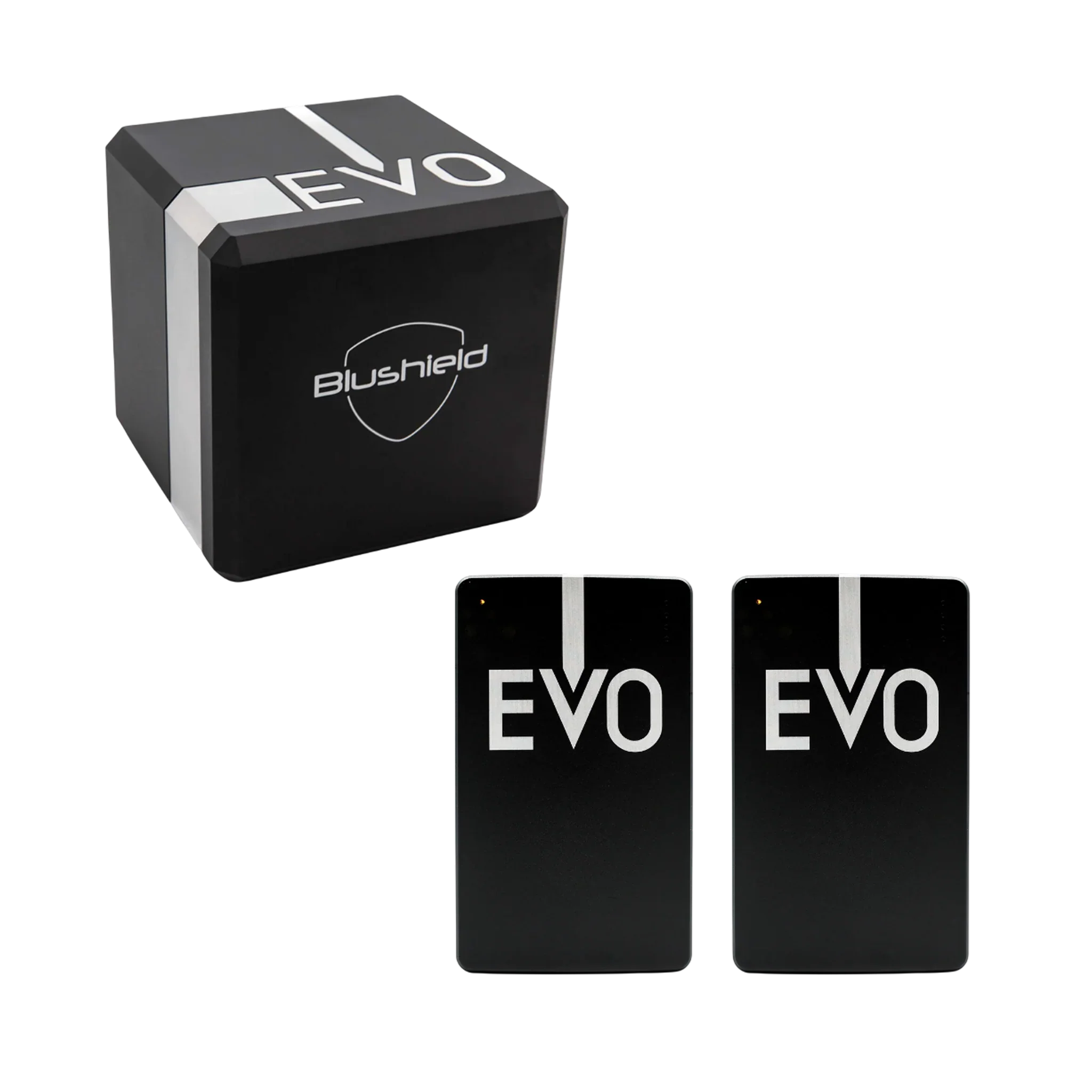
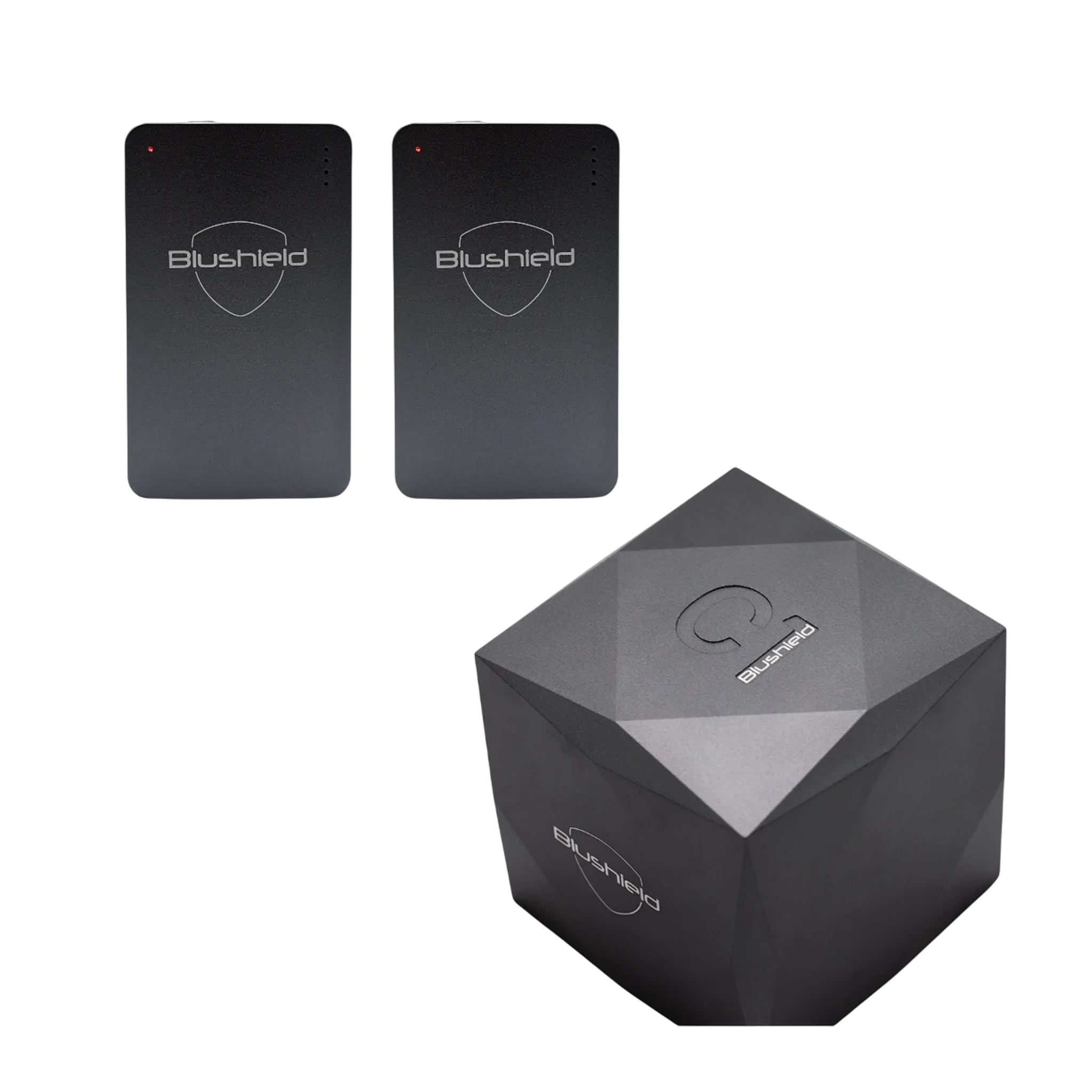
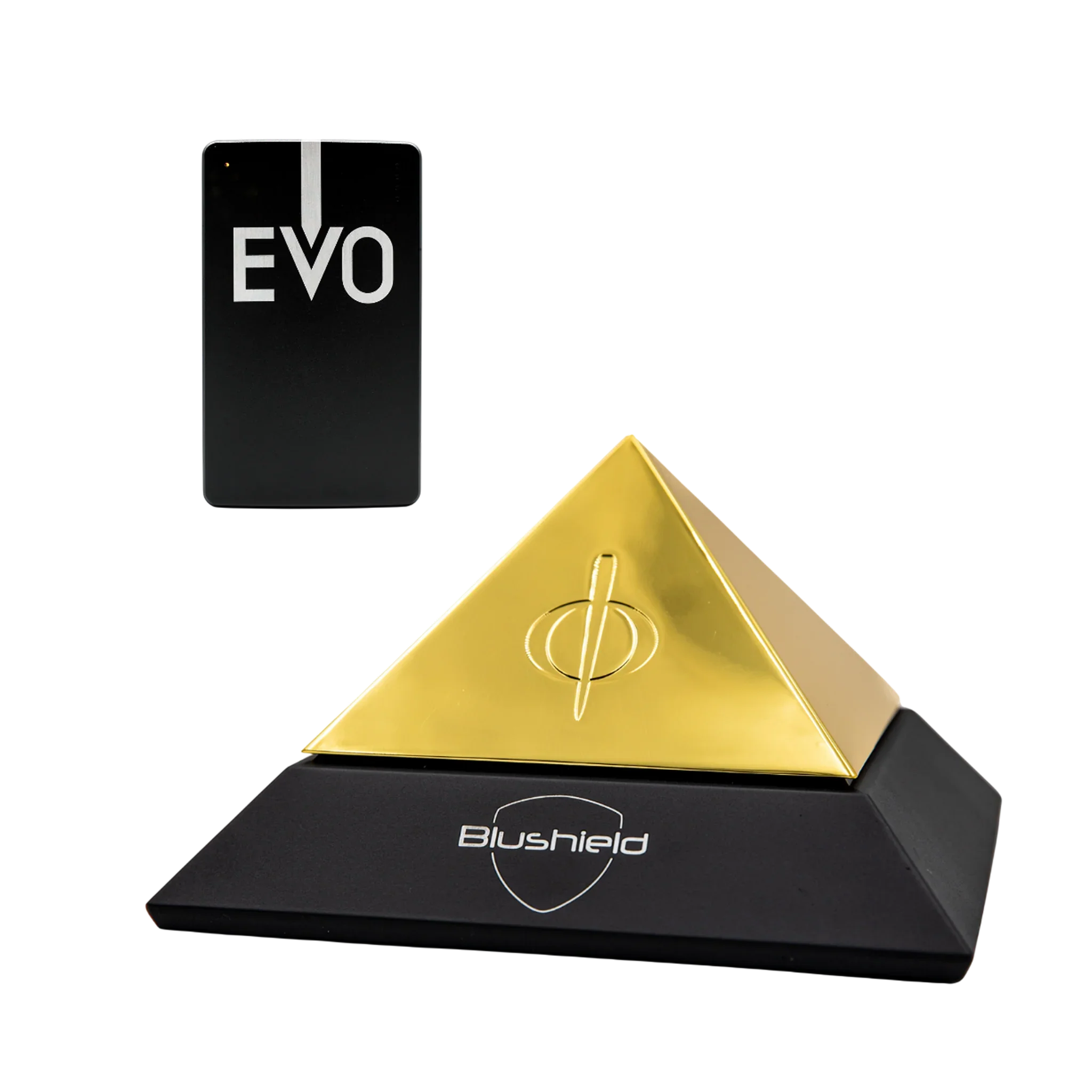
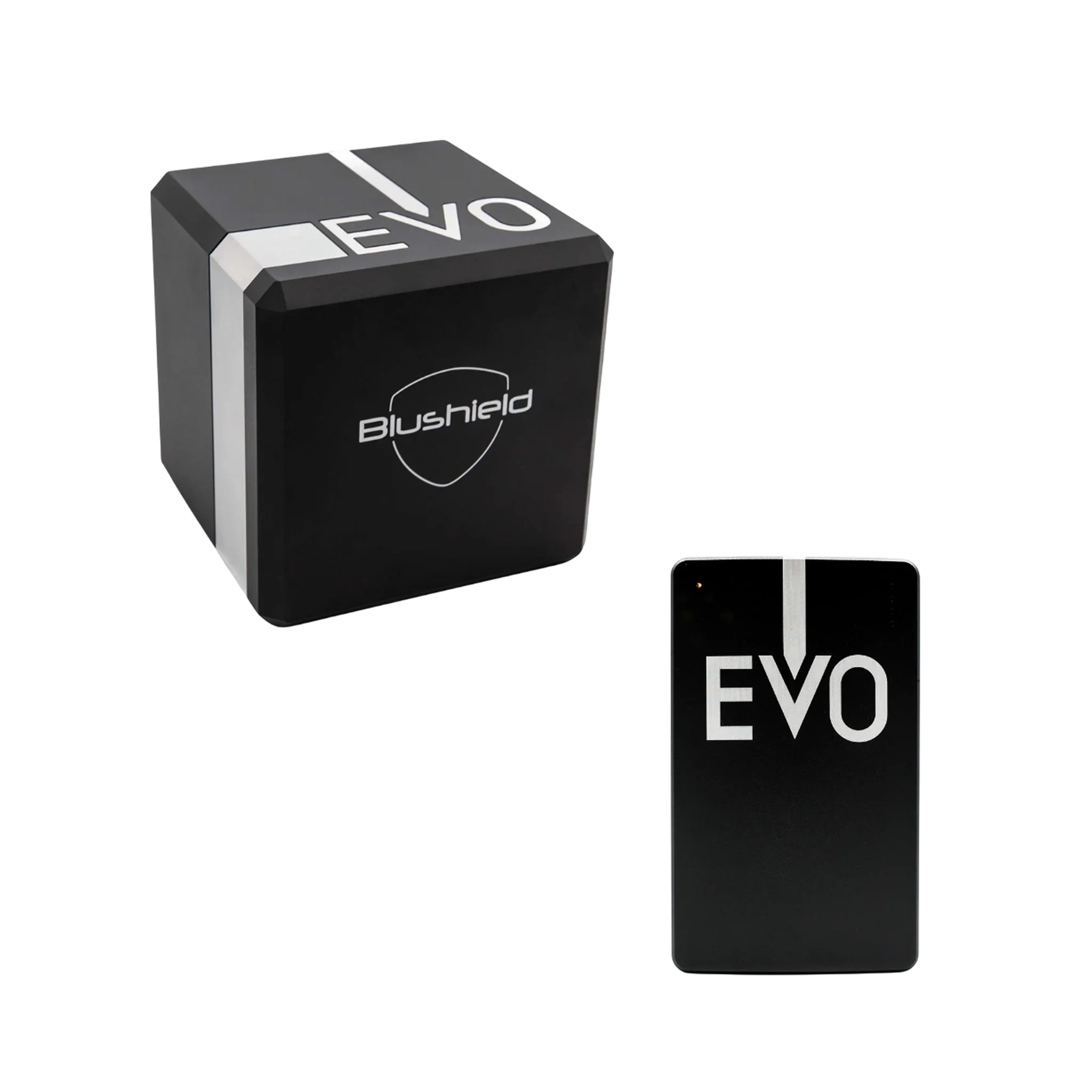
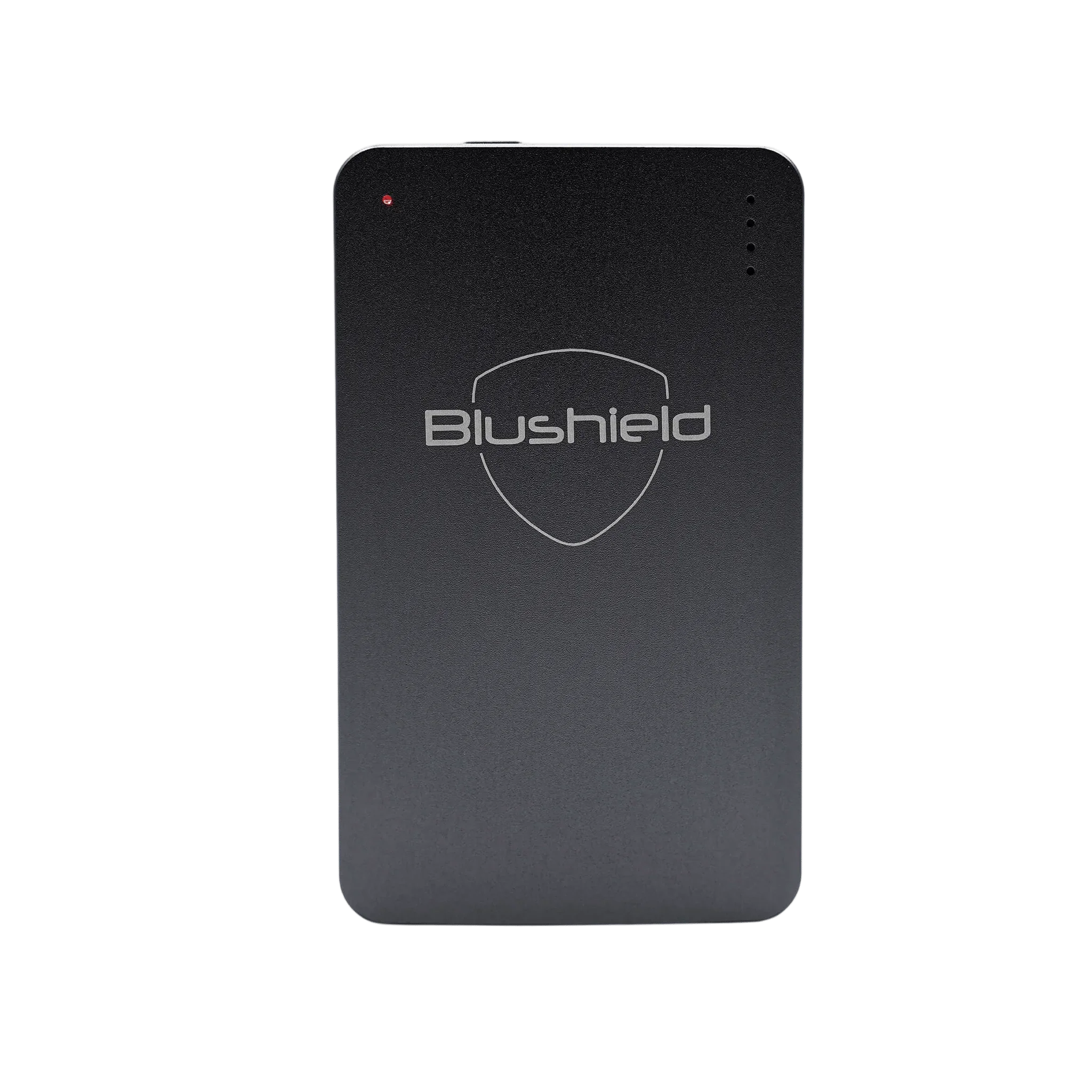
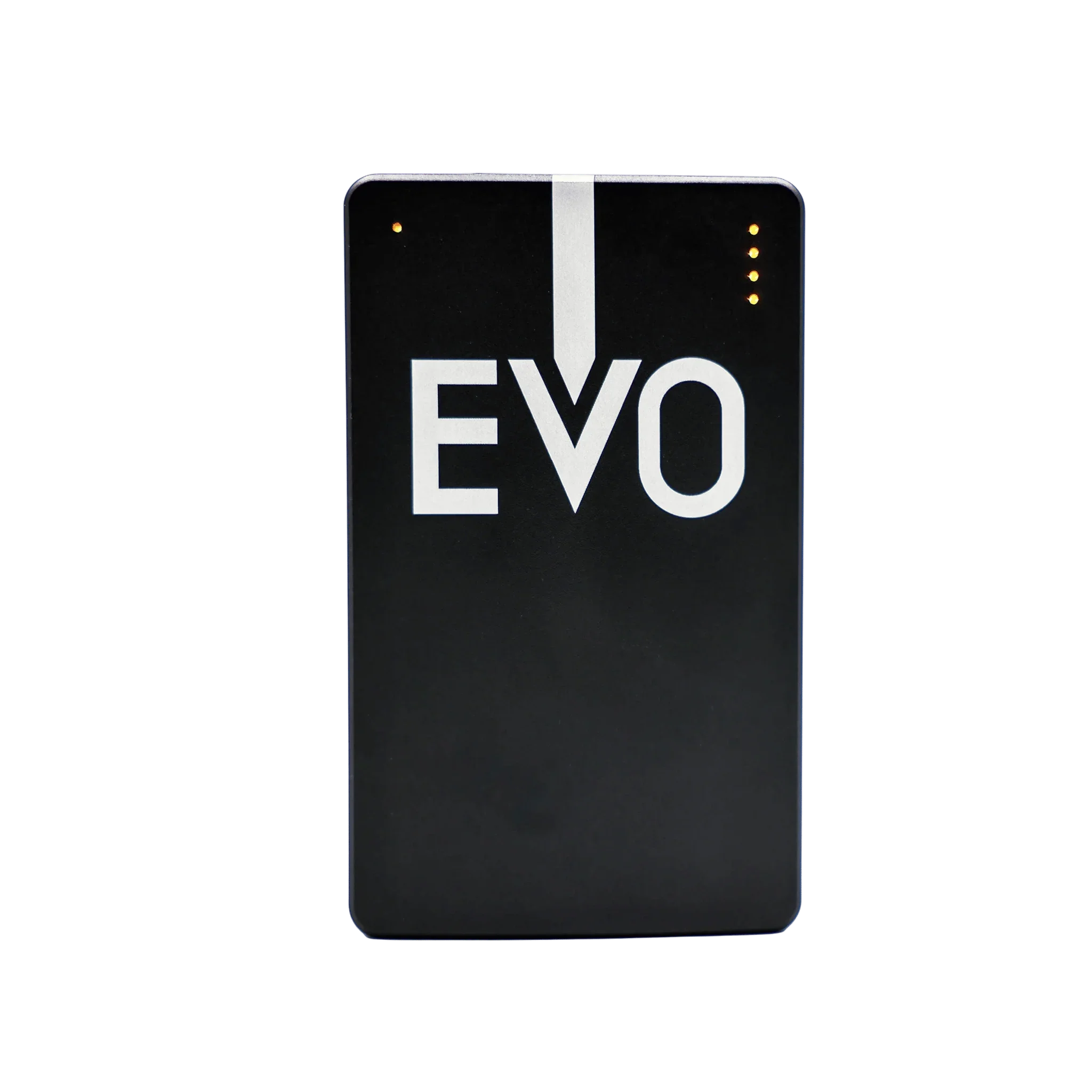
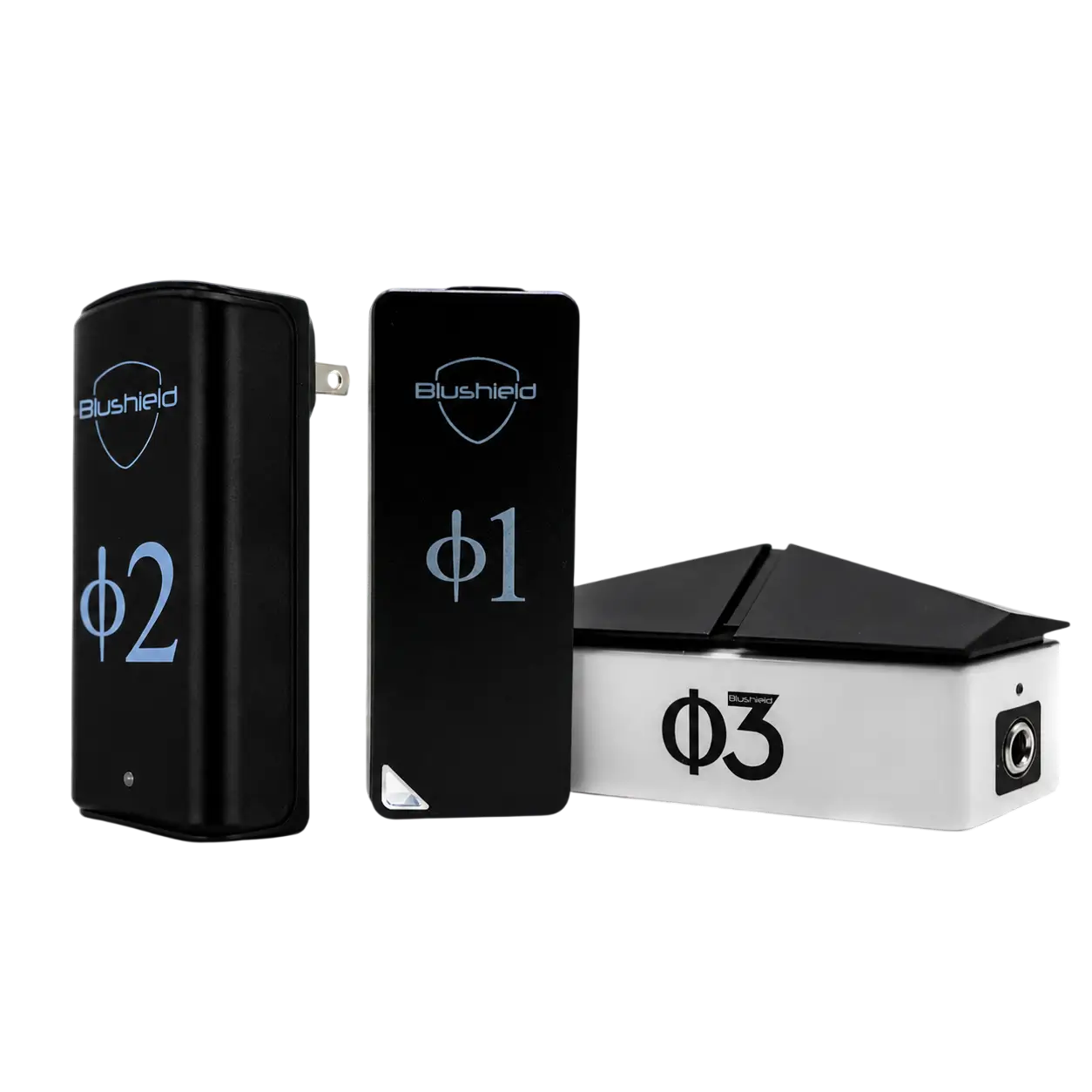
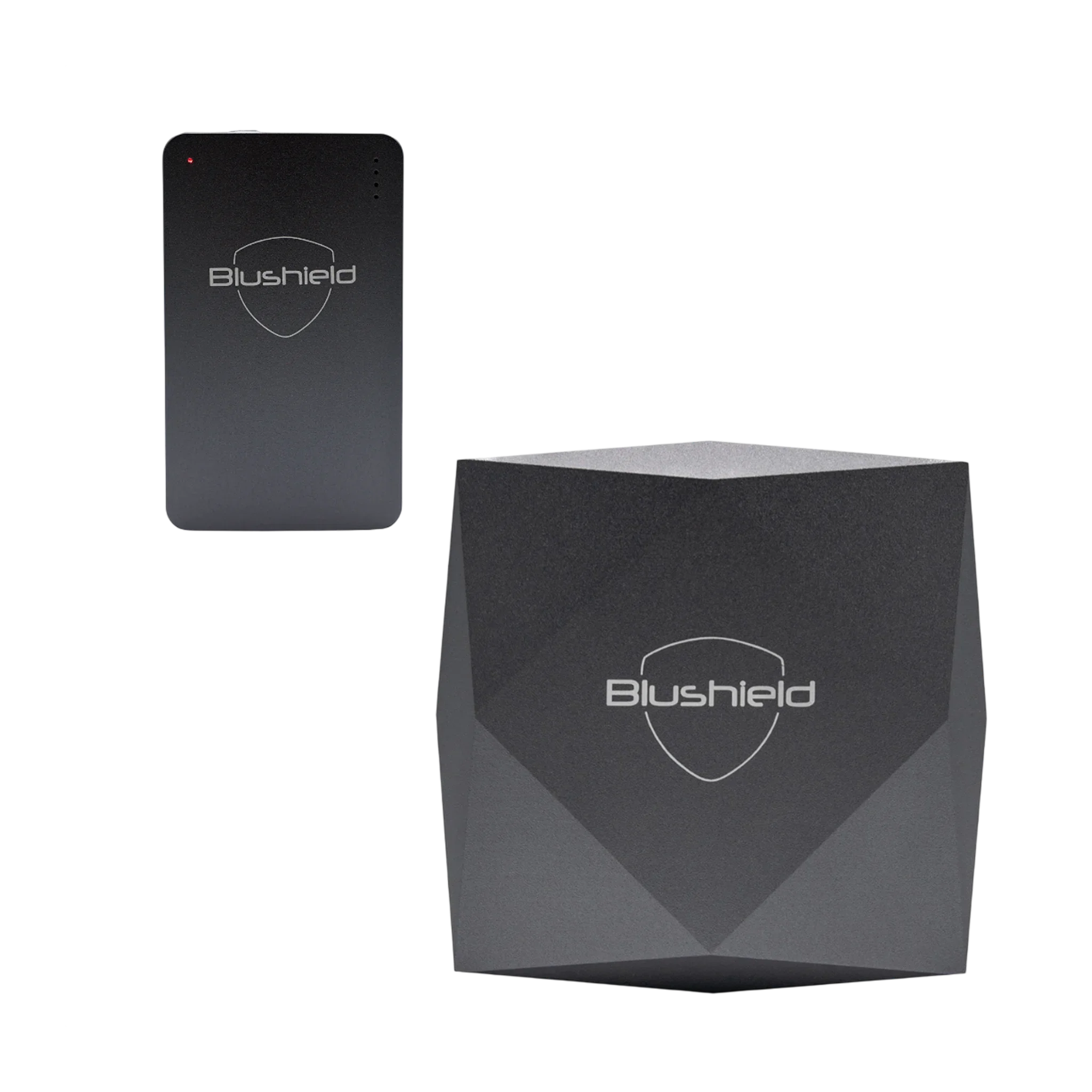
To protect your body from any remaining radiation exposure, since you can’t control a lot of the RF exposure sources around you, be sure to protect your home with a stationary Blushield device of the appropriate strength for your overall EMF exposure levels, and carry a Blushield portable device with you anytime you’re on the go.
Blushield devices were demonstrated in a 2023 clinical study to calm overactivation of the voltage-gated calcium channels back to normal levels – VGCC overactivation is widely thought to be the primary mechanism of harm from EMFs, as we touched on earlier. A variety of other statistically significant health improvements were recorded, as well, showing that even if the mechanism of harm from non-thermal EMFs is more complex and nuanced than we currently know, that our EMF protection technology is broadly beneficial in regulating physiology back to a healthier state.
References:
- Apple iPhone RF Exposure Information – https://regulatoryinfo.apple.com/rfexposure/iphone18,1/en
- Samsung Galaxy S21 Radiation Levels – https://www.rfsafe.com/phone/samsung-galaxy-s21/
- Blushield: “New Proof that Cell Phones Are Not Safe” – /blogs/new-proof-that-cell-phones-are-not-safe
- Blushield: “$30M National Toxicology Program Study Shows Cell Phone Radiation is Carcinogenic” – /blogs/30m-national-toxicology-program-study-shows-cell-phone-radiation-is-carcinogenic
- Bioinitiative Report (updated in 2022) – https://bioinitiative.org/table-of-contents/
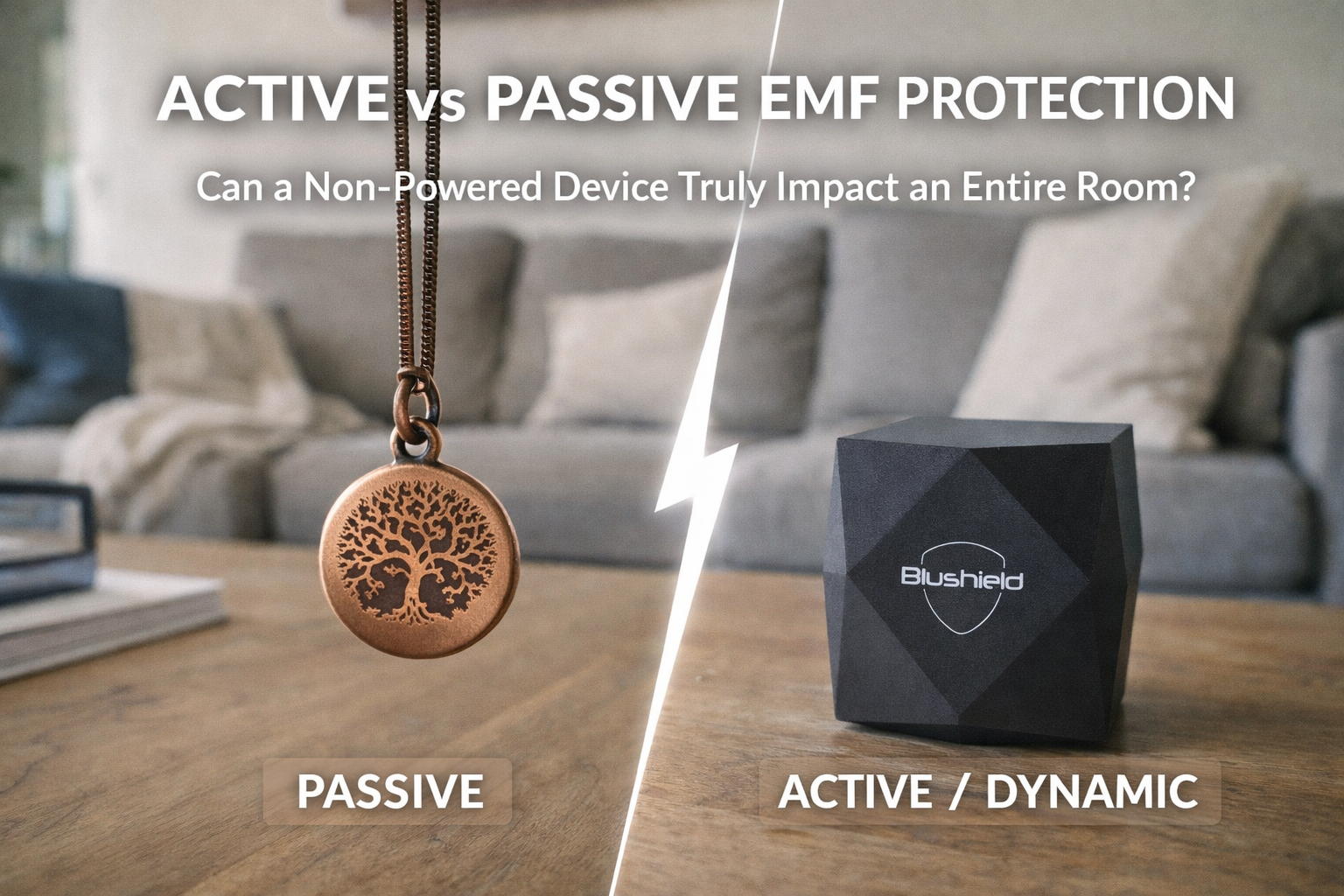
Why I ultimately chose active and dynamic field signalingMy name is Brandon Amalani and I have been running Blushield.com for nearly ten years.People regularly ask me about passive EMF protection devices and whether they are reliable or effective at protecting biology from man made electromagnetic exposure. That question comes up more now than ever, especially as passive devices have become extremely popular in recent years. I want to be very clear from the beginning that this article is not an attack on anyone or any company. It is an honest attempt to explain what I have learned about physics, biology, and signal behavior after a decade of working directly in this space.I originally got involved with Blushield after personally exploring many of the options available at the time. Most of what existed were passive EMF devices such as stickers, pendants, resonator chips, cards, and other non powered products. There were also shielding materials, grounding strategies, and constant single frequency generators. I tested all of these myself and spent a lot of time learning where each approach worked and where it clearly did not.That was about ten years ago. Since then I have worked closely with inventors and researchers in the electro therapy space and continued my education across multiple disciplines including cold plasma technology, photobiomodulation, PEMF system design, cellular biology, nutrition, and herbalism. Having this cross-disciplinary perspective has been critical in helping me understand how the human body functions as an electromagnetic system and how it interfaces with both natural and man made fields.Over the years I have noticed a shift in how passive EMF devices are discussed and marketed. Many educators and companies have moved away from older language like depolarizing EMF or harmonizing waves, and are beginning to use more nuanced terminology around coherence and biological signaling. That shift is a step in the right direction. However, based on what people share with me and what I continue to observe, there is still a great deal of confusion around the actual physics and biology involved.There are really three categories worth discussing. The first category is passive EMF devices. These devices have no power source. They claim to harvest ambient electromagnetic radiation and reorganize or modify those fields in a way that reduces biological stress. They often rely on geometry, fractal patterns, holograms, microchips embedded in pendants, or specific material combinations. The second category is active EMF signaling devices. These devices are powered systems that intentionally emit weak structured signals. They do not claim to overpower ambient EMF. Instead they claim to bias biological systems toward more coherent endogenous signaling and improved physiological resilience. The third category is what I would call active and dynamic signaling systems. Blushield falls into this category. It is active because it generates a field using an internal power source. It is dynamic because the signaling changes over time in a coherent way, more closely resembling the constantly shifting electromagnetic environment found in nature.To be clear, many of the concepts used to justify passive devices are not crazy or unscientific. Electromagnetic fields do have polarization. Geometry can influence how fields interact with materials. Fractal antennas exist in real engineering applications. Metals can couple to radiofrequency energy and act as grounds. Passive objects can scatter or redirect fields locally in the near field. All of that is true. This is why claims like an intentionally designed resonator can reorganize harmful EMFs and make them less biologically stressful sound persuasive on the surface.The issue is not the concepts themselves. The issue is scale, control, and guarantees.A passive resonator may produce higher local field intensity at specific frequencies by storing energy temporarily, much like a tuned antenna. However, this is concentration, not amplification in the engineering sense. Without an internal power source and maintained oscillation, a passive device cannot generate a dominant reference signal or enforce coherent structure across a room-scale environment.Without power, a device cannot control timing, phase, modulation, or coherence. It is entirely dependent on whatever ambient electromagnetic environment happens to be present at that moment, which is constantly changing. Geometry without power has no authority over signal behavior. Passive devices can respond to fields, but they cannot impose order on them.Over the years I have had many conversations with inventors working in active electromagnetic systems, including plasma based technologies. One important distinction that comes up repeatedly is that plasma can behave like a fractal antenna because it is an active medium with mobile charge carriers and energy input. That is fundamentally different from static geometry, etched holograms, or water/copper coil circuits which do not maintain oscillation, timing, or coherence on their own.Fractal antennas are real in engineering. However, they require specific parameters such as tuning to defined frequency ranges, feed points, impedance control, and known boundary conditions. A static hologram etched onto a pendant or card does not dynamically store electromagnetic information, adapt to changing environments, or enforce coherent signaling. It is a constraint, not a reference. Plasma systems can act like fractal antennas because they are active. They contain mobile charge carriers, dynamic oscillation, and energy input. That is a fundamentally different physical system than a static etched interference pattern. Calling both of these fractal antennas is a category error.One question that always stood out to me was how passive devices claim to cover large areas with no internal power source. Passive devices may slightly alter local coupling when worn on the body. That is plausible. What is not clear is how they could control room-scale fields or guarantee uniform effects across space. If a device truly created a dominant room-scale field, orientation, placement, and surrounding electromagnetic conditions would not matter. In reality, indoor EMF environments are dominated by near field sources such as laptops, phones, routers, and wiring. These signals reflect off walls and floors, creating standing waves and nulls. The result is a highly patchy and inconsistent field landscape. A small passive device only interacts with the local field where it is placed. It cannot average or reorganize an entire room. Its behavior will change depending on proximity to sources, wiring, and the body itself. That tells us the environment is in control, not the device.Passive devices have no internal timing reference, no phase authority, and no feedback mechanism. A passive microchip or circuit does not qualify as an internal reference because it does not actively maintain timing, state, or phase. Geometry and materials can constrain how a device responds to incoming signals, but they cannot enforce or stabilize a desired signal state. A reference requires actively maintained timing or coherence. Passive systems do not have that capability.Depolarization is another concept that has been widely misunderstood. Polarization refers to the orientation of the electric field. Coherence refers to phase stability and predictability over time. These are not the same thing. Modern radiofrequency environments are already spectrally complex, weakly polarized, and highly incoherent. Further depolarizing these fields simply adds randomness. It does not restore order. You cannot fix incoherence by adding more noise.In recent years many companies have used portable EEG devices to demonstrate before and after changes in brain activity. EEG can certainly reflect changes in mental state such as relaxation, attention, novelty, or expectation. It is extremely sensitive to posture, breathing, emotional framing, and context. What EEG cannot demonstrate is environmental EMF control, room-scale field effects, or mechanism of action. EEG does not measure cellular health, gene expression, calcium channel behavior, oxidative stress, or electromagnetic exposure levels. It tells you that a brain state changed, not why it changed. A device worn on the body could plausibly induce a local coupling effect. That does not mean the surrounding environment was altered. Small numerical changes can also appear dramatic depending on visualization choices and color scaling when creating before and after images.After evaluating many testing approaches, we chose to pursue the most rigorous path available to us. Rather than relying on internal or externally sourced white papers or theoretical models, we conducted an independent review board certified clinical trial in the United States. The results were published in a peer reviewed medical journal. We demonstrated significant changes in VGCC gene expression along with other physiological markers. This type of research is expensive and time consuming, but it aligns with the actual biological mechanisms being discussed.Biological systems are oscillatory, nonlinear, phase sensitive, timing dependent, and reference driven. This is why natural light cycles, geomagnetic fields, and environmental rhythms are so important to health. Biology does not simply respond to less stimulation. It responds to better organized information. The real question is not whether we can remove all EMF. It is whether we can provide a stable coherent reference that biology can lock onto.Active and dynamic signaling systems can do this. Passive systems cannot. Powered systems introduce a reference signal with internal timing and structure. That signal behaves consistently across environments. It improves signal to noise at the organism level. Passive systems have no phase authority, no internal timing, and no ability to resist environmental variability. They react to chaos, scatter chaos, and depend on chaos for their function. That is the opposite of what biology needs.Even mainstream EMF literature points to mechanisms such as VGCC activation, calcium influx, oxidative stress, and redox imbalance. An active coherent field can plausibly bias ion channel behavior, reduce stochastic noise, and support mitochondrial coupling. A passive scatterer cannot target these mechanisms or maintain biological reference states. Passive devices attempt to reorganize biology by harvesting incoherent ambient radiation. Active devices introduce order.We have been recommending Blushield for years as ones primary source of protection. Recently we introduced another technology that we found to pair perfectly with Blushield as the ultimate EMF protection stack.First, let’s look at the environment a bit closer.Modern EMF exposure isn’t just coming from wireless signals in the air. It also comes from the wiring inside our walls. Digital devices, switching power supplies, and LED drivers inject high-frequency transients and sharp voltage edges onto the 50/60 Hz electrical sine wave. That noise doesn’t just stay in the wires, it turns the wiring itself into a secondary source of electromagnetic variability.Blushield operates in the radiated domain by introducing a low-power, internally timed reference signal that remains stable even as the surrounding RF environment changes. It does not attempt to overpower external sources. Instead, it provides a consistent signal structure that biology can bias toward.SineTamer works at the electrical layer by reducing high-frequency transients and rapid voltage fluctuations on the building’s wiring. By lowering broadband electrical noise, it reduces the background variability that wiring can radiate into living spaces.Together, these two approaches address different layers of the same problem: one introduces structured reference signaling, the other reduces injected electrical noise. The result is not “shielding,” but a shift in signal organization and environmental stability.I genuinely want passive devices to be highly effective. I also want Nikola Tesla’s dream of a small portable device that produces clean energy from ambient energy to be real. But wanting something to be true does not make it physically possible yet. After ten years of experimentation, education, and direct testing, active and dynamic field signaling remains the most plausible approach I have seen for supporting biological resilience in modern electromagnetic environments.

Product updates
Practical tips for low-EMF living
New releases
Exclusive promotions
Frequently asked questions
Invisible forces are part of modern life, but their impact doesn’t have to define you. Blushield works quietly in the background, supporting a more stable, balanced internal state so you can focus, rest, and perform at your best.
It doesn't block or shield EMF. Instead, Blushield is designed to support the body's natural response to everyday electromagnetic exposure. By focusing on biological support rather than altering environmental signals, it takes a different approach to EMF protection.
Plug-in units (Premium, Ultimate, Phi) cover your home. Portables cover you when you leave it. Most people start with one of each: a plug-in for the house and a portable for travel, work, and the car. If you're not sure, use our Find Your Device tool or message us.
30-day limited money-back guarantee on every device (restocking fee applies - see our full return policy). Stationary and portable units carry a 1-year warranty. If anything extends past that, contact us.
Yes. EMF meters measure intensity, not biological impact. Even low-level exposure from Wi-Fi, Bluetooth, smart meters, cell towers, and nearby homes accumulates 24/7. Blushield works on the body's response, so it helps regardless of what a meter reads.
Some people feel calmer or sleep better within the first night. For others it's a few weeks of gradual change - better focus, deeper sleep, and less fatigue. A small number notice a short adjustment period as the body recalibrates. Everyone responds differently, so give it time to become part of your daily environment and let the benefits build naturally.
Yes. Blushield is built on decades of research into how the body responds to coherent vs. incoherent electromagnetic signals. We have independent studies, HRV data, and live-blood analyses on our Science page. We don't make medical claims. We point you to the data and let you decide.