.svg)












.png)
.png)





























.png)


.jpg)


.svg)
-cropped%20(1).svg)
.svg)
Passive vs. Active EMF Protection
Article by
Brandon Amalani
April 7, 2021


.webp)

EMF is an acronym for electromagnetic field, which refers to an invisible field that’s created when the combination of electricity and magnetism radiates outward. This occurs in nature in a variety of ways, as a natural byproduct of charged particles interacting with the magnetic field of the Earth. A couple centuries ago, humans figured out how to produce electromagnetic fields and use them for a variety of practical purposes. If you want to find out more about EMFs and learn about the electromagnetic spectrum, check out our article that explains the subject in depth.
The electromagnetic fields that humans produce and utilize are very different in structure than EMFs that nature produces. Manmade EMFs are usually pulsed, repetitive, oscillating frequencies, which can have a totally different effect on biology than nature’s infinitely varied frequency patterns.
As humanity’s use of electronic and wireless devices has increased exponentially over the past few decades, many have wondered if the invisible emissions from these manmade devices are safe for our health. The result of this widespread concern has been a plethora of scientific studies. The majority of the independently-funded studies, and even a surprising percentage of cell phone industry and government funded studies, have shown that manmade electromagnetic fields from a variety of sources can indeed harm human bodies, as well as other living organisms. While the vastly wealthy telecommunications industries (and the government organizations who supposedly regulate them) try to ignore or downplay these studies, they do in fact exist and carry considerable weight.
If you want to delve more into the thousands of currently existing studies on the harms of EMFs, check out these articles we wrote previously on the subject:
Are EMF Dangers A Conspiracy Theory?
$30M National Toxicology Program Study Shows Cell Phone Radiation is Carcinogenic
New Proof That Cell Phones Are Not Safe
Microwave Electromagnetic Fields (EMFs) Shown to Cause Depression & Anxiety
How Do We Protect Ourselves?
Now that we’ve established that manmade EMFs do harm living biology, what do we do now? How do we protect ourselves from an invisible element that seems to permeate every facet of our modern lives?
As awareness of this issue increases, and more people than ever before are taking responsibility for informing themselves of the potentially harmful side effects of this fairly new element of the human experience, potential EMF protection solutions are popping up right and left. It is wonderful that individuals and companies are creating and offering innovative solutions, so that hopefully we don’t have to sacrifice our health and well-being for this enticing modern opportunity of greatly increased digital connectivity.
We get many questions from people who are confused about all the options out there, wondering which ones are effective and which aren’t worth the hype, and how to get the biggest return on their investment in EMF protection.
We will break down the different types of EMF protection strategies and devices that are out there, so that you can more clearly understand which ones will be right for you, with your unique lifestyle and needs.
The Best Protection Is Minimizing Exposure
Before we even start discussing ways to mitigate the bodily damage caused by the EMFs you’re exposed to, it’s important to understand that the number one way to reduce harm from EMFs is to minimize your exposure to them. In our modern world, this is nearly impossible to do completely, and undesirable to do past a certain point. Almost none of us, even if you’re a huge lover of the wilderness, are going to go live there full time. Even if you somehow manage to do so, the new 5G satellites being launched into space at the current rate of hundreds per month are especially designed to provide service to rural and uninhabited areas.
Most of us need, and want, to live our lives and do our work in moderately to highly population dense areas, around other humans and human activity. We may choose this lifestyle because we enjoy it, or feel that we need to live this way due to our individual life circumstances. It may be a nice thought to live somewhere where there are zero cell towers within several miles of your home, but for most people this is unrealistic. It’s also unrealistic, and undesirable to most people, to never use a cell phone, computer, or drive a car. We shouldn’t have to give those things up to feel good and maintain our health.
That said, there are ways that you can moderately and sensibly reduce your exposure, even without compromising essential or enjoyable aspects of your lifestyle. Here are a few easy and smart ways to reduce exposure that will go a long way in decreasing the stress of EMFs, when cultivated as habits:
- Never talk with your phone held against your head, especially during long conversations. Instead, use the speakerphone setting, or an AirTube headset when you need to talk on your phone. If you’re making a quick call, even just holding your phone a couple inches further away from your head (so you can still hear the caller and talk into the microphone) will make a big difference in how much radiation is reaching your head.
- Never carry your phone against your body, unless it’s on airplane mode or turned off. This means keep it out of your pocket or bra when it’s turned on and the signal is active. Airplane mode is your friend! If you’ve never used airplane mode, it’s worth learning how, and it’s an easily accessible setting on all modern phones. If you need to keep your phone on because you’re waiting for a call or text, at least make sure it’s further away from your body, such as on a table next to you, or kept at a safer distance from your body in your purse or bag.
- Keep your phone out of your bedroom at night, and keep electronics away from your sleeping area. If your phone needs to be in your bedroom at night, keep it on airplane mode (you can still use the alarm) or at a safer distance from your sleeping area. You could even turn off or unplug electrical appliances in your bedroom before you go to sleep, or turn off the breaker that powers your bedroom outlets. Many people have found that these few changes improve their quality of sleep at night!
- Turn off your Wifi at night or when you aren’t using it. Wifi is usually the closest range and most intense EMF exposure that many people have. If you can eliminate this one electromagnetic stressor more often, you may find that you feel much better.
- Even better: Ditch the Wifi and get your home wired with copper or fiber optic internet! Wired connections are so much better for every reason. Read more about this in our article, Why Wired Internet in the Home & Office Is Better Than 5G.
- Don’t use “Smart” devices in your home (within reason). This includes wireless doorbells, baby monitors, and “smart” appliances like Wifi enabled ovens, washers/dryers and beds. You may need to use these devices for certain reasons, but we recommend at least thoroughly assessing the use of each device and deciding if it’s worth the extra EMF exposure. If you have a “smart” meter as your electricity meter, contact your electric company and ask if they can replace it with an older digital or analog meter.
Those are just a few suggestions that can immediately improve your quality of life, without compromising connectivity and only slightly decreasing convenience. With this approach, there will be trade-offs, and you will have to decide for yourself which exposures are worth tolerating, and which ones you truly don’t need.
EMF Shielding & Blocking
One popular approach to EMF protection is using shielding materials to block electromagnetic radiation. These items contain certain metals, often in a grid-like pattern, that absorb the measurable EMFs and don’t allow their passage beyond the material. They are commonly referred to as Faraday shields (or Faraday cages), named after Michael Faraday, who invented them in the 1800’s. Often, they will be simply called EMF shielding or blocking materials. They can be made of cloth (with metal strands weaved into the cloth), solid sheets of metal, or grid-like or cage-like structures.
Often people will put these around their bed when they sleep, or wear clothing made of Faraday shielding cloth, hoping to block the EMFs from reaching their body.
This approach can be marginally effective, with certain key limitations. Shielding will attenuate or fully block the conventionally measurable transverse component of the electromagnetic wave, which you can see if you use an EMF measuring device like a Trifield meter. Your cell phones and Wifi won’t work behind a Faraday cage, because the information they transmit is on a transverse carrier signal.
The problem is that shielding will not block the longitudinal (scalar) component of the electromagnetic wave, which is estimated to be 5 times stronger in its biological effects than the transverse component! The EMF measuring devices available today are only designed to measure the transverse component of the EMF. Many people believe that if these devices can’t measure it, then it doesn’t exist.
Every electromagnetic field contains both a transverse and longitudinal component, as theorized by James Clerk Maxwell and proven by Nikola Tesla, and many others since Tesla’s time. A transverse wave cannot exist without an accompanying longitudinal/scalar field, but the opposite is not true: a scalar field can exist without a transverse component, because the scalar field doesn’t depend on the transverse wave. This is what we call “pure scalar”, and is how Blushield devices work. This begins to get somewhat complicated, but to learn more about scalar energy, and longitudinal vs. transverse waves, read these two article we have written to explain the subject in depth:
Scalar Energy and EMF – What You Need To Know
Scalar Energy, Biology, and Consciousness
Back to shielding, because of the above drawback it’s important to understand that relying too much on shielding as a primary EMF protection strategy can give a false sense of security. You may think you’re more protected than you are, because you are relying more on the numbers displayed on a meter than feedback from your body. This is understandable, since many people are not very sensitive to subtle energies, so may not trust their body’s signals.
Another big downside to shielding is that in this world, you can’t live in a bubble. You can’t just block out harmful frequencies and exist in a vacuum. You still need to participate in life, and along with living comes exposure to many frequencies, including a variety of beneficial and harmful ones. Even if you have a fiber optic or copper internet connection, making it possible to use your computer internet inside your Faraday cage, most people can’t completely cut themselves off from the outside world, nor would they want to.
If you currently use shielding products and have experienced benefits from them, we encourage you to continue using them in the limited way you can, but not to overly rely on them as a primary form of EMF protection. Here’s a more thorough explanation of the scalar component of the EMF, and why you can’t truly block EMFs:
Can You Actually Block EMF?
Passive EMF Protection
The majority of EMF protection devices on the market could be considered “passive” devices. This means they don’t use electricity to amplify a signal, so are more subtle and inert aspects of your environment. These include various stickers, necklaces, pyramids and stones, as well as some larger devices.
Some of these can have neat properties and do seem to exude some kind of beneficial energy. An example are certain types of rocks, like lodestones and shungite. We think these are interesting and worth having around if you like them, and they probably have some minor protective properties. However, there is no way that the energy these stones exude is enough to combat the extremely high levels of pervasive EMF we are exposed to in modern times. They cannot be considered a primary EMF protection strategy.
The same goes for the many stickers and pendants on the market. Some are meant to stick on your phone and supposedly block the radiation from them, or “harmonize” the EMFs so they aren’t damaging your health. Once again, there is no way that a tiny sticker or inert necklace is going to be remotely strong enough to block or render harmless even a tiny bit of the currently obscene levels of EMFs around us. For the ones that claim to block EMFs, if they actually blocked the signal from your phone, you couldn’t make calls from your phone. Our personal experience with these, and those of everyone we know, is that these don’t work at all and are a waste of money.
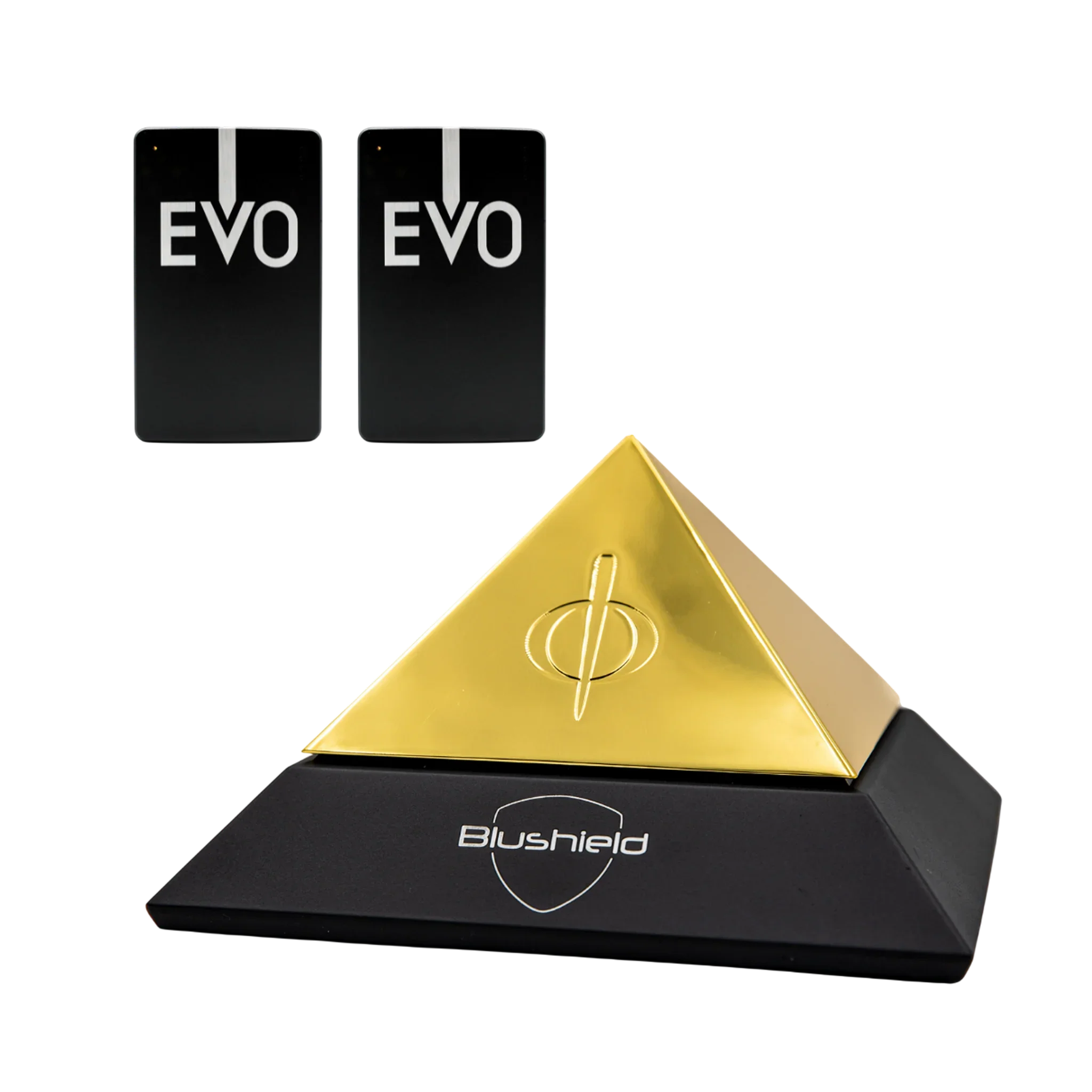
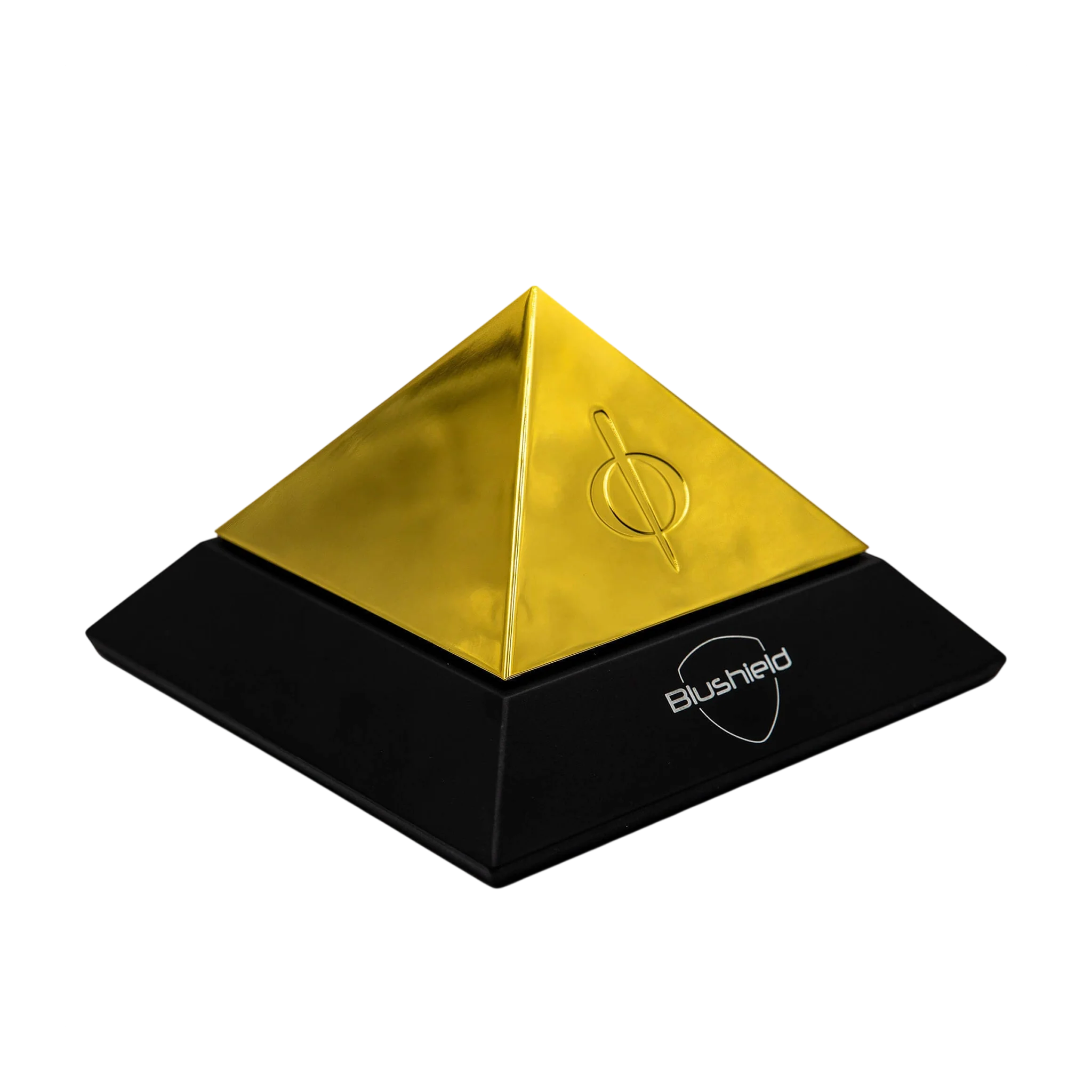
Pyramids are similar to the above mentioned rocks, in most cases. The pyramid shape naturally has properties that concentrate energy, and the materials the pyramids are made from often have some kind of subtle energetic properties. Many of them are made of a resinous combination of substances that is known as orgonite, and others are simple pyramids made from shungite or other stones. These can be pretty decorative pieces, and often exude some subtly beneficial energy, but most likely do very little to reduce the harm of EMF exposure.
If you start looking into the higher price ranges, you will find some larger devices that are specifically designed for EMF protection, but could also be considered passive devices. They are all designed differently, some using copper coils, mineral solutions, and gemstones or precious metals. Some contain a liquid that releases free electrons, which are supposed to depolarize the EMFs and render them harmless to the body. They may have some positive effect, depending on the person, but once again, a device or contraption that’s passive (not powered) is going to be more subtle and less powerful, and is unlikely to be able to mostly or completely remove the bodily stress caused by EMFs.
Active, Powered EMF Protection
There are only a few devices on the market currently that utilize mains power or a battery to amplify a signal, to become a strong enough positive influence to match or exceed the negative influence of the manmade EMFs. From our research and experience, only powered devices are strong enough to truly negate the overwhelming levels of EMFs we are dealing with in modern times.
Active devices either plug into a wall socket with a power cord, or run from a battery. Comparing the active EMF protection devices that are on the market, that’s about where the similarities end. The actual content of the broadcasted signal is vitally important. Active devices amplify a signal, but what type of information and frequencies are carried by this strong signal, and how does it work to protect your body from the EMFs in the environment? None of these devices remove the harmful EMFs from the environment, because if they did, your communications devices would no longer work. If they don’t remove or modify the EMFs, how do they help?
Active devices can operate through various means. Some use copper coils (aka Tesla coils) to generate a scalar field. These can have some positive effects, but there are downsides to using copper coils. Read more about that in our article on the subject:
Tesla Coils, Copper Toxicity, and Blushield’s Revolutionary Scalar Microprocessors
Some other active devices use precious metals and gemstones along with lights that slowly release the gemstone particles into the surrounding environment. Other active devices generate what’s called a “noise field”, which is random inaudible noise that is meant to combine with the harmful EMFs to deactivate the part of their structure that causes harm, so hopefully they will impact your body in a less harmful way.
Some EMF protection devices emit repetitive frequencies, including supposedly beneficial frequencies like the Schumann resonance, or Solfeggio frequencies. They will repeat one frequency, or one sequence of frequencies, over and over again. Some healing devices, like PEMF machines, will also do this to stimulate healing with a short term use. We don’t recommend exposing your body to repetitive frequencies for too long. You may see benefits at first, but over time, the body can develop a tolerance, resistance, or even an allergy to the repeated frequency. In terms of how it affects your body, the repetition of one frequency is like hitting the same button over and over again, exhausting the body in a certain way, while “under-stimulating” your body in other ways. Think of it like consuming too much of one nutrient or mineral, which eventually creates an imbalance and requires other nutrients to balance the body out.
Repetitive frequencies are thought to be a large part of the harm from manmade EMF sources. The information from your cell phone and cell towers is transmitted on a carrier signal of a single frequency. This frequency, for example the 2.45 GHz from your Wifi router, is stimulating your body in a very specific way, 24/7. This is not natural, and we are not designed to deal with a constant barrage of repetitive frequencies, since they do not exist in nature.
Not only is the repetitive aspect of the frequency and amplitude having a negative impact, these carrier signals (or information carrying radio waves) contain the information of the text or voice that is being sent, which is not coherent when it reaches the body. Energy fields in nature are coherent and beneficial to the body, so when the body is bombarded with chaotic signals, it goes on the defensive.
Blushield Active EMF Protection – Amplifying Nature’s Native Frequencies
We are surrounded by natural frequencies, and have been since the beginning of our existence. These frequencies of nature are infinitely varied, and nothing in nature will ever repeat in exactly the same way more than once, because everything in time and space is always moving and changing. We need these frequencies for our health.
Sadly, most of us live in population dense cities with very little natural elements around us. We are around buildings, cars, and wireless communications devices all day, and our lives are sorely lacking in dense forests, waterfalls, the ocean and beach, and the freshly charged, negative ion rich air of high mountain environments. There is still the background Schumann resonance frequencies (which are actually changing and not a fixed frequency), but our manmade devices are so pervasive that these subtle background frequencies become mostly drowned out, as far as our bodies’ ability to sense them.
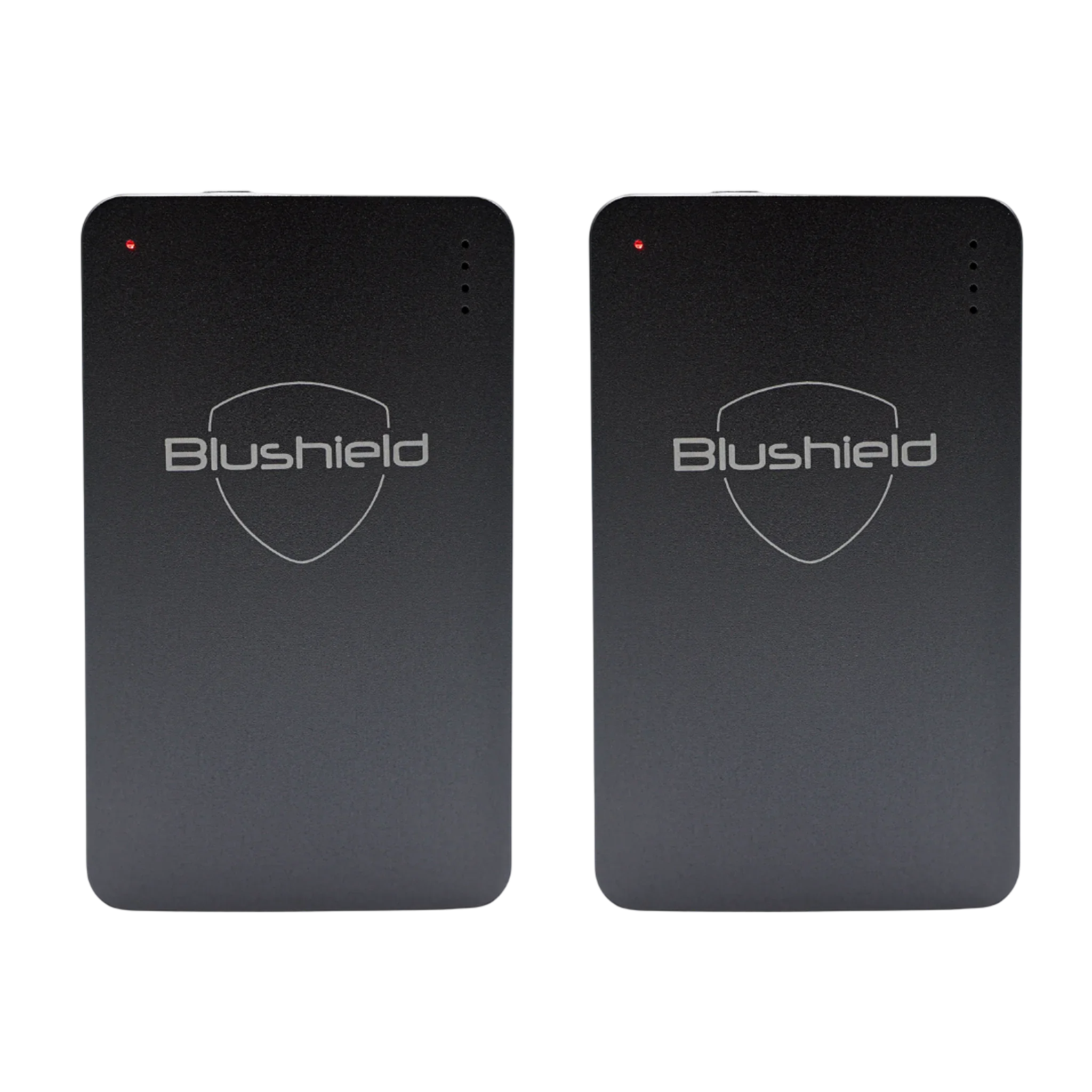
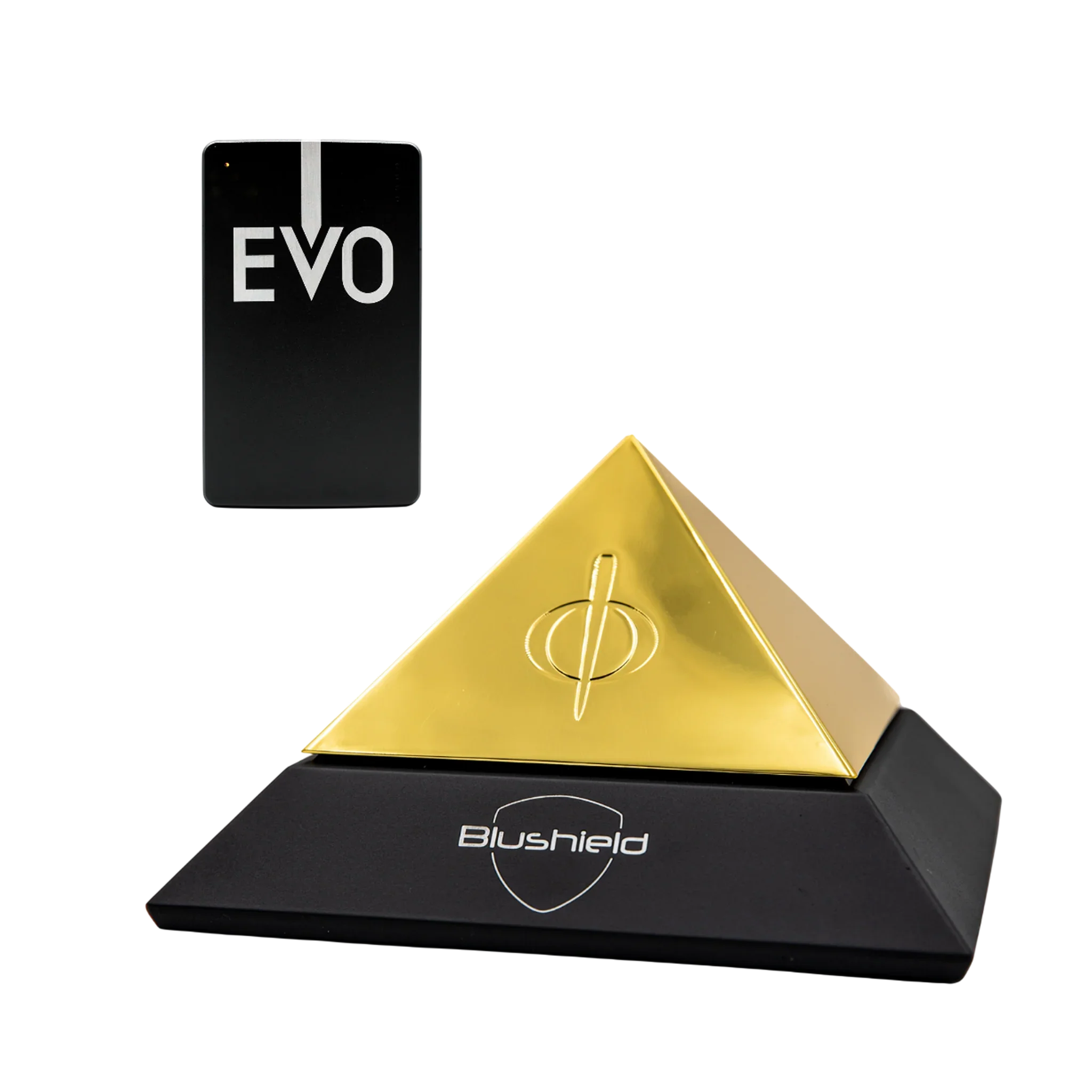
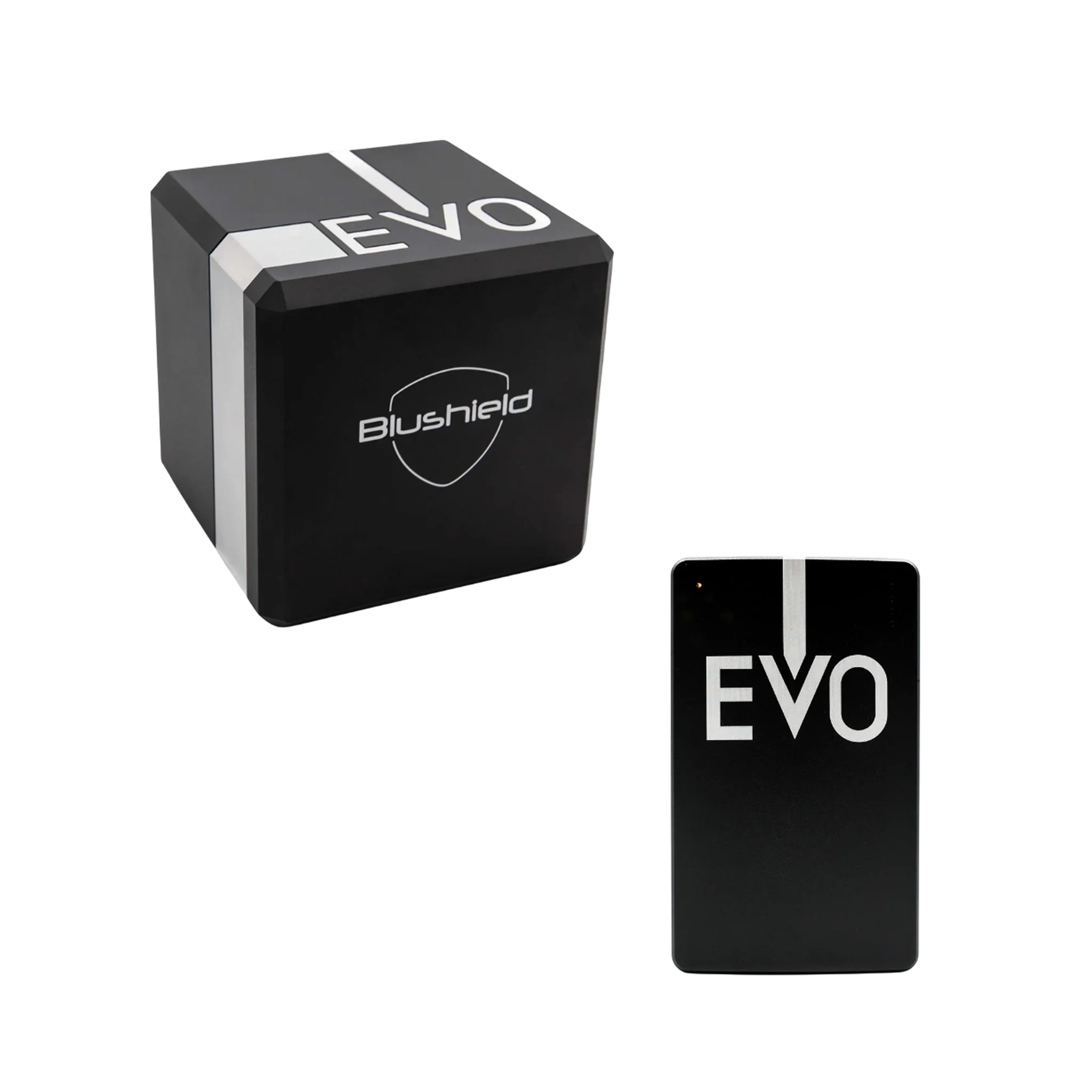
The idea and purpose of Blushield is to mimic the frequencies nature emits, but to do it in an active, powered way, amplifying natural frequency patterns so our bodies can “hear” them over the manmade EMFs. As long as the Blushield device you are using is strong enough for your body to hear it over the combined total of repetitive manmade EMFs around you (which will be unique to your situation), your Blushield will emit the dominant signal in your environment, and your body will “hear” or “tune into” this signal and begin to resonate with it.
This process of your body preferentially entraining to a dominant frequency stream that’s more biocompatible is called “sympathetic resonance”.
This doesn’t mean the EMFs go away, just that your body stops paying attention to them and reacting to them. When the body notices the harmful EMFs, it treats these unfamiliar and repetitive frequency patterns like it would treat an actual physical invader (like a virus or bacteria), and mounts an immune response to them, in an effort to attack and defeat them. The problem is, there is nothing physical there to attack and defeat, so the body exhausts itself continuously trying.
This immune system overreaction to repetitive frequencies is the primary reason that EMFs are harmful. If we had another frequency stream available to entrain to, one that was biologically coherent and similar to the way our bodies are designed, we would entrain to it like a tuning fork. Or like tuning into a different radio station. The other stations still exist, but we can’t hear them anymore, since we have turned the dial to a different station. What is interesting is that the biology demonstrates that the body is no longer negatively impacted by the EMF in the environment when Blushield is in operation and once the person is fully entrained. So it is not just ignoring the EMF, the body is actually harmonizing and optimizing its biofield, which is what a lot of these passive devices are claiming to do.
Blushield is an active, powered device that utilizes cutting-edge microprocessor technology. The nature-based, infinitely varied multiple waveform algorithms are programmed into the microprocessor. This extremely complex pattern is sent through a circuit to light-emitting diodes (which can produce scalar fields through photon emission), which encode the waveform patterns onto a scalar carrier signal that radiates hundreds of feet outward in an invisible sphere.
Because Blushield uses a scalar/longitudinal carrier signal, it is highly bioactive. The encoded frequency algorithm emits multiple waveforms at the same time, each conforming to patterns that occur in nature, such as the Phi ratio. The frequencies themselves are all within the human responsive range, which is a range of frequencies that occur in nature that are harmonious with biology. The multiple waveforms overlap in a way where they will never repeat in exactly the same way twice, with the same combination of frequencies at the same amplitude. This ensures that the body never develops a tolerance or resistance to the frequencies, so we will remain attuned to Blushield for as long as the device is plugged in or turned on.
Which EMF Protection Strategy is Right for You?
To wrap it all up and help you apply this to your unique life situation, how can you know which protection strategies will give you the most mileage and results?
We recommend basing your EMF protection on a combination of reducing EMF exposure in reasonable ways, and the appropriate strength Blushield device(s) for your living situation and needs. The active, powered nature of Blushield makes it far more powerful than any passive device, and it also stands out among active devices on the market with its revolutionary scalar microprocessor and infinitely varied frequency output based on natural patterns that have been with us as humans since the beginning of our time here.
If you want to add anything on top of that, go for it! We find that Blushield doesn’t seem to conflict with or negate other devices and approaches, and can be used in combination with most of them with no ill effect. In fact, if there are other frequency generators or devices being used, it will likely fill in the gaps or balance the body to anything that may not be in resonance or coherence with your body.
You can use Blushield with shielding materials, which will protect you from the scalar component of the harmful EMFs that travels through the shielding materials.
You can use Blushield with grounding/earthing sheets and mats, where Blushield could protect your body if the grounding influence is causing ambient EMFs to “ground” through you, which could potentially increase your EMF exposure.
You can use Blushield with stones and pyramids, and passive devices that emit subtle healing substances and frequencies into your environment. In this case, Blushield could be seen as your basic EMF protection, and any passive devices that actually work may add some energetic perks on top of that.
You can use Blushield along with PEMF and microcurrent healing devices, where it can negate any stress that may be caused by repetitive transverse frequencies these devices can emit, while still allowing your body to benefit from the targeted healing influence of these therapeutic style devices.
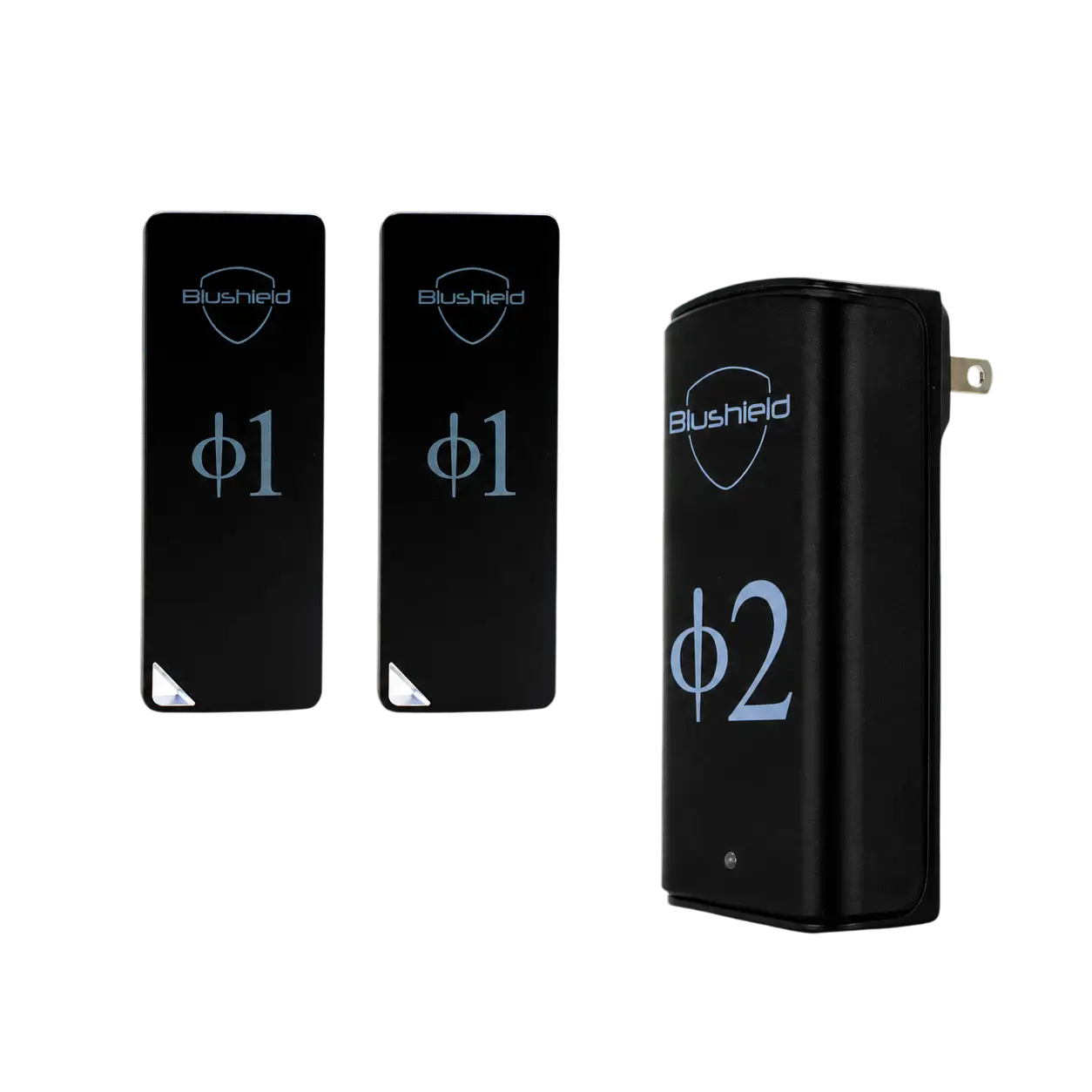
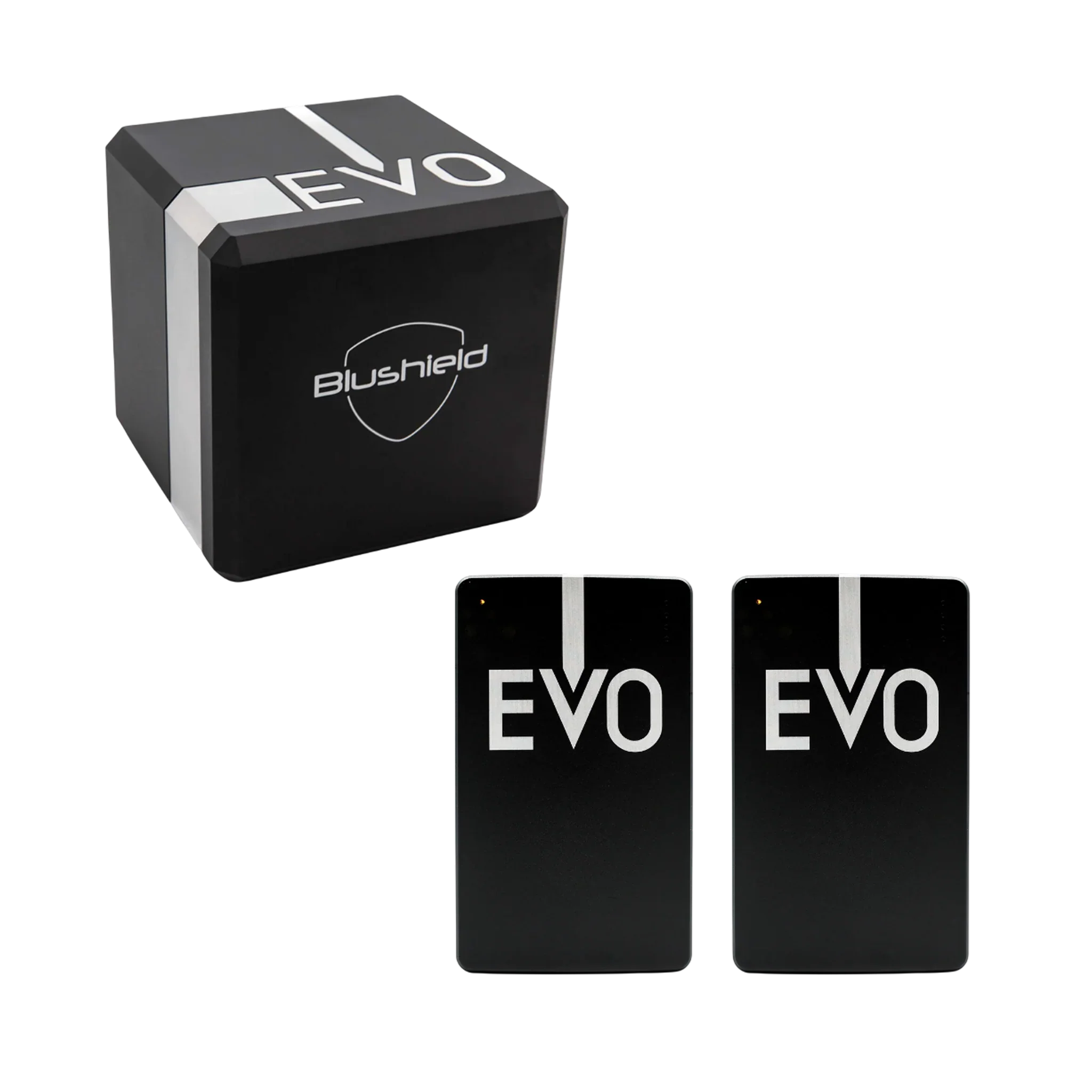
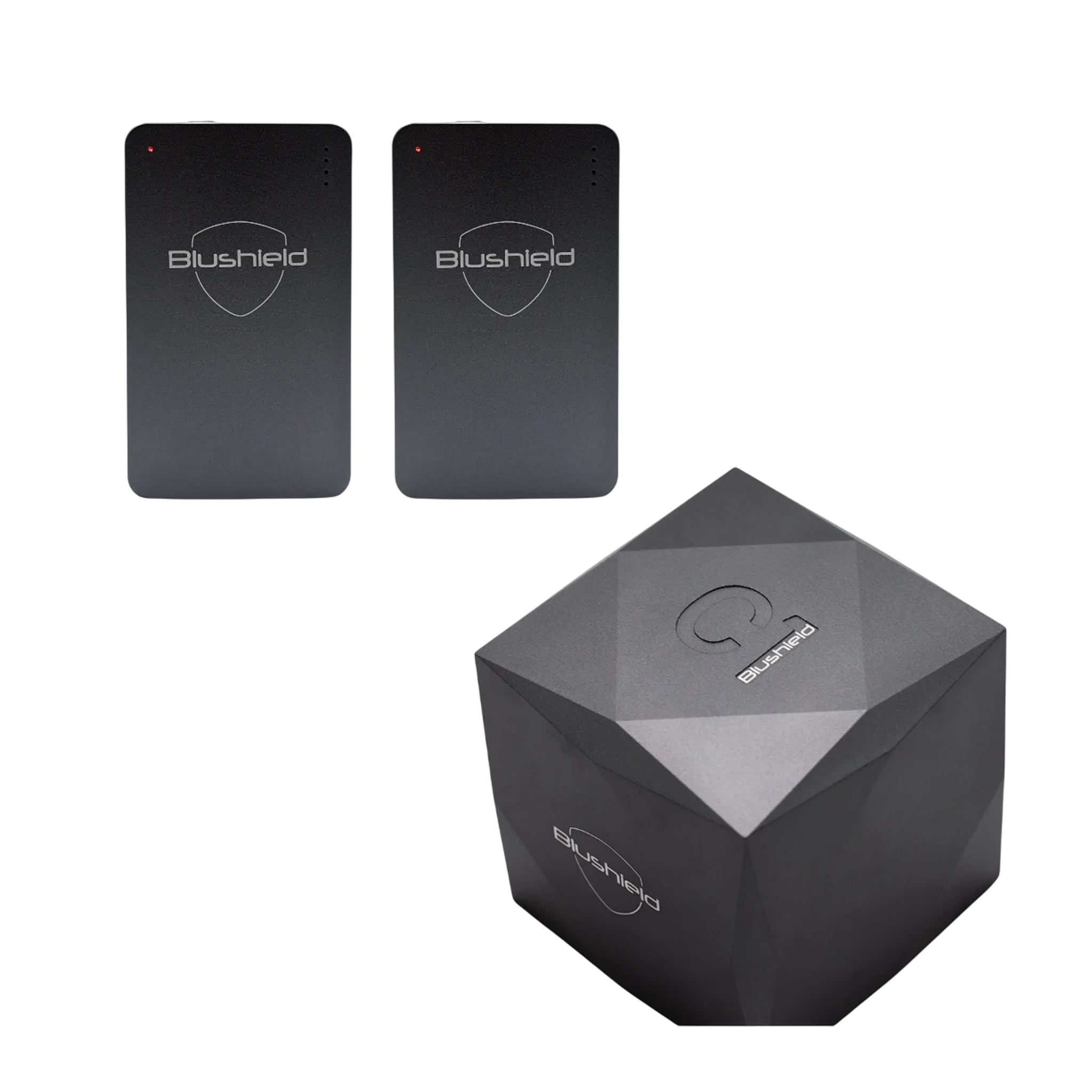
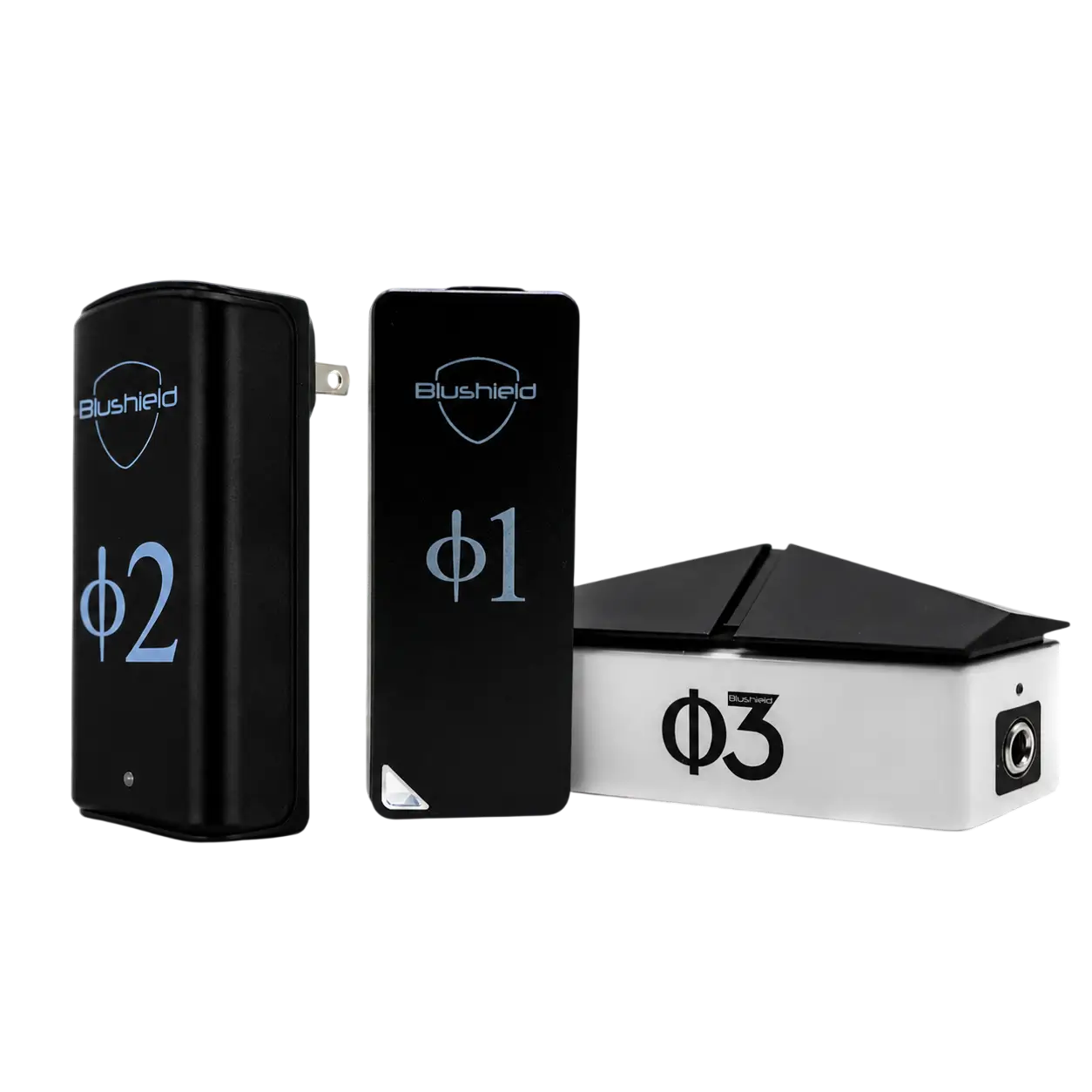
To find out which stationary home device and portable Blushield devices would be the best choice for your living situation and needs, please read our Blushield Product Guide. We have several models of home devices and portables, each designed for different situations and exposure levels.
We are always here to help you out if you need any more specific guidance, so don’t hesitate to reach out!
This post copyright ©2020–2026 Blushield USA. All rights reserved.
Unauthorized use and/or duplication of this material without express and written permission is strictly prohibited.
Explore more Articles
The Science of Stability: Why Powered EMF Protection Outperforms Passive Devices
In our increasingly hyper-connected world, the conversation around Electromagnetic Fields (EMF) has shifted from "if" we should protect ourselves to "how" we should do it. As we surround ourselves with 5G towers, Wi-Fi routers, and smart appliances, the market has been flooded with solutions ranging from stickers and crystals to sophisticated electronic resonators.
However, not all protection is created equal. To understand why some methods fail where others succeed, we have to look at the physics of signal dominance and the biological need for a coherent reference.
The Passive Problem: The Limitation of "No Power"
Passive EMF protection products such as shungite, specialized stickers, or unpowered pendants operate on the principle of attenuation or local field alteration. While these materials may have unique molecular structures that interact with frequencies, they face a fundamental "physics wall": they lack an internal energy source.
Without power, a device is purely reactive. It cannot create a signal; it can only respond to the signals already present in the room. This leads to three critical failures in a modern environment:
01. Lack of Signal Dominance
For the body to prioritize a "healing" or "balancing" frequency over the chaotic noise of a Wi-Fi router, that frequency must be dominant. Passive devices are essentially "whispering" in a room where the EMF environment is "shouting." Because they cannot project a field, their influence is limited to the near field usually just a few millimeters or inches from the object.
02. The Trap of Ambient Fluctuations
Passive devices are at the mercy of their environment. If the ambient EMF levels spike (like when you take a call or download a large file), the passive device has no way to scale its interaction. It cannot maintain a structured reference signal because it is constantly being "pushed around" by the very frequencies it is meant to harmonize.
03. No Timing or Pulse Control
Biological systems are highly sensitive to rhythm and timing. Active EMF protection often uses specific pulse-width modulation to mimic natural Earth frequencies (like the Schumann Resonance). Passive devices have no "heartbeat"; they lack the circuitry required for timing control, meaning they cannot provide the rhythmic consistency the body needs to stay grounded.
The Active Advantage: Establishing a Coherent Reference
Powered, dynamic signaling systems represent a different paradigm of protection. Instead of trying to block or absorb radiation which is nearly impossible in a modern home these devices focus on Active Resonance.
Building a "Safety Bubble"
A powered device uses a dedicated power source to emit a consistent, coherent, and structured electromagnetic field. Because this signal is generated internally, it is not dependent on the noise of the room. It creates a stable "reference point" that remains constant regardless of how many devices are active in the house.
Conclusion: Why Power Matters
In the quest for wellness in a high-tech world, we must choose tools that match the scale of the challenge. Passive materials certainly have their place in history and personal practice, but they lack the "active voice" required to compete with the high-output infrastructure of modern telecommunications.
If the goal is to create a true sanctuary a space where biology can rest independent of the changing electromagnetic tide a powered, dynamic system is not just an upgrade; it is a necessity. By establishing a dominant, coherent reference signal, we provide our bodies with the stability they need to thrive in the digital noise.
Did you know that your smart phone settings include a section that advises usage habits to reduce RF (radiofrequency) exposure?
This advice is included even though all smart phones proclaim that they are in compliance with the government’s SAR (Specific Absorption Rate) safety limits.
If the radiation emitted by cell phones was truly safe, why would they bother to tell you ways to reduce radiation exposure? Could it be because the SAR limits are outdated, and only address thermal (heating) effects of non-ionizing radiation exposure, and ignore the mounting evidence of harm from non-thermal mechanisms?
Let’s dive into this revealing topic that most people are unaware of, even though the majority of us are smart phone users.
You can check your own smart phone now. If you have an iPhone, just go into the Settings, then click General, and there should be a section called Legal and Regulatory. If you click that, and scroll all the way down, there should be a section titled RF Exposure. This may look slightly different on Android phones (like Samsung and Google Pixel), but you will find something similar if you investigate.
This section should display the results of the SAR test for your phone model, which of course will be within the “safe limits” for radiofrequency radiation exposure. If you have an iPhone, you may see something like this:
"To reduce exposure to RF energy, use a hands-free option, such as the built-in speakerphone, headphones or other similar accessories. Cases with metal parts may change the RF performance of the device, including its compliance with RF exposure guidelines, in a manner that has not been tested or certified."
Why advise reducing exposure, if the exposure level is already safe?
A Google Pixel phone we looked at, which tested at well within the SAR safety limits, even included this statement: “Keep the device away from your body to meet the distance requirement.”
What distance requirement? The SAR tests state that when the phone is placed directly against the head, or within 5mm of the torso of the body (to simulate the phone being in a pocket with a thin layer of clothing in between the phone and your skin), that you are “safe”, according to standard tests.
The Samsung S21 smart phone fine print informs that their SAR distance for safety is 15 millimeters, which is equivalent to more than half an inch. Most people place their cell phones directly against their head when making calls, as they have never been informed to do otherwise. If a Samsung S21 phone user is making calls in this way habitually, the company’s own recommendation implies that the user may be exposed to unsafe levels of RF radiation on a regular basis. Yet, this is not widespread knowledge, and is only in the fine print that most people don’t know exists!
Samsung also states, “Specific Absorption Rate (SAR) certification establishes a minimum recommended distance from a person’s body for safe operation of RF-emitting devices. Body-worn operations are restricted to belt-clips, holsters or similar accessories that have no metallic component in the assembly and must provide at least 1.5 cm (3/4 in.) separation between the device and the user's body.”
Did you ever hear any of this from a cell phone TV commercial or online advertisement? We certainly haven’t.
Pharmaceutical drugs are legally required to list their “fine print” of potential side effects, even on TV commercials. Why aren’t cell phone companies required to at least give you a brief warning about RF radiation exposure before you purchase their products, and suggest ways to reduce exposure?
It’s also important to note that having Wifi and Bluetooth enabled on your smart phone will significantly increase the RF radiation output of the device. Many people keep both of these turned on continuously or at least periodically, and do not consider the additional radiation exposure they may be getting, which may often be higher than the SAR safety limits.
The Specific Absorption Rate (SAR) limits are too high, and not healthy
Cell phone companies and the FCC seem to enjoy splitting hairs about the details of the SAR limits, and are quick to point out that the SAR test scores that phones list are at their maximum radiation output, implying that most usage is going to fall at far lower levels than the output listed on the test results.
If we’re going to argue at this level, it’s good to know that many phones may not actually be compliant at all, according to independent tests performed in 2019. If the cell phone company itself performs the tests, and the results can’t be replicated independently, then can we trust them in the first place?
However, let’s move past this type of nitpicking for now, and talk about why the SAR limits are inherently flawed and dangerous in the first place.
As stated earlier, the Specific Absorption Rate is only testing the thermal effects of cell phone radiation, meaning how much it heats localized tissue. That is the only mechanism of harm that the telecoms and FCC are willing to admit to. For a minute, let’s pretend that this is the only mechanism of harm. Even if that were true, there are significant flaws with the SAR safety limits.
The SAR safety limit was originally set in 1996 – 30 years ago. They modeled the body proportions of Army personnel, who are generally large, fully grown men, often around 6 feet tall and 200 pounds. This model does not come close to representing smaller and more developmentally vulnerable populations like children, teenagers and pregnant women. Grown men are generally the most resilient category of humans to toxic exposures of all types, whereas babies, children and developing embryos and fetuses are the most fragile. Babies and children have smaller heads, thinner skulls and rapidly developing brains that are highly vulnerable to harmful environmental influences, including wireless radiation.
The SAR rate that was set in 1996 has not been updated at all over the past 30 years, even as new cell phone technology and usage habits have evolved seemingly at light speed. The maximum distance that a phone could be tested at to achieve compliance was up to 25 millimeters, which is much further from the body than where today’s phone users keep their phones. The 25mm distance was set because in the ‘90s, people often carried their flip phones on belt clips, which were about an inch away from their body. Almost no one uses belt clips anymore, and most often, the phone is carried in a regular pocket, which is generally only 2mm away from body tissue, especially vulnerable reproductive organs like the ovaries and prostate. Guidelines have not been updated to reflect changing habits of users, nor have users been adequately warned of the potential harm of keeping their phone that close to the body.
There is also no consideration for long term exposure. Regulations are set based on immediate effects, with no thought for the many decades of consistent cell phone and other wireless radiation exposure that most modern people, especially young people, will experience in their lifetimes.
Regulations also do not acknowledge the fact that people generally no longer carry just one wireless device with them, but use multiple RF emitting devices regularly: cell phones, tablets, Bluetooth speakers and headphones, vehicle GPS devices that connect to Bluetooth, smart devices that connect to your smart phone, and much more. All of these sources multiply our RF exposure to levels that are currently unknown, and unacknowledged by official government and telecom industry sources.
We are stuck with the ancient 1996 SAR guidelines, which were created in a vastly different technological world than the one we live in today.
Thermal effects are not the only concern with wireless radiation
Lastly and most importantly, the SAR safety standards are based on the (proven erroneous) assumption that the thermal effect is the only way that cell phones can cause harm.
In the early 2000s, the National Toxicology Program, an arm of the U.S. Government’s National Institutes of Health, performed the largest, longest study on the health effects of cell phone radiation that had ever been done up to that point. Their stated intention for the study was to find out whether there were non-thermal health risks to cell phone use, since the only safety guidelines that existed at that point were the SAR safety limits, which were only based on thermal exposure risks.
This is an entire story in itself, but suffice to say that considerable harm related to cancer and DNA damage were found – results that were surprising to everyone involved in the study. After a brief period where a peer review panel of experts declared that the study was well performed and showed clear evidence of cancer and DNA damage, the government agencies involved subsequently pivoted in their opinion and decided that the study was NOT relevant to human exposure. If you haven’t yet read this whole story, you will want to, as it shows beyond any doubt how egregiously biased the United States government is towards siding with the telecom industry.
$30M National Toxicology Program Study Shows Cell Phone Radiation is Carcinogenic (full story)
The most important thing to realize is that science shows that non-ionizing radiofrequency radiation, at below-thermal levels, can be harmful to health. Whether or not a mechanism has been definitively recognized that accounts for this non-thermal harm, the harm itself has been documented in hundreds to thousands of studies, many of which you can read about here.
If you’re interested in purported mechanisms of non-thermal harm, the most probable theory at this time involves the voltage-gated ion channels of the body, and how external electrical signals trigger these highly sensitive voltage-mediated channels to flood various minerals (especially calcium) into the cells, triggering a cascade of unintended and unwanted effects. This mechanism has been extensively studied by Dr. Martin Pall, and has been discussed in at least a dozen of our other articles.
Don’t fall into the trap of blind trust – protect yourself
Ignorance of the truth won’t protect you. It is the fault of the government and telecom companies that it isn’t common knowledge that your daily wireless device usage may cause health issues over time. However, it is your responsibility to educate yourself, and to protect yourself as well as you can. Most people are not going to give up their cell phones entirely, but there are things you can do to significantly reduce your exposure:
- Never carry your cell phone in your pocket, or anywhere against your body, unless it’s turned off, or set to airplane mode.
- Never sleep with your cell phone near you, unless on airplane mode with Bluetooth and Wifi disabled, and even then be sure it’s at least a few feet away – definitely not under your pillow or near your head.
- Never hold your phone up to your head when you talk. Instead, use speaker phone or an AirTube headset (which has a tube of air instead of wires all the way to your ears) to make calls.
- Limit your children’s cell phone and tablet exposure, and be cautious during pregnancy and around babies.
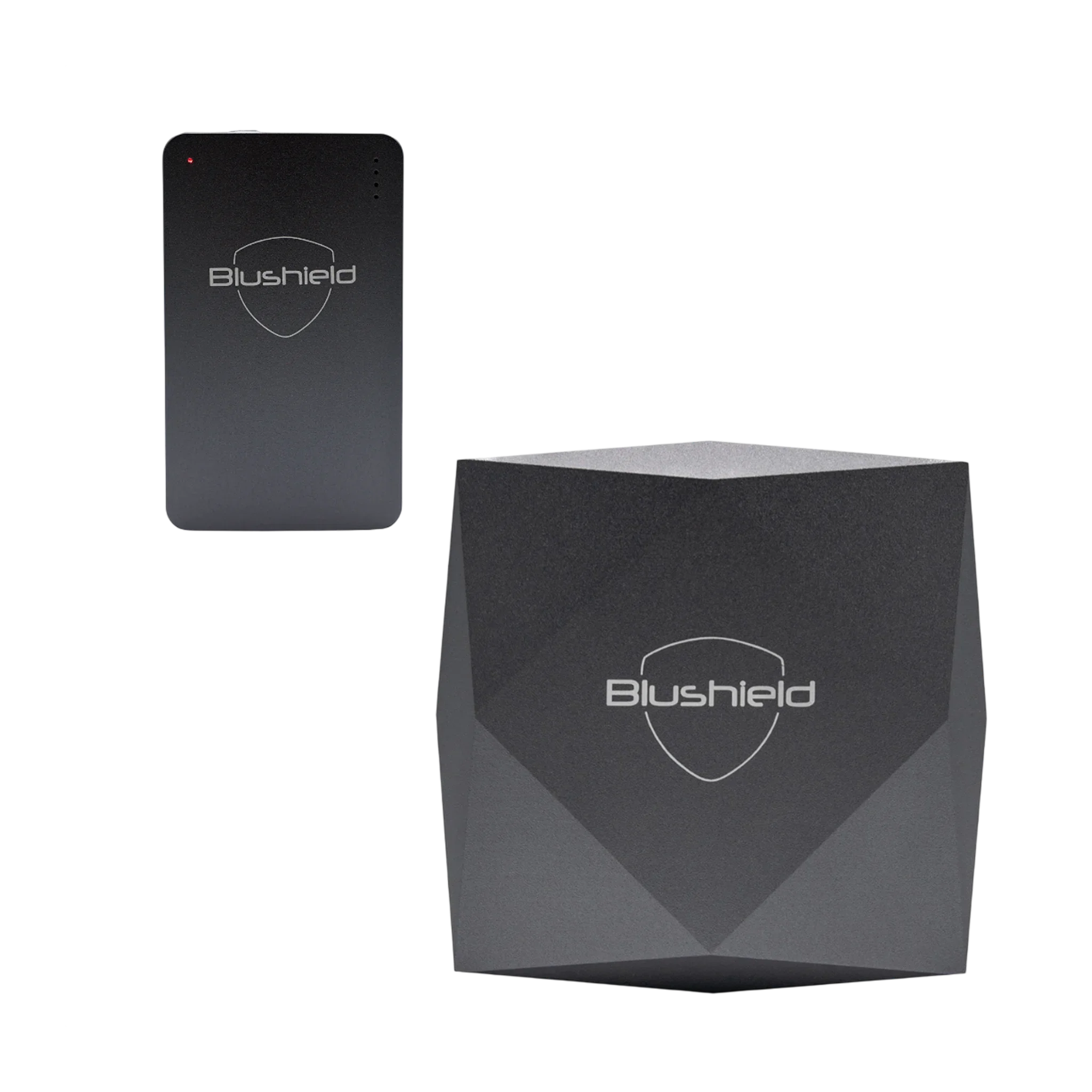
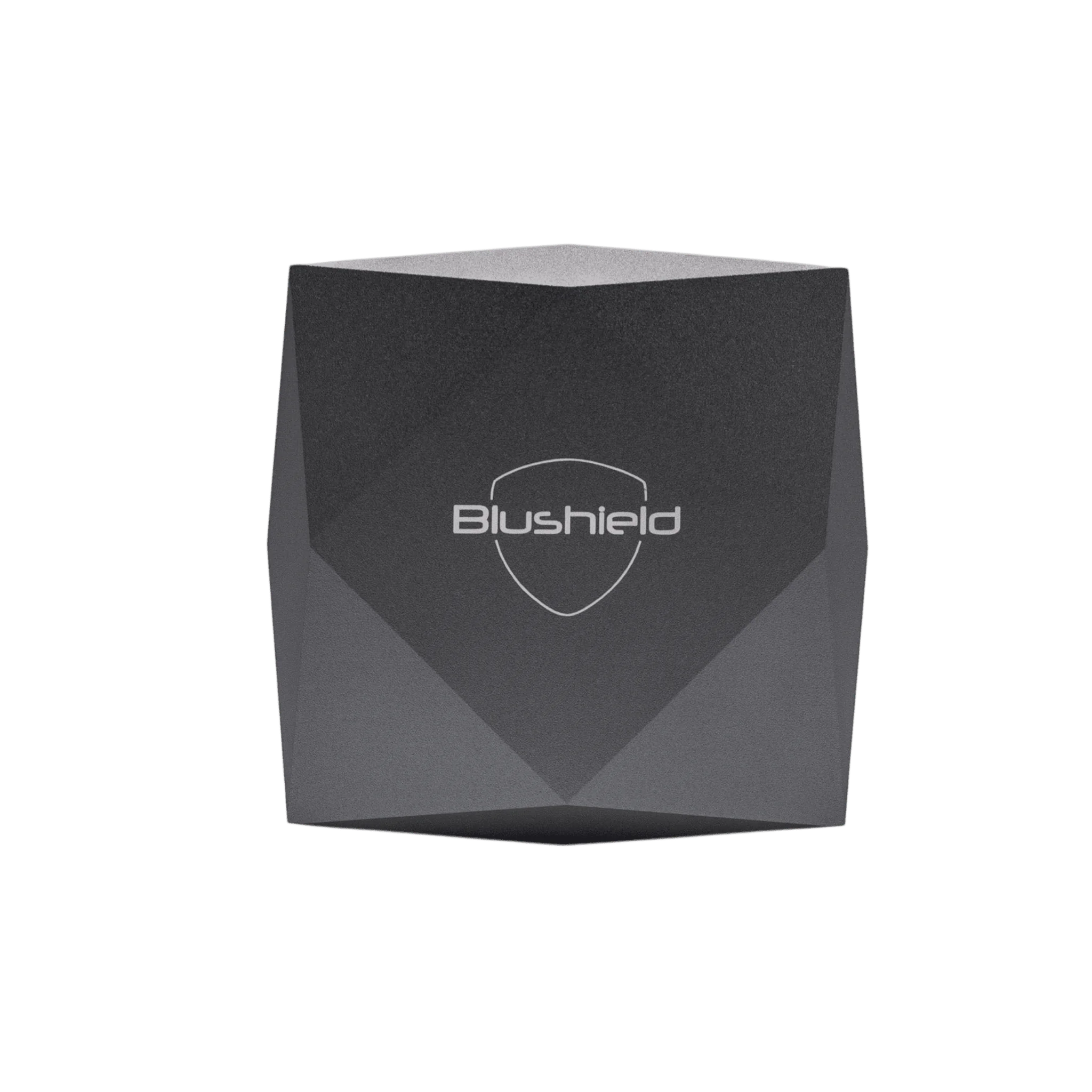
To protect your body from any remaining radiation exposure, since you can’t control a lot of the RF exposure sources around you, be sure to protect your home with a stationary Blushield device of the appropriate strength for your overall EMF exposure levels, and carry a Blushield portable device with you anytime you’re on the go.
Blushield devices were demonstrated in a 2023 clinical study to calm overactivation of the voltage-gated calcium channels back to normal levels – VGCC overactivation is widely thought to be the primary mechanism of harm from EMFs, as we touched on earlier. A variety of other statistically significant health improvements were recorded, as well, showing that even if the mechanism of harm from non-thermal EMFs is more complex and nuanced than we currently know, that our EMF protection technology is broadly beneficial in regulating physiology back to a healthier state.
References:
- Apple iPhone RF Exposure Information – https://regulatoryinfo.apple.com/rfexposure/iphone18,1/en
- Samsung Galaxy S21 Radiation Levels – https://www.rfsafe.com/phone/samsung-galaxy-s21/
- Blushield: “New Proof that Cell Phones Are Not Safe” – /blogs/new-proof-that-cell-phones-are-not-safe
- Blushield: “$30M National Toxicology Program Study Shows Cell Phone Radiation is Carcinogenic” – /blogs/30m-national-toxicology-program-study-shows-cell-phone-radiation-is-carcinogenic
- Bioinitiative Report (updated in 2022) – https://bioinitiative.org/table-of-contents/
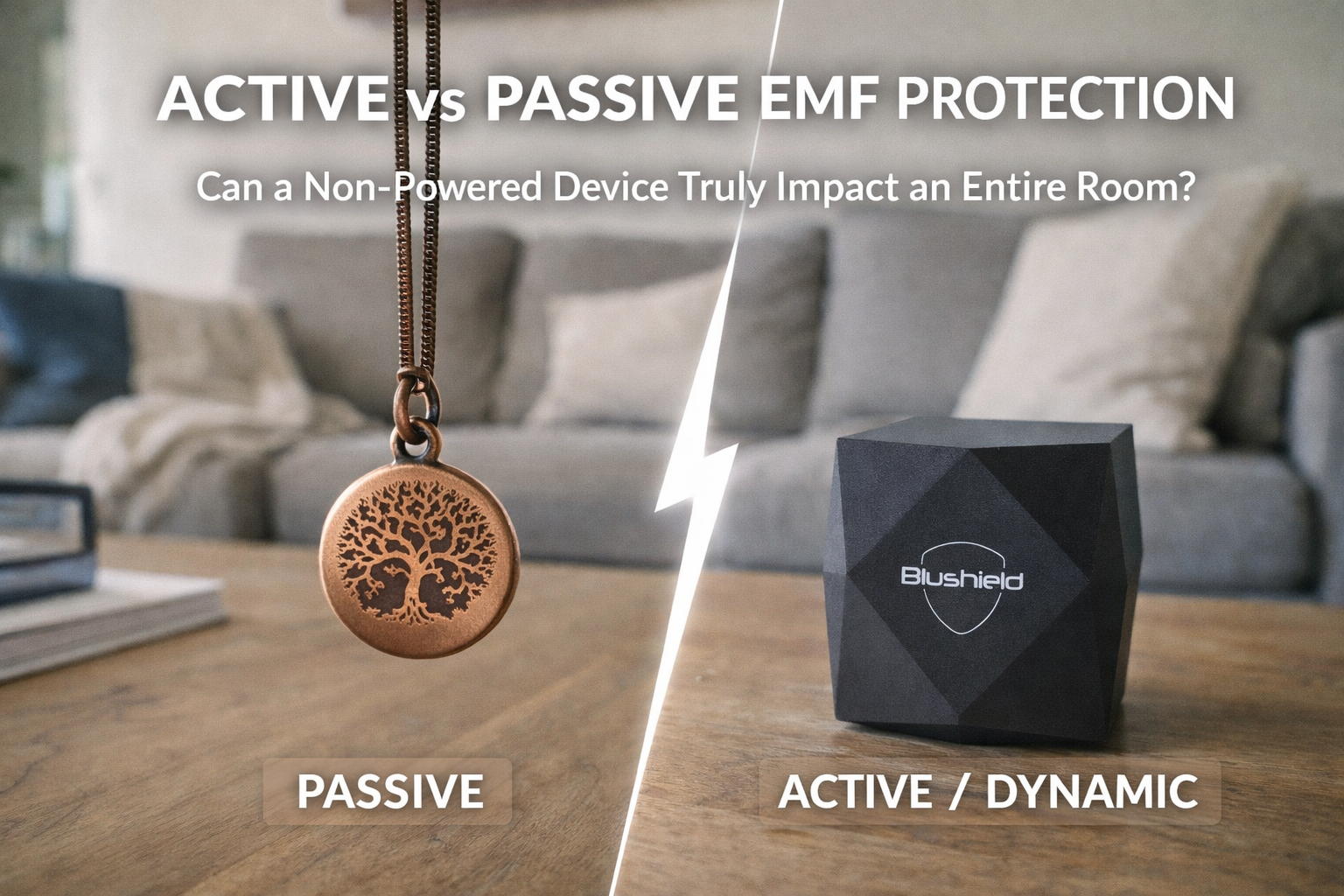
Why I ultimately chose active and dynamic field signalingMy name is Brandon Amalani and I have been running Blushield.com for nearly ten years.People regularly ask me about passive EMF protection devices and whether they are reliable or effective at protecting biology from man made electromagnetic exposure. That question comes up more now than ever, especially as passive devices have become extremely popular in recent years. I want to be very clear from the beginning that this article is not an attack on anyone or any company. It is an honest attempt to explain what I have learned about physics, biology, and signal behavior after a decade of working directly in this space.I originally got involved with Blushield after personally exploring many of the options available at the time. Most of what existed were passive EMF devices such as stickers, pendants, resonator chips, cards, and other non powered products. There were also shielding materials, grounding strategies, and constant single frequency generators. I tested all of these myself and spent a lot of time learning where each approach worked and where it clearly did not.That was about ten years ago. Since then I have worked closely with inventors and researchers in the electro therapy space and continued my education across multiple disciplines including cold plasma technology, photobiomodulation, PEMF system design, cellular biology, nutrition, and herbalism. Having this cross-disciplinary perspective has been critical in helping me understand how the human body functions as an electromagnetic system and how it interfaces with both natural and man made fields.Over the years I have noticed a shift in how passive EMF devices are discussed and marketed. Many educators and companies have moved away from older language like depolarizing EMF or harmonizing waves, and are beginning to use more nuanced terminology around coherence and biological signaling. That shift is a step in the right direction. However, based on what people share with me and what I continue to observe, there is still a great deal of confusion around the actual physics and biology involved.There are really three categories worth discussing. The first category is passive EMF devices. These devices have no power source. They claim to harvest ambient electromagnetic radiation and reorganize or modify those fields in a way that reduces biological stress. They often rely on geometry, fractal patterns, holograms, microchips embedded in pendants, or specific material combinations. The second category is active EMF signaling devices. These devices are powered systems that intentionally emit weak structured signals. They do not claim to overpower ambient EMF. Instead they claim to bias biological systems toward more coherent endogenous signaling and improved physiological resilience. The third category is what I would call active and dynamic signaling systems. Blushield falls into this category. It is active because it generates a field using an internal power source. It is dynamic because the signaling changes over time in a coherent way, more closely resembling the constantly shifting electromagnetic environment found in nature.To be clear, many of the concepts used to justify passive devices are not crazy or unscientific. Electromagnetic fields do have polarization. Geometry can influence how fields interact with materials. Fractal antennas exist in real engineering applications. Metals can couple to radiofrequency energy and act as grounds. Passive objects can scatter or redirect fields locally in the near field. All of that is true. This is why claims like an intentionally designed resonator can reorganize harmful EMFs and make them less biologically stressful sound persuasive on the surface.The issue is not the concepts themselves. The issue is scale, control, and guarantees.A passive resonator may produce higher local field intensity at specific frequencies by storing energy temporarily, much like a tuned antenna. However, this is concentration, not amplification in the engineering sense. Without an internal power source and maintained oscillation, a passive device cannot generate a dominant reference signal or enforce coherent structure across a room-scale environment.Without power, a device cannot control timing, phase, modulation, or coherence. It is entirely dependent on whatever ambient electromagnetic environment happens to be present at that moment, which is constantly changing. Geometry without power has no authority over signal behavior. Passive devices can respond to fields, but they cannot impose order on them.Over the years I have had many conversations with inventors working in active electromagnetic systems, including plasma based technologies. One important distinction that comes up repeatedly is that plasma can behave like a fractal antenna because it is an active medium with mobile charge carriers and energy input. That is fundamentally different from static geometry, etched holograms, or water/copper coil circuits which do not maintain oscillation, timing, or coherence on their own.Fractal antennas are real in engineering. However, they require specific parameters such as tuning to defined frequency ranges, feed points, impedance control, and known boundary conditions. A static hologram etched onto a pendant or card does not dynamically store electromagnetic information, adapt to changing environments, or enforce coherent signaling. It is a constraint, not a reference. Plasma systems can act like fractal antennas because they are active. They contain mobile charge carriers, dynamic oscillation, and energy input. That is a fundamentally different physical system than a static etched interference pattern. Calling both of these fractal antennas is a category error.One question that always stood out to me was how passive devices claim to cover large areas with no internal power source. Passive devices may slightly alter local coupling when worn on the body. That is plausible. What is not clear is how they could control room-scale fields or guarantee uniform effects across space. If a device truly created a dominant room-scale field, orientation, placement, and surrounding electromagnetic conditions would not matter. In reality, indoor EMF environments are dominated by near field sources such as laptops, phones, routers, and wiring. These signals reflect off walls and floors, creating standing waves and nulls. The result is a highly patchy and inconsistent field landscape. A small passive device only interacts with the local field where it is placed. It cannot average or reorganize an entire room. Its behavior will change depending on proximity to sources, wiring, and the body itself. That tells us the environment is in control, not the device.Passive devices have no internal timing reference, no phase authority, and no feedback mechanism. A passive microchip or circuit does not qualify as an internal reference because it does not actively maintain timing, state, or phase. Geometry and materials can constrain how a device responds to incoming signals, but they cannot enforce or stabilize a desired signal state. A reference requires actively maintained timing or coherence. Passive systems do not have that capability.Depolarization is another concept that has been widely misunderstood. Polarization refers to the orientation of the electric field. Coherence refers to phase stability and predictability over time. These are not the same thing. Modern radiofrequency environments are already spectrally complex, weakly polarized, and highly incoherent. Further depolarizing these fields simply adds randomness. It does not restore order. You cannot fix incoherence by adding more noise.In recent years many companies have used portable EEG devices to demonstrate before and after changes in brain activity. EEG can certainly reflect changes in mental state such as relaxation, attention, novelty, or expectation. It is extremely sensitive to posture, breathing, emotional framing, and context. What EEG cannot demonstrate is environmental EMF control, room-scale field effects, or mechanism of action. EEG does not measure cellular health, gene expression, calcium channel behavior, oxidative stress, or electromagnetic exposure levels. It tells you that a brain state changed, not why it changed. A device worn on the body could plausibly induce a local coupling effect. That does not mean the surrounding environment was altered. Small numerical changes can also appear dramatic depending on visualization choices and color scaling when creating before and after images.After evaluating many testing approaches, we chose to pursue the most rigorous path available to us. Rather than relying on internal or externally sourced white papers or theoretical models, we conducted an independent review board certified clinical trial in the United States. The results were published in a peer reviewed medical journal. We demonstrated significant changes in VGCC gene expression along with other physiological markers. This type of research is expensive and time consuming, but it aligns with the actual biological mechanisms being discussed.Biological systems are oscillatory, nonlinear, phase sensitive, timing dependent, and reference driven. This is why natural light cycles, geomagnetic fields, and environmental rhythms are so important to health. Biology does not simply respond to less stimulation. It responds to better organized information. The real question is not whether we can remove all EMF. It is whether we can provide a stable coherent reference that biology can lock onto.Active and dynamic signaling systems can do this. Passive systems cannot. Powered systems introduce a reference signal with internal timing and structure. That signal behaves consistently across environments. It improves signal to noise at the organism level. Passive systems have no phase authority, no internal timing, and no ability to resist environmental variability. They react to chaos, scatter chaos, and depend on chaos for their function. That is the opposite of what biology needs.Even mainstream EMF literature points to mechanisms such as VGCC activation, calcium influx, oxidative stress, and redox imbalance. An active coherent field can plausibly bias ion channel behavior, reduce stochastic noise, and support mitochondrial coupling. A passive scatterer cannot target these mechanisms or maintain biological reference states. Passive devices attempt to reorganize biology by harvesting incoherent ambient radiation. Active devices introduce order.We have been recommending Blushield for years as ones primary source of protection. Recently we introduced another technology that we found to pair perfectly with Blushield as the ultimate EMF protection stack.First, let’s look at the environment a bit closer.Modern EMF exposure isn’t just coming from wireless signals in the air. It also comes from the wiring inside our walls. Digital devices, switching power supplies, and LED drivers inject high-frequency transients and sharp voltage edges onto the 50/60 Hz electrical sine wave. That noise doesn’t just stay in the wires, it turns the wiring itself into a secondary source of electromagnetic variability.Blushield operates in the radiated domain by introducing a low-power, internally timed reference signal that remains stable even as the surrounding RF environment changes. It does not attempt to overpower external sources. Instead, it provides a consistent signal structure that biology can bias toward.SineTamer works at the electrical layer by reducing high-frequency transients and rapid voltage fluctuations on the building’s wiring. By lowering broadband electrical noise, it reduces the background variability that wiring can radiate into living spaces.Together, these two approaches address different layers of the same problem: one introduces structured reference signaling, the other reduces injected electrical noise. The result is not “shielding,” but a shift in signal organization and environmental stability.I genuinely want passive devices to be highly effective. I also want Nikola Tesla’s dream of a small portable device that produces clean energy from ambient energy to be real. But wanting something to be true does not make it physically possible yet. After ten years of experimentation, education, and direct testing, active and dynamic field signaling remains the most plausible approach I have seen for supporting biological resilience in modern electromagnetic environments.

Product updates
Practical tips for low-EMF living
New releases
Exclusive promotions
Frequently asked questions
Invisible forces are part of modern life, but their impact doesn’t have to define you. Blushield works quietly in the background, supporting a more stable, balanced internal state so you can focus, rest, and perform at your best.
It doesn't block or shield EMF. Instead, Blushield is designed to support the body's natural response to everyday electromagnetic exposure. By focusing on biological support rather than altering environmental signals, it takes a different approach to EMF protection.
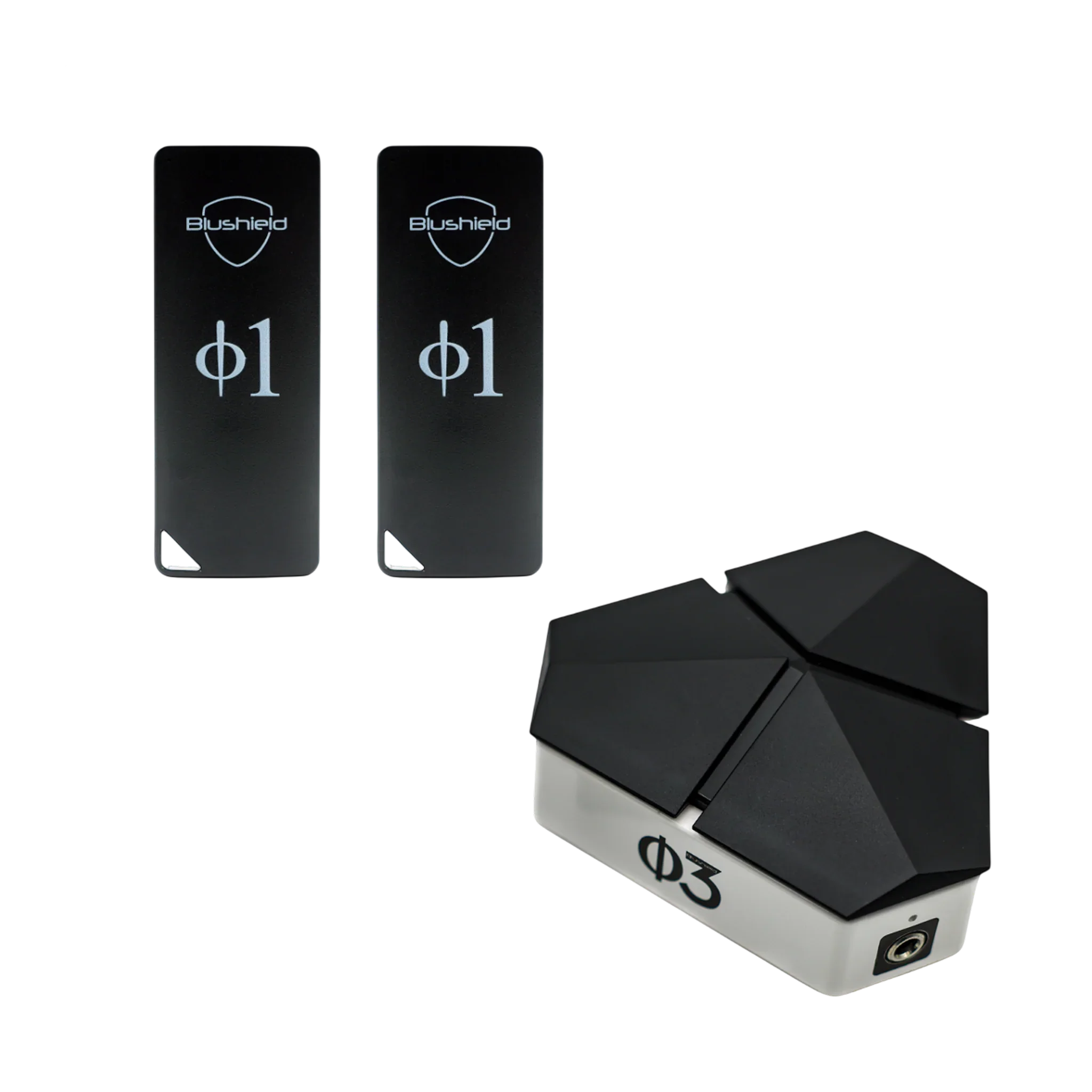
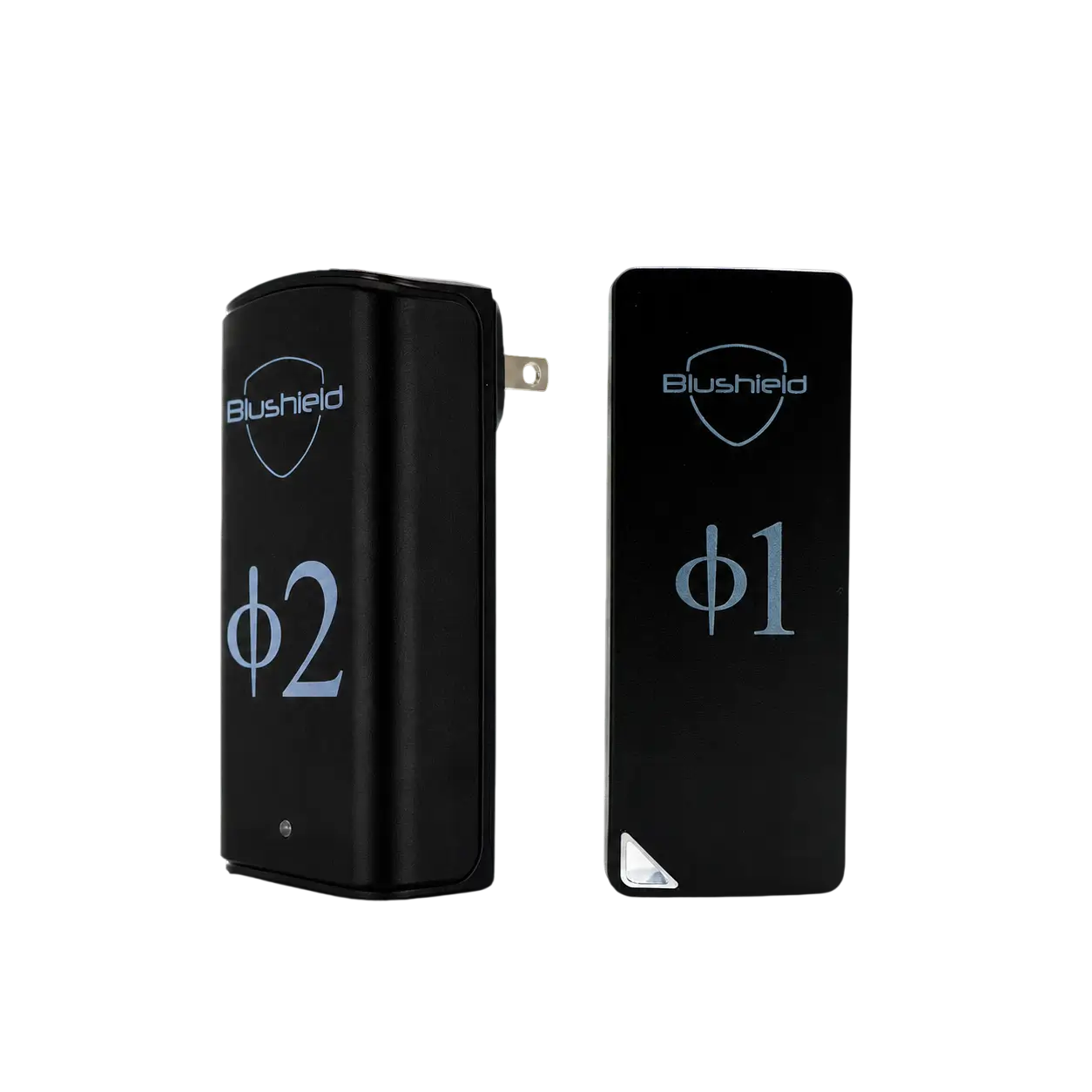
Plug-in units (Premium, Ultimate, Phi) cover your home. Portables cover you when you leave it. Most people start with one of each: a plug-in for the house and a portable for travel, work, and the car. If you're not sure, use our Find Your Device tool or message us.
30-day limited money-back guarantee on every device (restocking fee applies - see our full return policy). Stationary and portable units carry a 1-year warranty. If anything extends past that, contact us.
Yes. EMF meters measure intensity, not biological impact. Even low-level exposure from Wi-Fi, Bluetooth, smart meters, cell towers, and nearby homes accumulates 24/7. Blushield works on the body's response, so it helps regardless of what a meter reads.
Some people feel calmer or sleep better within the first night. For others it's a few weeks of gradual change - better focus, deeper sleep, and less fatigue. A small number notice a short adjustment period as the body recalibrates. Everyone responds differently, so give it time to become part of your daily environment and let the benefits build naturally.
Yes. Blushield is built on decades of research into how the body responds to coherent vs. incoherent electromagnetic signals. We have independent studies, HRV data, and live-blood analyses on our Science page. We don't make medical claims. We point you to the data and let you decide.