.svg)










.png)
.png)





























.png)


.jpg)


.svg)
-cropped%20(1).svg)
.svg)
Antioxidant Vitamins C & E Protect from EMF Induced Oxidative Stress
Article by
Brandon Amalani
September 27, 2024


.webp)

Oxidative stress from free radical production in the body is a pervasive issue that can significantly impact our lives and our health, and potentially cause or contribute to degenerative disease, especially in modern times.
Through our normal metabolic processes (the conversion of food into energy through oxygen), our bodies naturally produce a small but consistent amount of free radicals as a byproduct. Our immune system also creates free radicals intentionally to destroy harmful elements that have invaded the body, such as viruses and bacteria, by oxidizing their cell membranes. Free radicals are essential to cell signaling and wound healing, as well as degrading and recycling damaged cells. In the right amounts and applied in the right situations, free radicals serve a vitally important function in maintaining the health and survival of the body. The danger lies in the excessive amounts triggered by the many modern sources of toxic exposure, which overwhelm the body's antioxidant defense system, leaving us vulnerable to chronic illness.
Free radicals are highly reactive molecules with unpaired electrons in their outer electron shell, making them unstable and prompting them to ‘steal’ electrons from nearby molecules to stabilize themselves, which causes oxidative stress. If there are not enough molecules in the area with extra electrons and the ability to donate them to subdue the unstable free radicals, they will grab electrons from the membranes of healthy cells, creating a vulnerability and damaging the cell.
Types of free radicals include reactive oxygen species (ROS) like superoxide, hydroxyl radical and hydrogen peroxide; and reactive nitrogen species (RNS) like nitric oxide. These can even combine to produce more highly reactive and harmful substances, such as peroxynitrite, which is created when nitric oxide interacts with superoxide.
Molecules in the body that effectively neutralize free radicals by donating or receiving an electron to protect the body from the harmful effects of oxidative stress are called antioxidants.
Antioxidants are defined as substances with the ability to donate or receive electrons to stabilize free radicals, without becoming destabilized themselves. Some types of antioxidants are endogenous, meaning they are produced from within the body. These include glutathione, melatonin, catalase, and superoxide dismutase. Endogenous antioxidants are the body’s internal defense against being harmed by the chain reaction of free radicals, which would otherwise proliferate unchecked, causing significant cell damage and cell death.
Additionally, many antioxidants come from dietary sources, including some that are considered essential nutrients. These include vitamin C, vitamin E, selenium, magnesium, zinc, beta carotene, folic acid/folate, and various flavonoids and polyphenols, including lycopene, quercetin and catechins. Some of these (including vitamins C and E) act as antioxidants on their own, while others support the enzymes involved in the body’s antioxidant system. Selenium is an essential component of the enzymes that produce glutathione peroxidase, while magnesium is necessary for the activation of the enzyme superoxide dismutase (SOD).
Some of the most important and biologically active dietary antioxidants are vitamin C and vitamin E. They work together synergistically, as they function in different areas of the body, together scavenging free radicals throughout the entirety of the organism.
Vitamin E is fat soluble, and protects the lipids of the cell membranes from oxidation. Cell membranes are rich in polyunsatured fatty acids (PUFAs), which are highly susceptible to oxidative damage. This process of lipid peroxidation is prevented by adequate vitamin E levels in the body, which is especially important in areas with a high fat content, like the brain, nervous system, heart, lungs and skin.
Vitamin C is water soluble, so it works in the watery parts of the body, including the bloodstream and the cytosol, the fluid portion of the cell between its outer membrane and nucleus/core. It is particularly important for optimal immune system function, as well as wound healing, collagen production, and utilizing iron from plant foods.
After vitamin E has donated an electron to neutralize a free radical, it then becomes oxidized itself. The oxidized form of vitamin E is called tocopheryl radical. However, unlike free radical molecules, vitamin E remains relatively stable in its oxidized form. The only problem is it’s no longer useful as an antioxidant.
This is where vitamin C comes in. Vitamin C has the ability to regenerate oxidized vitamin E back into its active form, so it can continue its protective role in lipid-rich environments. Vitamin C will then become oxidized by donating an electron to regenerate vitamin E (oxidized vitamin C is called dehydroascorbate), but it’s easily regenerated back into its active form by endogenous processes, usually involving glutathione.
This a powerfully synergistic combination that can significantly assist the body in defending itself from excess oxidative stress and the harm it can cause to our overall health.
The overall process of transferring electrons between substances, which changes their oxidation state, is called the redox reaction (short for reduction-oxidation). A substance that donates electrons (such as an antioxidant) is called the reducing agent, and a substance that accepts electrons is called the oxidizing agent (such as a free radical when interacting with an antioxidant).
A perfect example of a redox reaction is how hydrogen and oxygen combine to produce water (H2O). Two hydrogen molecules each donate their sole electrons to one oxygen molecule, which contains six electrons in its outer shell and readily seeks two more to fill all eight spaces available in its electron shell, which is its most stable form. In this example, hydrogen is the reducing agent (the electron donor) and oxygen is the oxidizing agent (the receiver).
The inherent instability of the oxygen molecule explains why oxygen so frequently and easily turns into water, and it also explains why the oxygen molecule itself can act as a free radical in the body, if antioxidant levels are insufficient. Excess oxygen in the body, beyond what is needed for cellular energy production, is converted into H2O by our internal antioxidant defense system.
Without antioxidants, free radicals create a path of destruction by stealing an electron, which creates a new free radical that finds another electron to steal, resulting in a chain reaction that can wreak havoc on the healthy cells of the body. As soon as an antioxidant like vitamin E neutralizes one free radical in the chain, the whole process of destruction grinds to a halt.
Oxidative stress occurs if the antioxidant defense system is unable to prevent the harmful effects of free radicals, which can happen if free radical levels in the body exceed the capabilities of the antioxidants we have available. If our diet is deficient in antioxidant sources, we are more susceptible to damage from oxidative stress, as our antioxidant defense system won’t be as fully equipped.
The health risks of oxidative stress, and the many modern exposure sources
Since excessive oxidative stress damages cells, proteins, and even DNA itself, the potential harm affects every system of the body, and can contribute to various diseases and conditions. It affects the cardiovascular system, increasing the risk of atherosclerosis, hypertension, heart attacks and strokes.
Free radicals can cause DNA mutations and DNA damage, which may lead to cancer development. They damage neurons and promote the formation of amyloid plaque, implicated in neurodegenerative diseases like Alzheimer’s and Parkinson’s.
Free radicals contribute to diabetes by impairing insulin signaling pathways, and exacerbating complications of the disease, like neuropathy. Oxidative stress can cause chronic inflammation through the overproduction of inflammatory cytokines, which can result in autoimmune conditions like rheumatoid arthritis and inflammatory bowel disease.
Oxidative stress also accelerates the aging process and overall health decline, impairs the immune system, and can cause eye disorders like macular degeneration and cataracts.
Why is oxidative stress far more of a health concern in modern times than it was for our ancestors?
It relates to the cumulative effect of the numerous exposure sources we are faced with today.
Air pollution triggers the production of free radicals in the lungs and bloodstream. Long-term exposure from living in polluted, population dense urban areas can contribute to respiratory diseases, cardiovascular problems and even cancer. This includes excessive smoke inhalation from cigarettes and other sources. Excessive ultraviolet (UV) radiation from sun exposure can cause oxidative damage to skin cells. Chemical exposure (including pesticides, heavy metals and industrial pollutants, all of which are invisible and pervasive) generates oxidative stress that causes cell and tissue damage and chronic disease.
Unhealthy diets that contain a lot of processed food, additives, preservatives and alcohol, especially combined with a poor intake of fruits, vegetables and herbs (which are dietary antioxidant sources), can cause oxidative stress.
Excessive stress beyond what the body can recover from, whether it’s physical, mental or emotional, can increase cortisol, which produces oxidative stress.
Another well known source of oxidative stress is radiation exposure. Typically this refers to ionizing radiation, which vibrates at a high enough frequency to instantly knock electrons out of atoms, creating unstable free radicals. Ionizing radiation sources include x-rays, medical imaging, industrial accidents and environmental contamination.
There is an increasingly large body of science that also links non-ionizing radiation with free radical production and oxidative stress-related harmful health effects. Previously, people believed that since electromagnetic frequencies under the threshold of ‘ionizing’ are not strong enough to instantly dislodge an electron from an atom, that they must have no health effects. Science has overwhelmingly convinced us otherwise, and shown us that the effects may take a little longer, but that this form of radiation is equally dangerous because of our constant exposure to it.
In the past decade, the primary mechanism believed to cause the health effects of EMFs involves the voltage-gated ion channels of cells (calcium, potassium, sodium and chloride), particularly the voltage-gated calcium channels (VGCCs). Basically, excessive or inappropriate activation of the VGCCs, which are highly electrically sensitive (readily responding to external EMFs as well as our internal electrochemical signaling), creates a cascade of damaging effects. Excessive calcium signaling on its own results in pathophysiological effects of various kinds, but what also occurs is an overproduction of nitric oxide and superoxide (both free radicals), which combine to produce a highly toxic and reactive free radical called peroxynitrite. This research was spearheaded by Dr. Martin Pall, who has been compiling this groundbreaking information since around 2016.
Dr. Pall also established the role of the VGCCs in the therapeutic effects of specific EMFs, dependent on the frequency, intensity and duration of exposure. EMFs found to have beneficial effects trigger a different part of the VGCC pathway called the nitric oxide signaling pathway, with a downstream effect of activating Nrf2, resulting in hormetic, therapeutic effects.
Here is a summary of several studies that not only implicate electromagnetic field exposure with free radical production and oxidative stress, but demonstrate the protective effects of vitamin C and E supplementation in neutralizing the harm. Most of these were done using cell phone frequencies, to study one of the most common EMF exposure sources in the daily lives of modern humans.
Studies demonstrating oxidative stress from EMF exposure, and protection from vitamins C & E
A study review from Turkey in 2017 assessed several studies showing that exposure to EMF results in oxidative stress in many tissues in the body, increases free radical production, and impacts the antioxidant defense system of the body. Reported findings from these studies include stress, headache, tiredness, anxiety, decreased learning potential, impairment in cognitive functions and poor concentration as a result of exposure to microwave radiation emitted from cell phones.
The review elaborates on how non-ionizing radiation generates reactive oxygen species (ROS), which is extremely toxic to cell membranes. It describes the antioxidant defense system of the body and all of its components, and how EMF exposure compromises this defense system.
It points out that the brain has a high metabolic rate, making it more prone to oxidative damage compared to other organs, since our metabolic processes themselves produce oxidative stress. We know from many studies that the brain and nervous system are particularly affected by EMFs.
Malondialdehyde (MDA) is a highly reactive compound that results from lipid peroxidation of polyunsaturated fatty acids. It is used as a marker of lipid oxidative damage, and is the final product of the lipid peroxidation process. Vitamin E is the most important antioxidant which inhibits the LPO process. One of the reviewed studies reported that 50-day exposure to EMF causes oxidative stress by increasing MDA levels and reducing SOD (superoxide dismutase) activity, and observed that treatment with vitamin E prevented oxidative stress and lipid peroxidation. Several other studies corroborated the finding that exposure to EMF led to oxidative stress by reducing SOD activity, and reported that treatment with vitamin E prevents lipid peroxidation.
The review paper advises the use of various antioxidants such as vitamin E, melatonin and folic acid to reduce the adverse effects of EMF exposure.
In the study that did the 50-day exposure, the rats in the experimental group were exposed to EMF for 4 hours per day, and the second experimental group was exposed to the same EMFs but with vitamin E supplementation of 200 milligrams per kilogram of body weight.
Note that this particular dosage would be difficult or impractical to replicate for a human – the same dosage for a 150 pound human would equal 13,600 milligrams of vitamin E per day! A similar dosage was used in a 2013 study on rats, but this time using vitamin C. They found excellent protective effects from vitamin C, compared to the EMF-only group, but once again, this would be impractical to replicate in humans on a daily basis.
A 60-day study from 2019 that tested the effects of vitamin E supplementation on rats exposed to cell phone radiation, and observed before and after health markers in their testes, was another story. The dosage used was quite low (1.35 mg per kilo of body weight), and would be easy to replicate with the normal recommended daily dosages of vitamin E. These rats were exposed to cell phones ringing continuously for 120 minutes per day, and the vitamin E was only given 3 times per week, two hours before exposure to the EMFs. It was found that vitamin E protected sperm from oxidative damage, and enhanced sperm motility and performance.
Another study from 2012 on rats also used reasonable dosages. One group was exposed to EMFs without supplementation, the second group exposed to EMFs along with vitamin C (40 mg per kilo of body weight per day), and the third group exposed to EMFs along with vitamin E (2.7 mg/kg/day). This one also tested sperm quality, and both of the groups that were supplemented with the two different antioxidant vitamins were in much better shape than the EMF-only group.
These studies that found good results at lower dosages may indicate that even though the dosages used in the other studies mentioned are quite high, that this high amount may not be necessary to achieve optimal results. Since both vitamins are considered safe to consume at much higher levels than the recommended daily allowance, best results may be achieved by finding a happy medium between the low and high doses used in these studies.
How effective are antioxidants like vitamin C & E for EMF protection?
The studies listed above give a convincing argument that antioxidant nutrients, including the essential vitamins C and E, may be a powerful addition to your EMF protection strategy. Do we want to rely on them as our only form of EMF protection? In our opinion, no, we shouldn’t.
One reason is because of the dosage inconsistencies in these studies. Some studies used extremely high dosages, and although these dosages are likely safe, it would be impractical and expensive to maintain this level of consumption as a daily routine. We could assume that the lower levels used in some studies are adequate, but if we want to be very thorough in protecting our bodies from EMFs, it’s best to do whatever we can to reduce the harm as much as possible.
Another reason is that EMFs are not our only source of oxidative stress. We are also exposed to air pollution, chemicals, carcinogenic food byproducts and additives, stress, and possibly excessive sunlight, cigarette smoke and ionizing radiation. All of these exposure sources have to be neutralized by the antioxidants available in our body, lowering the total amount and leaving less available antioxidants dedicated to neutralizing EMF effects.
Every source of oxidative stress we're exposed to increases our nutrient burn rate, increasing the amount of each nutrient we need to consume to remain at a healthy baseline. If our EMF exposure is excessive, and we use vitamins as our only EMF protection strategy, to remain healthy we would need to take very large quantities of these antioxidant nutrients every single day.
Since there's no way to exactly measure our personal daily exposure to every source of oxidative stress, and calculate the exact amount of vitamins C & E needed to neutralize it, we would be guessing at best. Underestimating would leave us unprotected and vulnerable, and overestimating would leave us with a stomach full of pills and a very expensive monthly supplement bill.
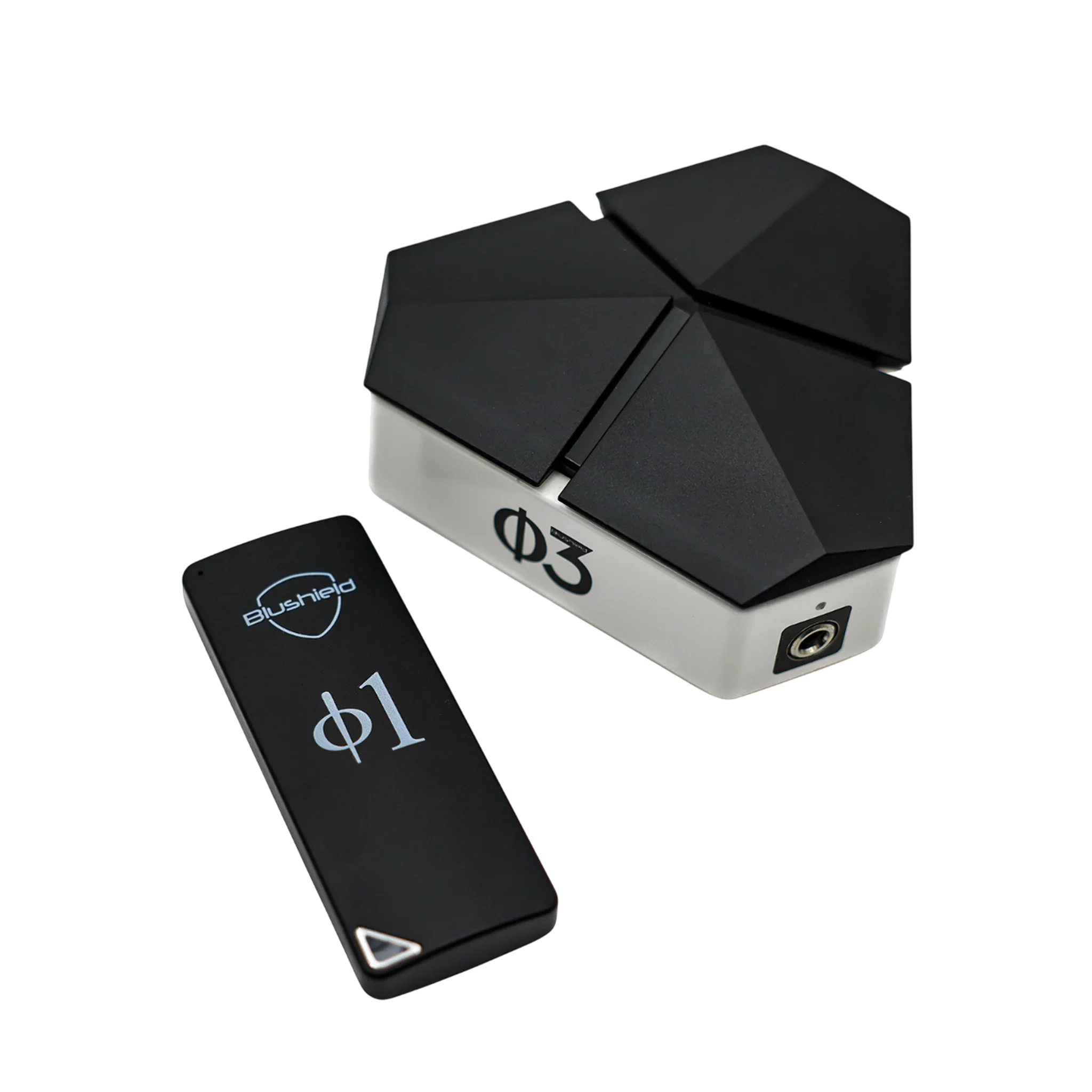
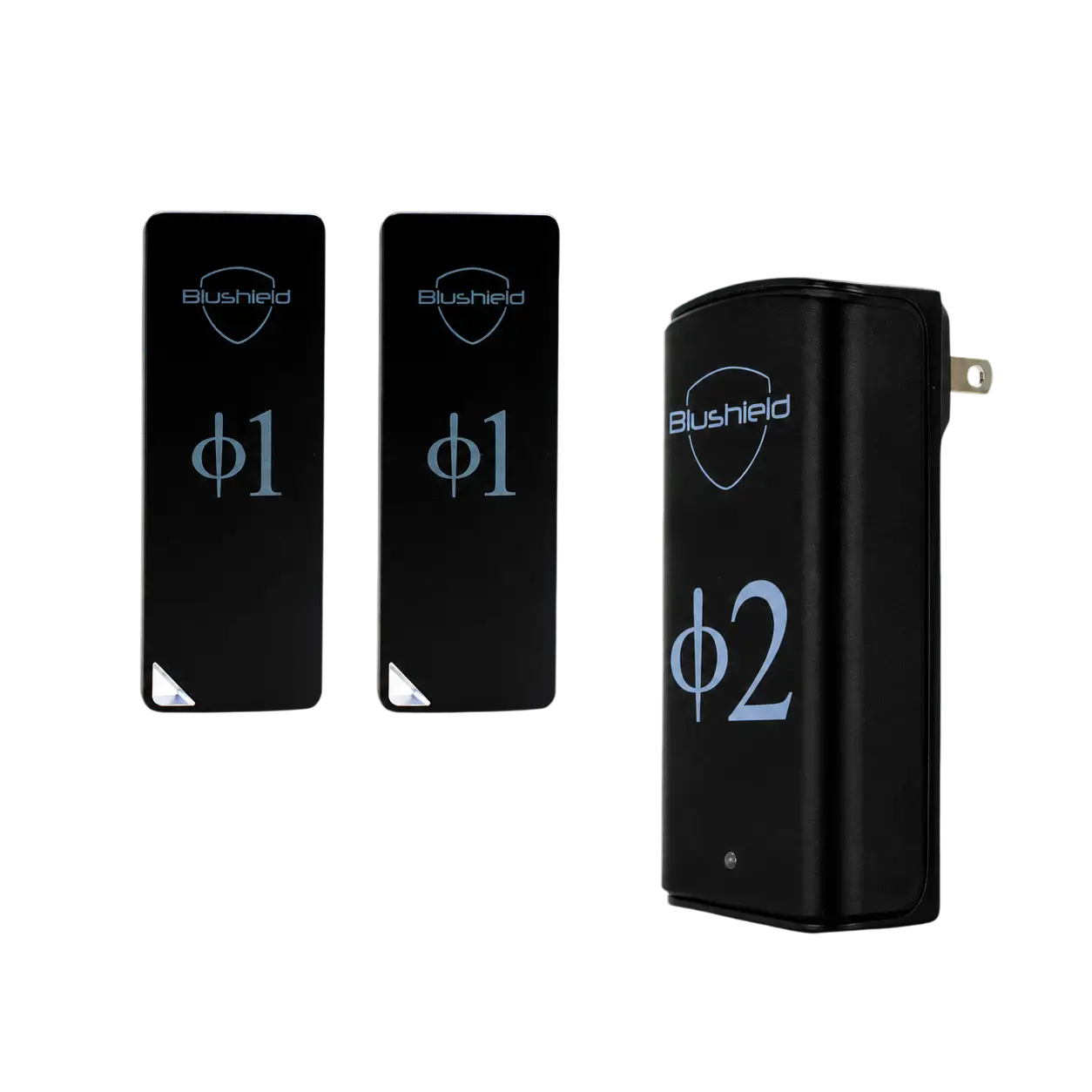
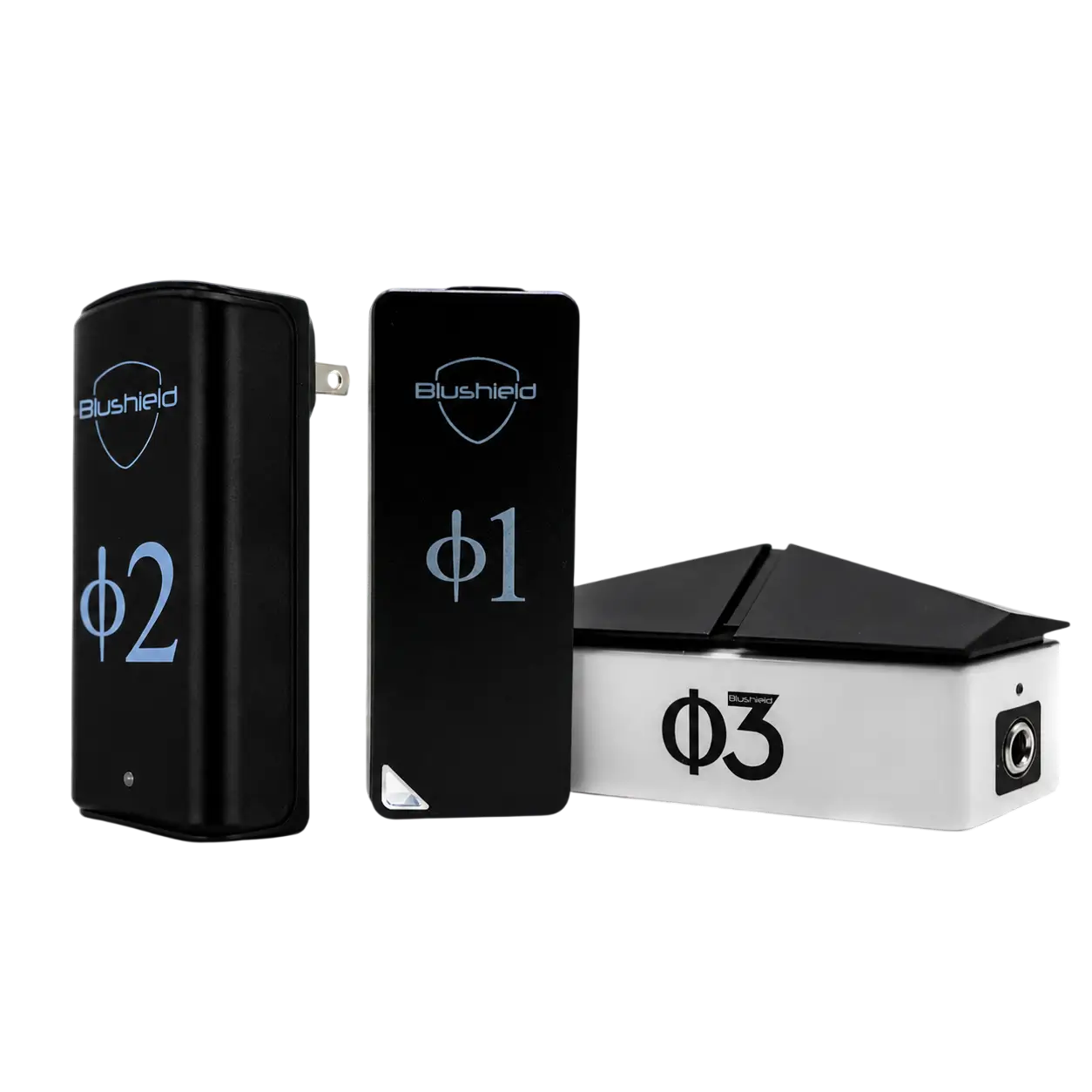
What we believe to be the most sensible strategy is to minimize your EMF exposure as much as possible or practical, then to use an effective, clinically tested EMF protection device, like our Blushield home and portable units, as the foundation of your protection for the exposure sources you cannot control or eliminate. Blushield prevents oxidative stress from EMFs by creating a biologically coherent field that your body preferentially entrains with, which stops the body from attempting to “attack” the invisible, intangible EMFs 24/7. This constant attack exhausts the immune system’s energy reserves, and the excessive cytokine production from the immune activation directly produces free radicals.
While antioxidants can neutralize free radicals that have already been produced and begun to damage the body, entraining with a beneficial field can prevent free radical production before it even starts.
Where we really see antioxidants like vitamin C and E shining, when it comes to their role in EMF protection, is as an extra protection strategy – the icing on the cake!
Blushield devices come with various field strengths, depending on the model, and the one you choose should depend on your overall EMF exposure levels. Since nothing in nature is 100% efficient, there will likely always be a little bit of EMF that gets through and affects you anyway, even if you have the ideal strength Blushield for your needs. If you have plenty of antioxidants in your daily diet, and regularly supplement with vitamins C and E, this little bit of exposure that’s still affecting you can be mitigated by these antioxidants, rounding out your EMF protection strategy.
Another use for vitamins C and E is to assist highly sensitive folks, those with hyper-reactive bodies or chronic illness, in acclimating to the Blushield field. These people can sometimes take longer to adapt to the protective field, because their bodies are more guarded and resistant to change – and very understandably so, being burdened by trauma and illness for so long. Nutritional reinforcement of just the right kind could make all the difference.
When it comes to nutrient sources, there’s no replacement for getting these vitamins in their natural form, from the foods you eat. Eating plenty of fruits, vegetables, and raw nuts and seeds (cooking destroys vitamins C and E) will give you an excellent baseline of essential nutrients, polyphenols and flavonoids. Since our world is not ideal, and most food is deficient in nutrients to some extent, it is also sensible to supplement strategically.
You can take food-based supplements, like concentrates of vitamin C and E rich powders, which are highly bioavailable. You can also use concentrated synthetic forms for a more therapeutic effect, especially if you’re already deficient, or wanting to target sources of oxidative stress in your life, including EMFs.
Here are some of our favorite sources of vitamin C and E. If you feel called to add more of these two powerhouse nutrients into your life, pick the options that resonate with you most!
-
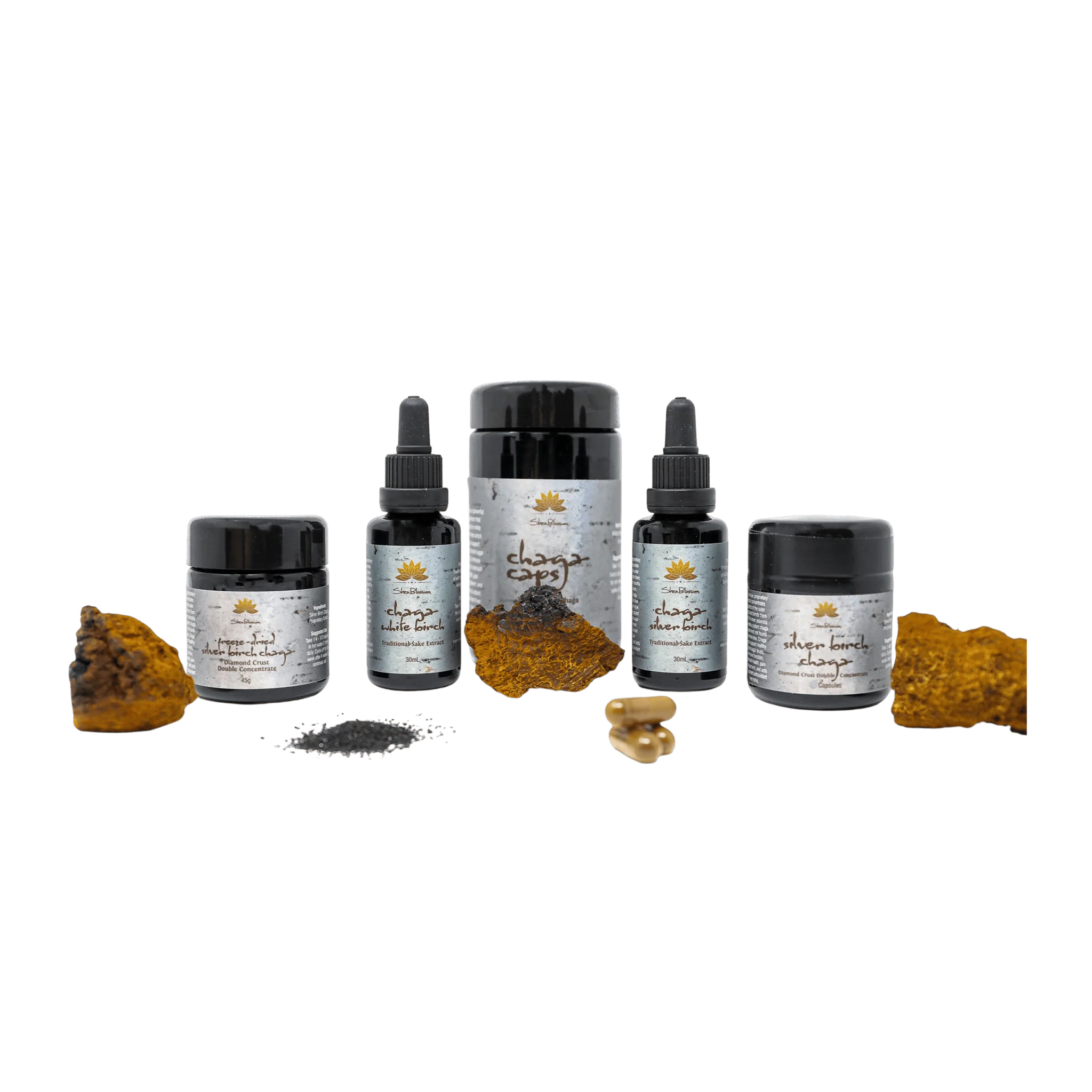
Rice Sprouts Powder by Shen Blossom (use coupon code EMF at checkout to save 15%) – a delicious, creamy whole food powder you can add to your food, for a big burst of flavor and nutrition. Not only does it provide the full spectrum of vitamin E complexes, but it contains all the B vitamins, all essential amino acids, CoQ10, folic acid (also protective against oxidative stress), silica, GABA, and a variety of other polyphenols, vitamins and minerals.
Potent-C by Shen Blossom (use coupon code EMF at checkout to save 15%) – our favorite “whole food vitamin C” product, which combines collagen-producing peptides derived from fermented seaweed with potent sources of vitamin C from high quality food concentrates. The vitamin C sources are incredibly unique, from traditional Japanese cultivated and wild harvested foods and herbs, including umeboshi plum, Japanese gooseberry, Shishito pepper, Japanese wood sorrel and watercress.
You can also find synthetic versions of both vitamins C and E. These can be strategic for therapeutic use if one is really deficient, or wants to cover all their bases.
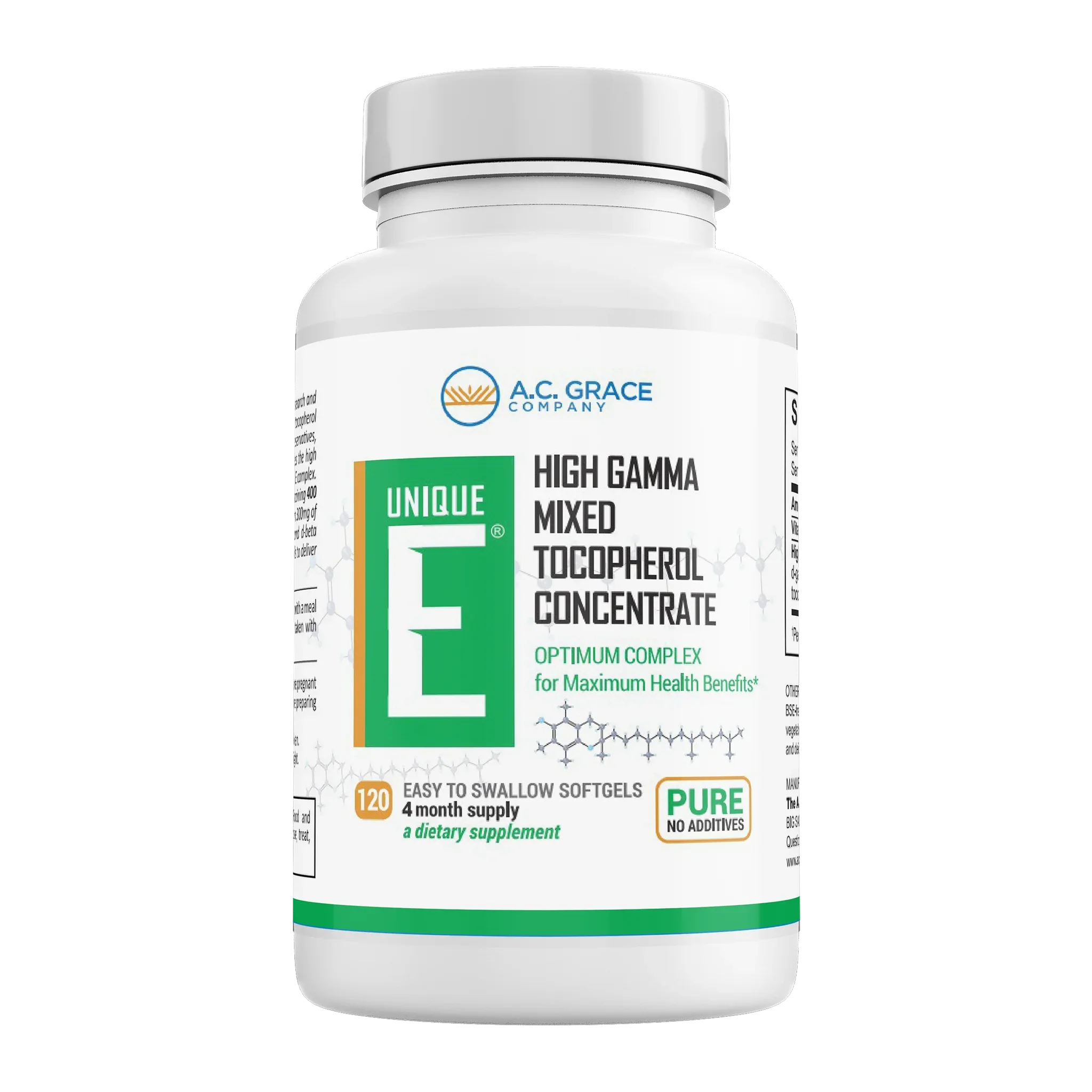
Our favorite concentrated vitamin E is the AC Grace Vitamin E Mixed Tocopherols, which has been considered the standard in the industry for vitamin E supplementation for the past 50 years.
References:
- Study review: Effects of electromagnetic fields exposure on the antioxidant defense system – https://www.sciencedirect.com/science/article/pii/S2213879X17300731
- Study: Protective Effects of Vitamin E Consumption against 3MT Electromagnetic Field Effects on Oxidative Parameters in Substantia Nigra in Rats – https://www.ncbi.nlm.nih.gov/pmc/articles/PMC5102560/
- Study: Vitamin C protects rat cerebellum and encephalon from oxidative stress following exposure to radiofrequency wave generated by a BTS antenna model – https://www.tandfonline.com/doi/full/10.3109/15376516.2014.910852?needAccess=true
- Study: Influence of an Extremely Low Frequency Magnetic Field (ELF-EMF) on Antioxidative Vitamin E Properties in AT478 Murine Squamous Cell Carcinoma Culture In Vitro - https://journals.sagepub.com/doi/full/10.1177/1091581809352011
- Study: Rat testicular impairment induced by electromagnetic radiation from a conventional cellular telephone and the protective effects of the antioxidants vitamins C and E – https://www.sciencedirect.com/science/article/pii/S1807593222017732
- Study: Effect of electromagnetic field on body weight and blood indices in albino rats and the therapeutic action of vitamin C or E – https://www.researchgate.net/publication/228373771_EFFECT_OF_ELECTROMAGNETIC_FIELD_ON_BODY_WEIGHT_AND_BLOOD_INDICES_IN_ALBINO_RATS_AND_THE_THERAPEUTIC_ACTION_OF_VITAMIN_C_OR_E
- Study: Influence of Pulsed Magnetic field on RBCs and therapeutic action of vitamins C and E – https://japer.in/article/influence-of-pulsed-magnetic-field-on-rbcs-and-therapeutic-action-of-vitamins-c-and-e
- Study: The possible protective effect of vitamin E on adult albino rat’s testes exposed to electromagnetic field emitted from a conventional cellular phone – https://ejhm.journals.ekb.eg/article_25267_3aed9b7784acb4b443cec598ca185523.pdf
This post copyright ©2020–2026 Blushield USA. All rights reserved.
Unauthorized use and/or duplication of this material without express and written permission is strictly prohibited.
Explore more Articles
The Science of Stability: Why Powered EMF Protection Outperforms Passive Devices
In our increasingly hyper-connected world, the conversation around Electromagnetic Fields (EMF) has shifted from "if" we should protect ourselves to "how" we should do it. As we surround ourselves with 5G towers, Wi-Fi routers, and smart appliances, the market has been flooded with solutions ranging from stickers and crystals to sophisticated electronic resonators.
However, not all protection is created equal. To understand why some methods fail where others succeed, we have to look at the physics of signal dominance and the biological need for a coherent reference.
The Passive Problem: The Limitation of "No Power"
Passive EMF protection products such as shungite, specialized stickers, or unpowered pendants operate on the principle of attenuation or local field alteration. While these materials may have unique molecular structures that interact with frequencies, they face a fundamental "physics wall": they lack an internal energy source.
Without power, a device is purely reactive. It cannot create a signal; it can only respond to the signals already present in the room. This leads to three critical failures in a modern environment:
01. Lack of Signal Dominance
For the body to prioritize a "healing" or "balancing" frequency over the chaotic noise of a Wi-Fi router, that frequency must be dominant. Passive devices are essentially "whispering" in a room where the EMF environment is "shouting." Because they cannot project a field, their influence is limited to the near field usually just a few millimeters or inches from the object.
02. The Trap of Ambient Fluctuations
Passive devices are at the mercy of their environment. If the ambient EMF levels spike (like when you take a call or download a large file), the passive device has no way to scale its interaction. It cannot maintain a structured reference signal because it is constantly being "pushed around" by the very frequencies it is meant to harmonize.
03. No Timing or Pulse Control
Biological systems are highly sensitive to rhythm and timing. Active EMF protection often uses specific pulse-width modulation to mimic natural Earth frequencies (like the Schumann Resonance). Passive devices have no "heartbeat"; they lack the circuitry required for timing control, meaning they cannot provide the rhythmic consistency the body needs to stay grounded.
The Active Advantage: Establishing a Coherent Reference
Powered, dynamic signaling systems represent a different paradigm of protection. Instead of trying to block or absorb radiation which is nearly impossible in a modern home these devices focus on Active Resonance.
Building a "Safety Bubble"
A powered device uses a dedicated power source to emit a consistent, coherent, and structured electromagnetic field. Because this signal is generated internally, it is not dependent on the noise of the room. It creates a stable "reference point" that remains constant regardless of how many devices are active in the house.
Conclusion: Why Power Matters
In the quest for wellness in a high-tech world, we must choose tools that match the scale of the challenge. Passive materials certainly have their place in history and personal practice, but they lack the "active voice" required to compete with the high-output infrastructure of modern telecommunications.
If the goal is to create a true sanctuary a space where biology can rest independent of the changing electromagnetic tide a powered, dynamic system is not just an upgrade; it is a necessity. By establishing a dominant, coherent reference signal, we provide our bodies with the stability they need to thrive in the digital noise.
Did you know that your smart phone settings include a section that advises usage habits to reduce RF (radiofrequency) exposure?
This advice is included even though all smart phones proclaim that they are in compliance with the government’s SAR (Specific Absorption Rate) safety limits.
If the radiation emitted by cell phones was truly safe, why would they bother to tell you ways to reduce radiation exposure? Could it be because the SAR limits are outdated, and only address thermal (heating) effects of non-ionizing radiation exposure, and ignore the mounting evidence of harm from non-thermal mechanisms?
Let’s dive into this revealing topic that most people are unaware of, even though the majority of us are smart phone users.
You can check your own smart phone now. If you have an iPhone, just go into the Settings, then click General, and there should be a section called Legal and Regulatory. If you click that, and scroll all the way down, there should be a section titled RF Exposure. This may look slightly different on Android phones (like Samsung and Google Pixel), but you will find something similar if you investigate.
This section should display the results of the SAR test for your phone model, which of course will be within the “safe limits” for radiofrequency radiation exposure. If you have an iPhone, you may see something like this:
"To reduce exposure to RF energy, use a hands-free option, such as the built-in speakerphone, headphones or other similar accessories. Cases with metal parts may change the RF performance of the device, including its compliance with RF exposure guidelines, in a manner that has not been tested or certified."
Why advise reducing exposure, if the exposure level is already safe?
A Google Pixel phone we looked at, which tested at well within the SAR safety limits, even included this statement: “Keep the device away from your body to meet the distance requirement.”
What distance requirement? The SAR tests state that when the phone is placed directly against the head, or within 5mm of the torso of the body (to simulate the phone being in a pocket with a thin layer of clothing in between the phone and your skin), that you are “safe”, according to standard tests.
The Samsung S21 smart phone fine print informs that their SAR distance for safety is 15 millimeters, which is equivalent to more than half an inch. Most people place their cell phones directly against their head when making calls, as they have never been informed to do otherwise. If a Samsung S21 phone user is making calls in this way habitually, the company’s own recommendation implies that the user may be exposed to unsafe levels of RF radiation on a regular basis. Yet, this is not widespread knowledge, and is only in the fine print that most people don’t know exists!
Samsung also states, “Specific Absorption Rate (SAR) certification establishes a minimum recommended distance from a person’s body for safe operation of RF-emitting devices. Body-worn operations are restricted to belt-clips, holsters or similar accessories that have no metallic component in the assembly and must provide at least 1.5 cm (3/4 in.) separation between the device and the user's body.”
Did you ever hear any of this from a cell phone TV commercial or online advertisement? We certainly haven’t.
Pharmaceutical drugs are legally required to list their “fine print” of potential side effects, even on TV commercials. Why aren’t cell phone companies required to at least give you a brief warning about RF radiation exposure before you purchase their products, and suggest ways to reduce exposure?
It’s also important to note that having Wifi and Bluetooth enabled on your smart phone will significantly increase the RF radiation output of the device. Many people keep both of these turned on continuously or at least periodically, and do not consider the additional radiation exposure they may be getting, which may often be higher than the SAR safety limits.
The Specific Absorption Rate (SAR) limits are too high, and not healthy
Cell phone companies and the FCC seem to enjoy splitting hairs about the details of the SAR limits, and are quick to point out that the SAR test scores that phones list are at their maximum radiation output, implying that most usage is going to fall at far lower levels than the output listed on the test results.
If we’re going to argue at this level, it’s good to know that many phones may not actually be compliant at all, according to independent tests performed in 2019. If the cell phone company itself performs the tests, and the results can’t be replicated independently, then can we trust them in the first place?
However, let’s move past this type of nitpicking for now, and talk about why the SAR limits are inherently flawed and dangerous in the first place.
As stated earlier, the Specific Absorption Rate is only testing the thermal effects of cell phone radiation, meaning how much it heats localized tissue. That is the only mechanism of harm that the telecoms and FCC are willing to admit to. For a minute, let’s pretend that this is the only mechanism of harm. Even if that were true, there are significant flaws with the SAR safety limits.
The SAR safety limit was originally set in 1996 – 30 years ago. They modeled the body proportions of Army personnel, who are generally large, fully grown men, often around 6 feet tall and 200 pounds. This model does not come close to representing smaller and more developmentally vulnerable populations like children, teenagers and pregnant women. Grown men are generally the most resilient category of humans to toxic exposures of all types, whereas babies, children and developing embryos and fetuses are the most fragile. Babies and children have smaller heads, thinner skulls and rapidly developing brains that are highly vulnerable to harmful environmental influences, including wireless radiation.
The SAR rate that was set in 1996 has not been updated at all over the past 30 years, even as new cell phone technology and usage habits have evolved seemingly at light speed. The maximum distance that a phone could be tested at to achieve compliance was up to 25 millimeters, which is much further from the body than where today’s phone users keep their phones. The 25mm distance was set because in the ‘90s, people often carried their flip phones on belt clips, which were about an inch away from their body. Almost no one uses belt clips anymore, and most often, the phone is carried in a regular pocket, which is generally only 2mm away from body tissue, especially vulnerable reproductive organs like the ovaries and prostate. Guidelines have not been updated to reflect changing habits of users, nor have users been adequately warned of the potential harm of keeping their phone that close to the body.
There is also no consideration for long term exposure. Regulations are set based on immediate effects, with no thought for the many decades of consistent cell phone and other wireless radiation exposure that most modern people, especially young people, will experience in their lifetimes.
Regulations also do not acknowledge the fact that people generally no longer carry just one wireless device with them, but use multiple RF emitting devices regularly: cell phones, tablets, Bluetooth speakers and headphones, vehicle GPS devices that connect to Bluetooth, smart devices that connect to your smart phone, and much more. All of these sources multiply our RF exposure to levels that are currently unknown, and unacknowledged by official government and telecom industry sources.
We are stuck with the ancient 1996 SAR guidelines, which were created in a vastly different technological world than the one we live in today.
Thermal effects are not the only concern with wireless radiation
Lastly and most importantly, the SAR safety standards are based on the (proven erroneous) assumption that the thermal effect is the only way that cell phones can cause harm.
In the early 2000s, the National Toxicology Program, an arm of the U.S. Government’s National Institutes of Health, performed the largest, longest study on the health effects of cell phone radiation that had ever been done up to that point. Their stated intention for the study was to find out whether there were non-thermal health risks to cell phone use, since the only safety guidelines that existed at that point were the SAR safety limits, which were only based on thermal exposure risks.
This is an entire story in itself, but suffice to say that considerable harm related to cancer and DNA damage were found – results that were surprising to everyone involved in the study. After a brief period where a peer review panel of experts declared that the study was well performed and showed clear evidence of cancer and DNA damage, the government agencies involved subsequently pivoted in their opinion and decided that the study was NOT relevant to human exposure. If you haven’t yet read this whole story, you will want to, as it shows beyond any doubt how egregiously biased the United States government is towards siding with the telecom industry.
$30M National Toxicology Program Study Shows Cell Phone Radiation is Carcinogenic (full story)
The most important thing to realize is that science shows that non-ionizing radiofrequency radiation, at below-thermal levels, can be harmful to health. Whether or not a mechanism has been definitively recognized that accounts for this non-thermal harm, the harm itself has been documented in hundreds to thousands of studies, many of which you can read about here.
If you’re interested in purported mechanisms of non-thermal harm, the most probable theory at this time involves the voltage-gated ion channels of the body, and how external electrical signals trigger these highly sensitive voltage-mediated channels to flood various minerals (especially calcium) into the cells, triggering a cascade of unintended and unwanted effects. This mechanism has been extensively studied by Dr. Martin Pall, and has been discussed in at least a dozen of our other articles.
Don’t fall into the trap of blind trust – protect yourself
Ignorance of the truth won’t protect you. It is the fault of the government and telecom companies that it isn’t common knowledge that your daily wireless device usage may cause health issues over time. However, it is your responsibility to educate yourself, and to protect yourself as well as you can. Most people are not going to give up their cell phones entirely, but there are things you can do to significantly reduce your exposure:
- Never carry your cell phone in your pocket, or anywhere against your body, unless it’s turned off, or set to airplane mode.
- Never sleep with your cell phone near you, unless on airplane mode with Bluetooth and Wifi disabled, and even then be sure it’s at least a few feet away – definitely not under your pillow or near your head.
- Never hold your phone up to your head when you talk. Instead, use speaker phone or an AirTube headset (which has a tube of air instead of wires all the way to your ears) to make calls.
- Limit your children’s cell phone and tablet exposure, and be cautious during pregnancy and around babies.
To protect your body from any remaining radiation exposure, since you can’t control a lot of the RF exposure sources around you, be sure to protect your home with a stationary Blushield device of the appropriate strength for your overall EMF exposure levels, and carry a Blushield portable device with you anytime you’re on the go.
Blushield devices were demonstrated in a 2023 clinical study to calm overactivation of the voltage-gated calcium channels back to normal levels – VGCC overactivation is widely thought to be the primary mechanism of harm from EMFs, as we touched on earlier. A variety of other statistically significant health improvements were recorded, as well, showing that even if the mechanism of harm from non-thermal EMFs is more complex and nuanced than we currently know, that our EMF protection technology is broadly beneficial in regulating physiology back to a healthier state.
References:
- Apple iPhone RF Exposure Information – https://regulatoryinfo.apple.com/rfexposure/iphone18,1/en
- Samsung Galaxy S21 Radiation Levels – https://www.rfsafe.com/phone/samsung-galaxy-s21/
- Blushield: “New Proof that Cell Phones Are Not Safe” – /blogs/new-proof-that-cell-phones-are-not-safe
- Blushield: “$30M National Toxicology Program Study Shows Cell Phone Radiation is Carcinogenic” – /blogs/30m-national-toxicology-program-study-shows-cell-phone-radiation-is-carcinogenic
- Bioinitiative Report (updated in 2022) – https://bioinitiative.org/table-of-contents/
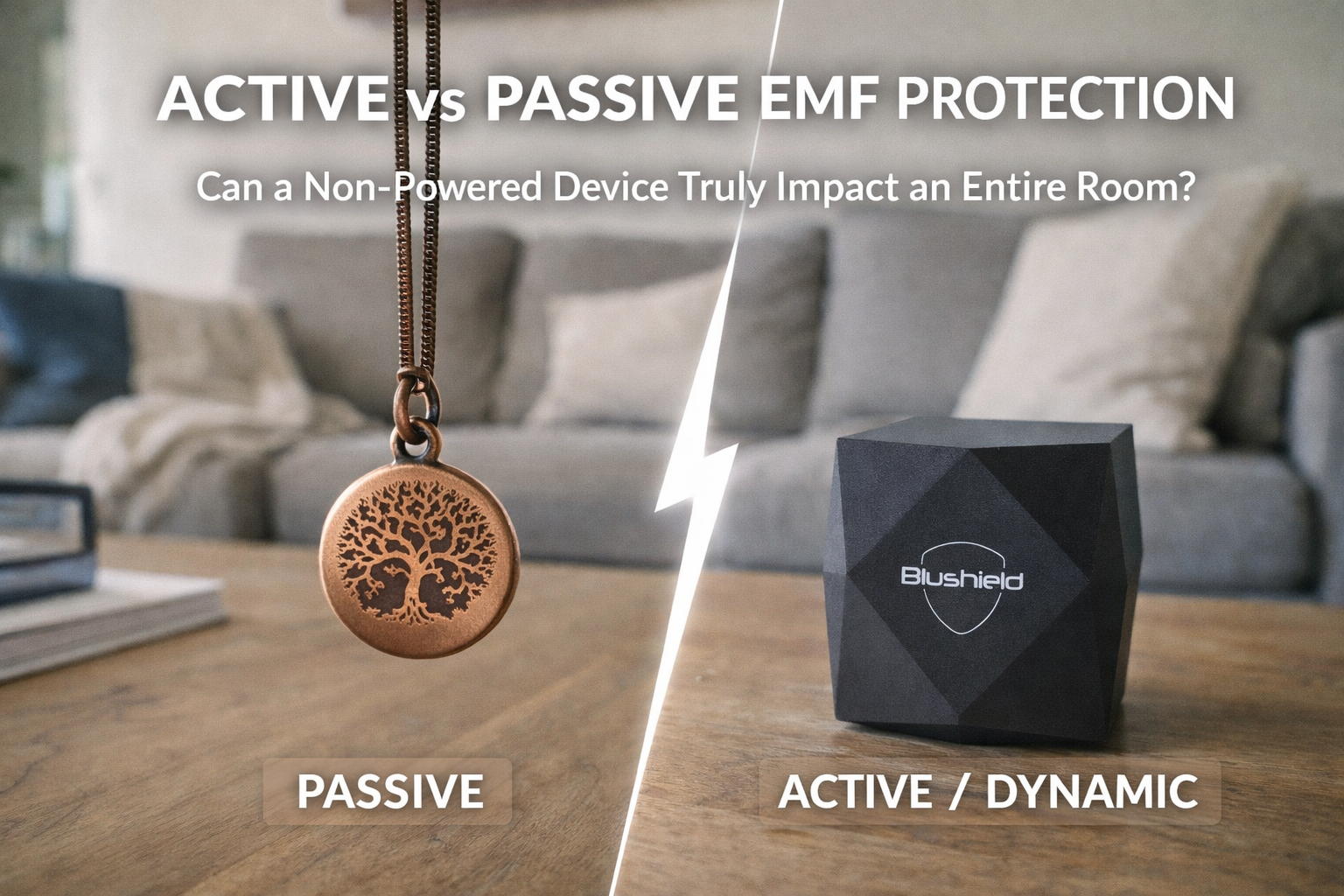
Why I ultimately chose active and dynamic field signalingMy name is Brandon Amalani and I have been running Blushield.com for nearly ten years.People regularly ask me about passive EMF protection devices and whether they are reliable or effective at protecting biology from man made electromagnetic exposure. That question comes up more now than ever, especially as passive devices have become extremely popular in recent years. I want to be very clear from the beginning that this article is not an attack on anyone or any company. It is an honest attempt to explain what I have learned about physics, biology, and signal behavior after a decade of working directly in this space.I originally got involved with Blushield after personally exploring many of the options available at the time. Most of what existed were passive EMF devices such as stickers, pendants, resonator chips, cards, and other non powered products. There were also shielding materials, grounding strategies, and constant single frequency generators. I tested all of these myself and spent a lot of time learning where each approach worked and where it clearly did not.That was about ten years ago. Since then I have worked closely with inventors and researchers in the electro therapy space and continued my education across multiple disciplines including cold plasma technology, photobiomodulation, PEMF system design, cellular biology, nutrition, and herbalism. Having this cross-disciplinary perspective has been critical in helping me understand how the human body functions as an electromagnetic system and how it interfaces with both natural and man made fields.Over the years I have noticed a shift in how passive EMF devices are discussed and marketed. Many educators and companies have moved away from older language like depolarizing EMF or harmonizing waves, and are beginning to use more nuanced terminology around coherence and biological signaling. That shift is a step in the right direction. However, based on what people share with me and what I continue to observe, there is still a great deal of confusion around the actual physics and biology involved.There are really three categories worth discussing. The first category is passive EMF devices. These devices have no power source. They claim to harvest ambient electromagnetic radiation and reorganize or modify those fields in a way that reduces biological stress. They often rely on geometry, fractal patterns, holograms, microchips embedded in pendants, or specific material combinations. The second category is active EMF signaling devices. These devices are powered systems that intentionally emit weak structured signals. They do not claim to overpower ambient EMF. Instead they claim to bias biological systems toward more coherent endogenous signaling and improved physiological resilience. The third category is what I would call active and dynamic signaling systems. Blushield falls into this category. It is active because it generates a field using an internal power source. It is dynamic because the signaling changes over time in a coherent way, more closely resembling the constantly shifting electromagnetic environment found in nature.To be clear, many of the concepts used to justify passive devices are not crazy or unscientific. Electromagnetic fields do have polarization. Geometry can influence how fields interact with materials. Fractal antennas exist in real engineering applications. Metals can couple to radiofrequency energy and act as grounds. Passive objects can scatter or redirect fields locally in the near field. All of that is true. This is why claims like an intentionally designed resonator can reorganize harmful EMFs and make them less biologically stressful sound persuasive on the surface.The issue is not the concepts themselves. The issue is scale, control, and guarantees.A passive resonator may produce higher local field intensity at specific frequencies by storing energy temporarily, much like a tuned antenna. However, this is concentration, not amplification in the engineering sense. Without an internal power source and maintained oscillation, a passive device cannot generate a dominant reference signal or enforce coherent structure across a room-scale environment.Without power, a device cannot control timing, phase, modulation, or coherence. It is entirely dependent on whatever ambient electromagnetic environment happens to be present at that moment, which is constantly changing. Geometry without power has no authority over signal behavior. Passive devices can respond to fields, but they cannot impose order on them.Over the years I have had many conversations with inventors working in active electromagnetic systems, including plasma based technologies. One important distinction that comes up repeatedly is that plasma can behave like a fractal antenna because it is an active medium with mobile charge carriers and energy input. That is fundamentally different from static geometry, etched holograms, or water/copper coil circuits which do not maintain oscillation, timing, or coherence on their own.Fractal antennas are real in engineering. However, they require specific parameters such as tuning to defined frequency ranges, feed points, impedance control, and known boundary conditions. A static hologram etched onto a pendant or card does not dynamically store electromagnetic information, adapt to changing environments, or enforce coherent signaling. It is a constraint, not a reference. Plasma systems can act like fractal antennas because they are active. They contain mobile charge carriers, dynamic oscillation, and energy input. That is a fundamentally different physical system than a static etched interference pattern. Calling both of these fractal antennas is a category error.One question that always stood out to me was how passive devices claim to cover large areas with no internal power source. Passive devices may slightly alter local coupling when worn on the body. That is plausible. What is not clear is how they could control room-scale fields or guarantee uniform effects across space. If a device truly created a dominant room-scale field, orientation, placement, and surrounding electromagnetic conditions would not matter. In reality, indoor EMF environments are dominated by near field sources such as laptops, phones, routers, and wiring. These signals reflect off walls and floors, creating standing waves and nulls. The result is a highly patchy and inconsistent field landscape. A small passive device only interacts with the local field where it is placed. It cannot average or reorganize an entire room. Its behavior will change depending on proximity to sources, wiring, and the body itself. That tells us the environment is in control, not the device.Passive devices have no internal timing reference, no phase authority, and no feedback mechanism. A passive microchip or circuit does not qualify as an internal reference because it does not actively maintain timing, state, or phase. Geometry and materials can constrain how a device responds to incoming signals, but they cannot enforce or stabilize a desired signal state. A reference requires actively maintained timing or coherence. Passive systems do not have that capability.Depolarization is another concept that has been widely misunderstood. Polarization refers to the orientation of the electric field. Coherence refers to phase stability and predictability over time. These are not the same thing. Modern radiofrequency environments are already spectrally complex, weakly polarized, and highly incoherent. Further depolarizing these fields simply adds randomness. It does not restore order. You cannot fix incoherence by adding more noise.In recent years many companies have used portable EEG devices to demonstrate before and after changes in brain activity. EEG can certainly reflect changes in mental state such as relaxation, attention, novelty, or expectation. It is extremely sensitive to posture, breathing, emotional framing, and context. What EEG cannot demonstrate is environmental EMF control, room-scale field effects, or mechanism of action. EEG does not measure cellular health, gene expression, calcium channel behavior, oxidative stress, or electromagnetic exposure levels. It tells you that a brain state changed, not why it changed. A device worn on the body could plausibly induce a local coupling effect. That does not mean the surrounding environment was altered. Small numerical changes can also appear dramatic depending on visualization choices and color scaling when creating before and after images.After evaluating many testing approaches, we chose to pursue the most rigorous path available to us. Rather than relying on internal or externally sourced white papers or theoretical models, we conducted an independent review board certified clinical trial in the United States. The results were published in a peer reviewed medical journal. We demonstrated significant changes in VGCC gene expression along with other physiological markers. This type of research is expensive and time consuming, but it aligns with the actual biological mechanisms being discussed.Biological systems are oscillatory, nonlinear, phase sensitive, timing dependent, and reference driven. This is why natural light cycles, geomagnetic fields, and environmental rhythms are so important to health. Biology does not simply respond to less stimulation. It responds to better organized information. The real question is not whether we can remove all EMF. It is whether we can provide a stable coherent reference that biology can lock onto.Active and dynamic signaling systems can do this. Passive systems cannot. Powered systems introduce a reference signal with internal timing and structure. That signal behaves consistently across environments. It improves signal to noise at the organism level. Passive systems have no phase authority, no internal timing, and no ability to resist environmental variability. They react to chaos, scatter chaos, and depend on chaos for their function. That is the opposite of what biology needs.Even mainstream EMF literature points to mechanisms such as VGCC activation, calcium influx, oxidative stress, and redox imbalance. An active coherent field can plausibly bias ion channel behavior, reduce stochastic noise, and support mitochondrial coupling. A passive scatterer cannot target these mechanisms or maintain biological reference states. Passive devices attempt to reorganize biology by harvesting incoherent ambient radiation. Active devices introduce order.We have been recommending Blushield for years as ones primary source of protection. Recently we introduced another technology that we found to pair perfectly with Blushield as the ultimate EMF protection stack.First, let’s look at the environment a bit closer.Modern EMF exposure isn’t just coming from wireless signals in the air. It also comes from the wiring inside our walls. Digital devices, switching power supplies, and LED drivers inject high-frequency transients and sharp voltage edges onto the 50/60 Hz electrical sine wave. That noise doesn’t just stay in the wires, it turns the wiring itself into a secondary source of electromagnetic variability.Blushield operates in the radiated domain by introducing a low-power, internally timed reference signal that remains stable even as the surrounding RF environment changes. It does not attempt to overpower external sources. Instead, it provides a consistent signal structure that biology can bias toward.SineTamer works at the electrical layer by reducing high-frequency transients and rapid voltage fluctuations on the building’s wiring. By lowering broadband electrical noise, it reduces the background variability that wiring can radiate into living spaces.Together, these two approaches address different layers of the same problem: one introduces structured reference signaling, the other reduces injected electrical noise. The result is not “shielding,” but a shift in signal organization and environmental stability.I genuinely want passive devices to be highly effective. I also want Nikola Tesla’s dream of a small portable device that produces clean energy from ambient energy to be real. But wanting something to be true does not make it physically possible yet. After ten years of experimentation, education, and direct testing, active and dynamic field signaling remains the most plausible approach I have seen for supporting biological resilience in modern electromagnetic environments.

Product updates
Practical tips for low-EMF living
New releases
Exclusive promotions
Frequently asked questions
Invisible forces are part of modern life, but their impact doesn’t have to define you. Blushield works quietly in the background, supporting a more stable, balanced internal state so you can focus, rest, and perform at your best.
It doesn't block or shield EMF. Instead, Blushield is designed to support the body's natural response to everyday electromagnetic exposure. By focusing on biological support rather than altering environmental signals, it takes a different approach to EMF protection.
Plug-in units (Premium, Ultimate, Phi) cover your home. Portables cover you when you leave it. Most people start with one of each: a plug-in for the house and a portable for travel, work, and the car. If you're not sure, use our Find Your Device tool or message us.
30-day limited money-back guarantee on every device (restocking fee applies - see our full return policy). Stationary and portable units carry a 1-year warranty. If anything extends past that, contact us.
Yes. EMF meters measure intensity, not biological impact. Even low-level exposure from Wi-Fi, Bluetooth, smart meters, cell towers, and nearby homes accumulates 24/7. Blushield works on the body's response, so it helps regardless of what a meter reads.
Some people feel calmer or sleep better within the first night. For others it's a few weeks of gradual change - better focus, deeper sleep, and less fatigue. A small number notice a short adjustment period as the body recalibrates. Everyone responds differently, so give it time to become part of your daily environment and let the benefits build naturally.
Yes. Blushield is built on decades of research into how the body responds to coherent vs. incoherent electromagnetic signals. We have independent studies, HRV data, and live-blood analyses on our Science page. We don't make medical claims. We point you to the data and let you decide.