.svg)














.png)
.png)




























.png)


.jpg)


.svg)
-cropped%20(1).svg)
.svg)
Fix the Digital Divide! A Recent FCC Lawsuit
Article by
Brandon Amalani
November 23, 2020


.webp)

If you have read our most recent article, you may have been surprised to learn that the Federal Communications Commission (FCC) was sued earlier this year for their refusal to update their 25-year-old wireless exposure “health” guidelines, which are obsolete and ineffective for several reasons. This lawsuit, filed by Children’s Health Defense and the Environmental Health Trust, is in process, and their case against the FCC is strong! We will continue to follow their progress and keep you updated on proceedings.
However, the FCC hasn’t just been sued once. There was another recent Federal case against the FCC, which lasted a year and resulted in a verdict that opens up a lot of possibility for positive change on a state level. This one focuses on another area of corruption not directly related to wireless technology’s harmful health effects.
It was discovered that for nearly two decades, the FCC has been allowing several big telecoms who provide both wireless and wired phone services to pull a sleight of hand, secretly repurposing funds paid by landline telephone subscribers that were promised to go towards building up fiber optic infrastructure to all households, into the buildup of 5G wireless. The FCC didn’t just allow it, but encouraged it due to their flawed accounting rules that do not hold wireless service to the same strict regulations as landline, local phone service.
As a result, telecoms have been tempted by the massive profits they could acquire through this “legal cheating” that the FCC has allowed. Intentionally or unintentionally, the FCC and several big telecoms have created the Digital Divide. If you haven’t yet heard that term, it refers to the disproportionate access to high speed internet in urban and high income areas, compared to rural and low income areas which often have slow or nonexistent internet capabilities.
In modern times when nearly every form of human progress is dependent on connectivity, this unfair playing field ensures that the wealthy get wealthier and the poor get poorer, instead of providing equal opportunity for every person who is motivated to succeed. Internet access should be seen as a household utility, like electricity and water. The Digital Divide is a huge social issue that could be easily fixed, as this lawsuit points out.
5G Wireless Is Being Funded By Landline Customers Who Were Promised Fiber Optic
The heart of this unfortunate circumstance is based on a decades long, half a trillion dollars’ worth broken promise. The stated goal, nearly 20 years ago, was to build out high speed fiber optic connections to 100% of households all across the United States, creating a culture of connectivity and equal opportunity to all U.S. citizens.
To achieve this goal, local landline phone service subscribers were charged extra fees with every single phone bill, for decades, amounting to a total of thousands of dollars per household, to ensure that this future of connectivity was actualized for every home and family. The fees were specifically promised to go towards the built out of FTTP, or “fiber to the premises”, which means a direct fiber optic connection to every home and office. This never ended up happening in 25% of homes, which increases to 35-40% in low income areas. Therefore, to get connected, these people are forced to subscribe to the more expensive and relatively slower and less reliable wireless services as a poor substitute for high speed in-home internet access.
So where did this over half a trillion dollars of extra funds go?
According to the telecom accounting records (and the direct admission of industry spokespeople to their investors), it went towards building up the fiber optic infrastructure to cell towers, including the millions of new 5G “small cells” being installed all over the country, especially in larger cities.
What many people don’t know is that wireless service depends on fiber optic lines for the majority of its data transmission. The “wireless” part is just the very end of the line, from tower/antenna to the user’s device, and in the case of 5G this is often just 1,000 feet or less because the range of 5G is so short. These fiber optic lines only benefit the wireless companies, even though it would be easy (and relatively inexpensive) to extend the lines to nearby homes to give them direct access, freeing each family from being overly reliant on wireless services.
Local, state-based landline utilities are usually provided by the same big telecoms that also provide wireless, although they technically have an “affiliate” relationship. For example, Verizon NY (which provides New York’s local phone service) and Verizon Wireless are affiliates, basically controlled by the same company, Verizon. This makes it easy to fudge profits and expenses to make things look a certain way. You may have heard that “local phone service and wireline internet are unprofitable” compared to the highly profitable wireless services. This is completely inaccurate, and only due to letting “local phone services” pay for the entire backhaul that wireless service depends on. It gives the false impression to the public that wireless is more profitable, and therefore a better option to rely on for our connectivity needs.
If 5G wireless had to pay its own infrastructure expenses, it literally could not fund itself, by a long shot.
Who Dares To Sue the FCC?
The Irregulators are an independent consortium of senior telecom experts, analysts, forensic auditors, and lawyers who are former senior staffers from the FCC, state advocates and Attorneys General Office experts and lawyers, as well as former telco consultants. Members of the group have been working together, in different configurations, since 1999.
Bruce Kushnick and Scott McCullough are the primary spokespeople of the Irregulators.
Bruce has been a telecom analyst for over 30 years, and has been involved in several important technology upgrades over the decades, including touchtone phone, caller ID and voice message capabilities. His newest tome of a book (581 pages!) is freely available to download and read, called “The Book of Broken Promises: $400 Billion Broadband Scandal & Free the Net”, and is the third writing in a related trilogy. He writes the many extensive articles detailing this issue and court case, and is the face of all the other consumer advocacy work they are doing to ensure fair play by the telecoms and the FCC.
Scott is the highly educated and experienced cutthroat attorney who took the FCC head on in this court case. His practice focuses on communications, computer and internet law and regulation, with an emphasis on representation of consumers and small competitive and new technology application and service providers. He has unparalleled knowledge and experience relating to those places where technology and regulation intersect – and often collide.
Scott’s participation in this case is especially relevant, as he just signed on as an attorney in the other FCC lawsuit by the Children’s Health Defense, focused on the FCC’s obsolete wireless “health guidelines”, which we discussed in a previous article.
A Step In the Right Direction: The Irregulators Freed the States From the FCC
Almost a year after the Irregulators challenged the FCC in the DC Court of Appeals about the FCC’s cost accounting rules and formulas, the Court issued an opinion that opens the door for the next stage of the Irregulators’ plan. The Court essentially stated that this fight cannot be fought in a Federal court, and remitted power over this issue to the state jurisdictions. They basically gave each state permission to demand correction of the fraudulent accounting of their own local services, and pursue these lost funds. This officially closed the FCC lawsuit through the DC Court of Appeals, which was what the Irregulators were hoping would happen.
The next step for the Irregulators is letting each state know that their hands are no longer tied by FCC “rules”, and that they can (and should!) go after the misappropriated funds, and ensure that they are used to complete the long overdue buildout of local high speed internet to ALL residences.
If most or every state jumps on this and decides to do it (once they are informed that they have the power to do so), this will retract massive amounts of wrongly placed funding from 5G. This will be a very good thing, as 5G implementation has been extremely rushed, barreling over and ignoring the many concerns of local municipalities and residents, from health concerns for humans, animals and the environment, to aesthetic issues relating to intrusively placed 5G infrastructure reducing property values. Slowing down the illegitimate funds for 5G will force the FCC and telecoms to face the health issues involved that they have been blatantly ignoring as they are singly focused on implementing their technology as fast as possible. It will also force them to find a legitimate and fair way to fund their wireless pursuits.
Wireless services are certainly useful, but ideally only as an adjunct to high speed wired connections to residences and businesses. We elaborate a lot more on why this is the case in another article, Why Wired Internet in the Home & Office Is Better Than 5G.
What You Can Do To Help
The best way you can help is to contact your local representatives, letting them know that they have the power to ensure that the telecoms are serving their constituents as fairly and honorably as possible. You can tell them to stand up for the people’s rights to equal access to basic utilities, as well as being protected from the currently unavoidable health risks of wireless radiation in their environment. The standards we hold the FCC and telecoms to needs to be raised.
The state legislators can refer to New Hampshire’s great example. In 2019, they passed a law establishing a commission to study the health and environmental effects of evolving 5G technology. The commission just released its final report in November of 2020, and it sets a wonderful example that other states can follow. The report issued several recommendations regarding 5G, including:
- warnings on state agencies’ websites about the harms of RF radiation, including 5G small cells, and specific warnings concerning babies, children and pregnant women
- recommendations that wireless antennas be placed at a safer distance from homes, schools and businesses
- recommendations that schools and libraries move away from Wifi and instead use hardwired internet connections
- encourage statewide deployment of fiber optic internet connections to serve all public and commercial properties
- encourage the state to consult with agencies with appropriate scientific expertise about RF radiation dangers, to establish safer protocols to protect the natural environment from RF harm
You can read the full report here: State of New Hampshire’s 5G Final Report
Let your state representatives know what New Hampshire has done, and what the Irregulators have done to free the states from the previous assumption that they could not devise their own accounting rules, and had to rely on the FCC’s rules.
"The states are free to do what they want. Our strategy in bringing this case was to secure a definitive answer about the rights of states vs the control by the FCC over the financial accounting. The Court made it clear that the states are independent from the FCC and from the application of the federal accounting formulas." -- Bruce Kushnick
Resources:
“They Created the Digital Divide By Design” – https://newnetworks.com/digitaldividebydesign/
“Irregulators Big Win: We Freed the States From the FCC” – http://irregulators.org/irregulatorsbigwin/
“The Irregulators: An Independent, Expert Telecom Team” – http://irregulators.org/who-we-are/
“Solve the Digital Divide by Halting Billions in Cross-Subsidies: Verizon NY 2019 Annual Report” – https://kushnickbruce.medium.com/solve-the-digital-divide-by-halting-billions-in-cross-subsidies-verizon-ny-2019-annual-report-405ddf9b4ac
“5G Wireless Is Not Profitable When the Wired, State-Based, Utility Cross-Subsidies Are Removed” – https://kushnickbruce.medium.com/5g-wireless-is-not-profitable-when-the-wired-state-based-utility-cross-subsidies-are-removed-f7888e343094
This post copyright ©2020–2026 Blushield USA. All rights reserved.
Unauthorized use and/or duplication of this material without express and written permission is strictly prohibited.
Explore more Articles
The Science of Stability: Why Powered EMF Protection Outperforms Passive Devices
In our increasingly hyper-connected world, the conversation around Electromagnetic Fields (EMF) has shifted from "if" we should protect ourselves to "how" we should do it. As we surround ourselves with 5G towers, Wi-Fi routers, and smart appliances, the market has been flooded with solutions ranging from stickers and crystals to sophisticated electronic resonators.
However, not all protection is created equal. To understand why some methods fail where others succeed, we have to look at the physics of signal dominance and the biological need for a coherent reference.
The Passive Problem: The Limitation of "No Power"
Passive EMF protection products such as shungite, specialized stickers, or unpowered pendants operate on the principle of attenuation or local field alteration. While these materials may have unique molecular structures that interact with frequencies, they face a fundamental "physics wall": they lack an internal energy source.
Without power, a device is purely reactive. It cannot create a signal; it can only respond to the signals already present in the room. This leads to three critical failures in a modern environment:
01. Lack of Signal Dominance
For the body to prioritize a "healing" or "balancing" frequency over the chaotic noise of a Wi-Fi router, that frequency must be dominant. Passive devices are essentially "whispering" in a room where the EMF environment is "shouting." Because they cannot project a field, their influence is limited to the near field usually just a few millimeters or inches from the object.
02. The Trap of Ambient Fluctuations
Passive devices are at the mercy of their environment. If the ambient EMF levels spike (like when you take a call or download a large file), the passive device has no way to scale its interaction. It cannot maintain a structured reference signal because it is constantly being "pushed around" by the very frequencies it is meant to harmonize.
03. No Timing or Pulse Control
Biological systems are highly sensitive to rhythm and timing. Active EMF protection often uses specific pulse-width modulation to mimic natural Earth frequencies (like the Schumann Resonance). Passive devices have no "heartbeat"; they lack the circuitry required for timing control, meaning they cannot provide the rhythmic consistency the body needs to stay grounded.
The Active Advantage: Establishing a Coherent Reference
Powered, dynamic signaling systems represent a different paradigm of protection. Instead of trying to block or absorb radiation which is nearly impossible in a modern home these devices focus on Active Resonance.
Building a "Safety Bubble"
A powered device uses a dedicated power source to emit a consistent, coherent, and structured electromagnetic field. Because this signal is generated internally, it is not dependent on the noise of the room. It creates a stable "reference point" that remains constant regardless of how many devices are active in the house.
Conclusion: Why Power Matters
In the quest for wellness in a high-tech world, we must choose tools that match the scale of the challenge. Passive materials certainly have their place in history and personal practice, but they lack the "active voice" required to compete with the high-output infrastructure of modern telecommunications.
If the goal is to create a true sanctuary a space where biology can rest independent of the changing electromagnetic tide a powered, dynamic system is not just an upgrade; it is a necessity. By establishing a dominant, coherent reference signal, we provide our bodies with the stability they need to thrive in the digital noise.
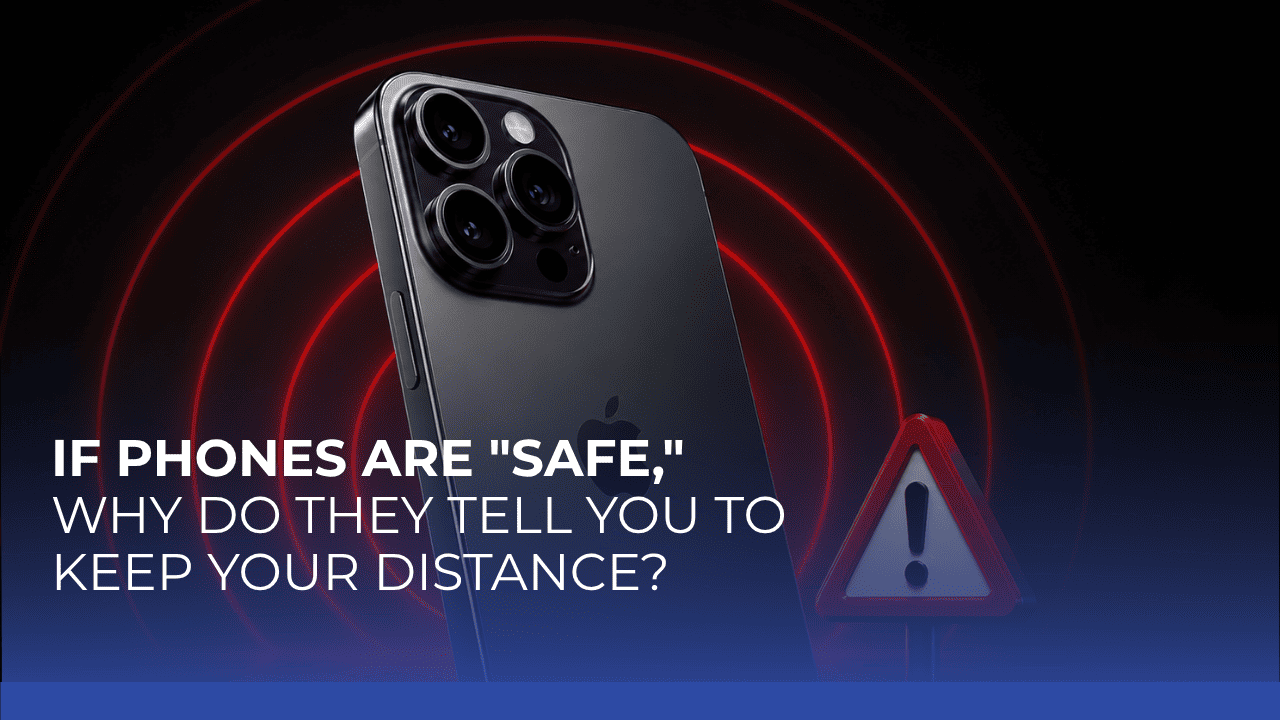
Did you know that your smart phone settings include a section that advises usage habits to reduce RF (radiofrequency) exposure?
This advice is included even though all smart phones proclaim that they are in compliance with the government’s SAR (Specific Absorption Rate) safety limits.
If the radiation emitted by cell phones was truly safe, why would they bother to tell you ways to reduce radiation exposure? Could it be because the SAR limits are outdated, and only address thermal (heating) effects of non-ionizing radiation exposure, and ignore the mounting evidence of harm from non-thermal mechanisms?
Let’s dive into this revealing topic that most people are unaware of, even though the majority of us are smart phone users.
You can check your own smart phone now. If you have an iPhone, just go into the Settings, then click General, and there should be a section called Legal and Regulatory. If you click that, and scroll all the way down, there should be a section titled RF Exposure. This may look slightly different on Android phones (like Samsung and Google Pixel), but you will find something similar if you investigate.
This section should display the results of the SAR test for your phone model, which of course will be within the “safe limits” for radiofrequency radiation exposure. If you have an iPhone, you may see something like this:
"To reduce exposure to RF energy, use a hands-free option, such as the built-in speakerphone, headphones or other similar accessories. Cases with metal parts may change the RF performance of the device, including its compliance with RF exposure guidelines, in a manner that has not been tested or certified."
Why advise reducing exposure, if the exposure level is already safe?
A Google Pixel phone we looked at, which tested at well within the SAR safety limits, even included this statement: “Keep the device away from your body to meet the distance requirement.”
What distance requirement? The SAR tests state that when the phone is placed directly against the head, or within 5mm of the torso of the body (to simulate the phone being in a pocket with a thin layer of clothing in between the phone and your skin), that you are “safe”, according to standard tests.
The Samsung S21 smart phone fine print informs that their SAR distance for safety is 15 millimeters, which is equivalent to more than half an inch. Most people place their cell phones directly against their head when making calls, as they have never been informed to do otherwise. If a Samsung S21 phone user is making calls in this way habitually, the company’s own recommendation implies that the user may be exposed to unsafe levels of RF radiation on a regular basis. Yet, this is not widespread knowledge, and is only in the fine print that most people don’t know exists!
Samsung also states, “Specific Absorption Rate (SAR) certification establishes a minimum recommended distance from a person’s body for safe operation of RF-emitting devices. Body-worn operations are restricted to belt-clips, holsters or similar accessories that have no metallic component in the assembly and must provide at least 1.5 cm (3/4 in.) separation between the device and the user's body.”
Did you ever hear any of this from a cell phone TV commercial or online advertisement? We certainly haven’t.
Pharmaceutical drugs are legally required to list their “fine print” of potential side effects, even on TV commercials. Why aren’t cell phone companies required to at least give you a brief warning about RF radiation exposure before you purchase their products, and suggest ways to reduce exposure?
It’s also important to note that having Wifi and Bluetooth enabled on your smart phone will significantly increase the RF radiation output of the device. Many people keep both of these turned on continuously or at least periodically, and do not consider the additional radiation exposure they may be getting, which may often be higher than the SAR safety limits.
The Specific Absorption Rate (SAR) limits are too high, and not healthy
Cell phone companies and the FCC seem to enjoy splitting hairs about the details of the SAR limits, and are quick to point out that the SAR test scores that phones list are at their maximum radiation output, implying that most usage is going to fall at far lower levels than the output listed on the test results.
If we’re going to argue at this level, it’s good to know that many phones may not actually be compliant at all, according to independent tests performed in 2019. If the cell phone company itself performs the tests, and the results can’t be replicated independently, then can we trust them in the first place?
However, let’s move past this type of nitpicking for now, and talk about why the SAR limits are inherently flawed and dangerous in the first place.
As stated earlier, the Specific Absorption Rate is only testing the thermal effects of cell phone radiation, meaning how much it heats localized tissue. That is the only mechanism of harm that the telecoms and FCC are willing to admit to. For a minute, let’s pretend that this is the only mechanism of harm. Even if that were true, there are significant flaws with the SAR safety limits.
The SAR safety limit was originally set in 1996 – 30 years ago. They modeled the body proportions of Army personnel, who are generally large, fully grown men, often around 6 feet tall and 200 pounds. This model does not come close to representing smaller and more developmentally vulnerable populations like children, teenagers and pregnant women. Grown men are generally the most resilient category of humans to toxic exposures of all types, whereas babies, children and developing embryos and fetuses are the most fragile. Babies and children have smaller heads, thinner skulls and rapidly developing brains that are highly vulnerable to harmful environmental influences, including wireless radiation.
The SAR rate that was set in 1996 has not been updated at all over the past 30 years, even as new cell phone technology and usage habits have evolved seemingly at light speed. The maximum distance that a phone could be tested at to achieve compliance was up to 25 millimeters, which is much further from the body than where today’s phone users keep their phones. The 25mm distance was set because in the ‘90s, people often carried their flip phones on belt clips, which were about an inch away from their body. Almost no one uses belt clips anymore, and most often, the phone is carried in a regular pocket, which is generally only 2mm away from body tissue, especially vulnerable reproductive organs like the ovaries and prostate. Guidelines have not been updated to reflect changing habits of users, nor have users been adequately warned of the potential harm of keeping their phone that close to the body.
There is also no consideration for long term exposure. Regulations are set based on immediate effects, with no thought for the many decades of consistent cell phone and other wireless radiation exposure that most modern people, especially young people, will experience in their lifetimes.
Regulations also do not acknowledge the fact that people generally no longer carry just one wireless device with them, but use multiple RF emitting devices regularly: cell phones, tablets, Bluetooth speakers and headphones, vehicle GPS devices that connect to Bluetooth, smart devices that connect to your smart phone, and much more. All of these sources multiply our RF exposure to levels that are currently unknown, and unacknowledged by official government and telecom industry sources.
We are stuck with the ancient 1996 SAR guidelines, which were created in a vastly different technological world than the one we live in today.
Thermal effects are not the only concern with wireless radiation
Lastly and most importantly, the SAR safety standards are based on the (proven erroneous) assumption that the thermal effect is the only way that cell phones can cause harm.
In the early 2000s, the National Toxicology Program, an arm of the U.S. Government’s National Institutes of Health, performed the largest, longest study on the health effects of cell phone radiation that had ever been done up to that point. Their stated intention for the study was to find out whether there were non-thermal health risks to cell phone use, since the only safety guidelines that existed at that point were the SAR safety limits, which were only based on thermal exposure risks.
This is an entire story in itself, but suffice to say that considerable harm related to cancer and DNA damage were found – results that were surprising to everyone involved in the study. After a brief period where a peer review panel of experts declared that the study was well performed and showed clear evidence of cancer and DNA damage, the government agencies involved subsequently pivoted in their opinion and decided that the study was NOT relevant to human exposure. If you haven’t yet read this whole story, you will want to, as it shows beyond any doubt how egregiously biased the United States government is towards siding with the telecom industry.
$30M National Toxicology Program Study Shows Cell Phone Radiation is Carcinogenic (full story)
The most important thing to realize is that science shows that non-ionizing radiofrequency radiation, at below-thermal levels, can be harmful to health. Whether or not a mechanism has been definitively recognized that accounts for this non-thermal harm, the harm itself has been documented in hundreds to thousands of studies, many of which you can read about here.
If you’re interested in purported mechanisms of non-thermal harm, the most probable theory at this time involves the voltage-gated ion channels of the body, and how external electrical signals trigger these highly sensitive voltage-mediated channels to flood various minerals (especially calcium) into the cells, triggering a cascade of unintended and unwanted effects. This mechanism has been extensively studied by Dr. Martin Pall, and has been discussed in at least a dozen of our other articles.
Don’t fall into the trap of blind trust – protect yourself
Ignorance of the truth won’t protect you. It is the fault of the government and telecom companies that it isn’t common knowledge that your daily wireless device usage may cause health issues over time. However, it is your responsibility to educate yourself, and to protect yourself as well as you can. Most people are not going to give up their cell phones entirely, but there are things you can do to significantly reduce your exposure:
- Never carry your cell phone in your pocket, or anywhere against your body, unless it’s turned off, or set to airplane mode.
- Never sleep with your cell phone near you, unless on airplane mode with Bluetooth and Wifi disabled, and even then be sure it’s at least a few feet away – definitely not under your pillow or near your head.
- Never hold your phone up to your head when you talk. Instead, use speaker phone or an AirTube headset (which has a tube of air instead of wires all the way to your ears) to make calls.
- Limit your children’s cell phone and tablet exposure, and be cautious during pregnancy and around babies.
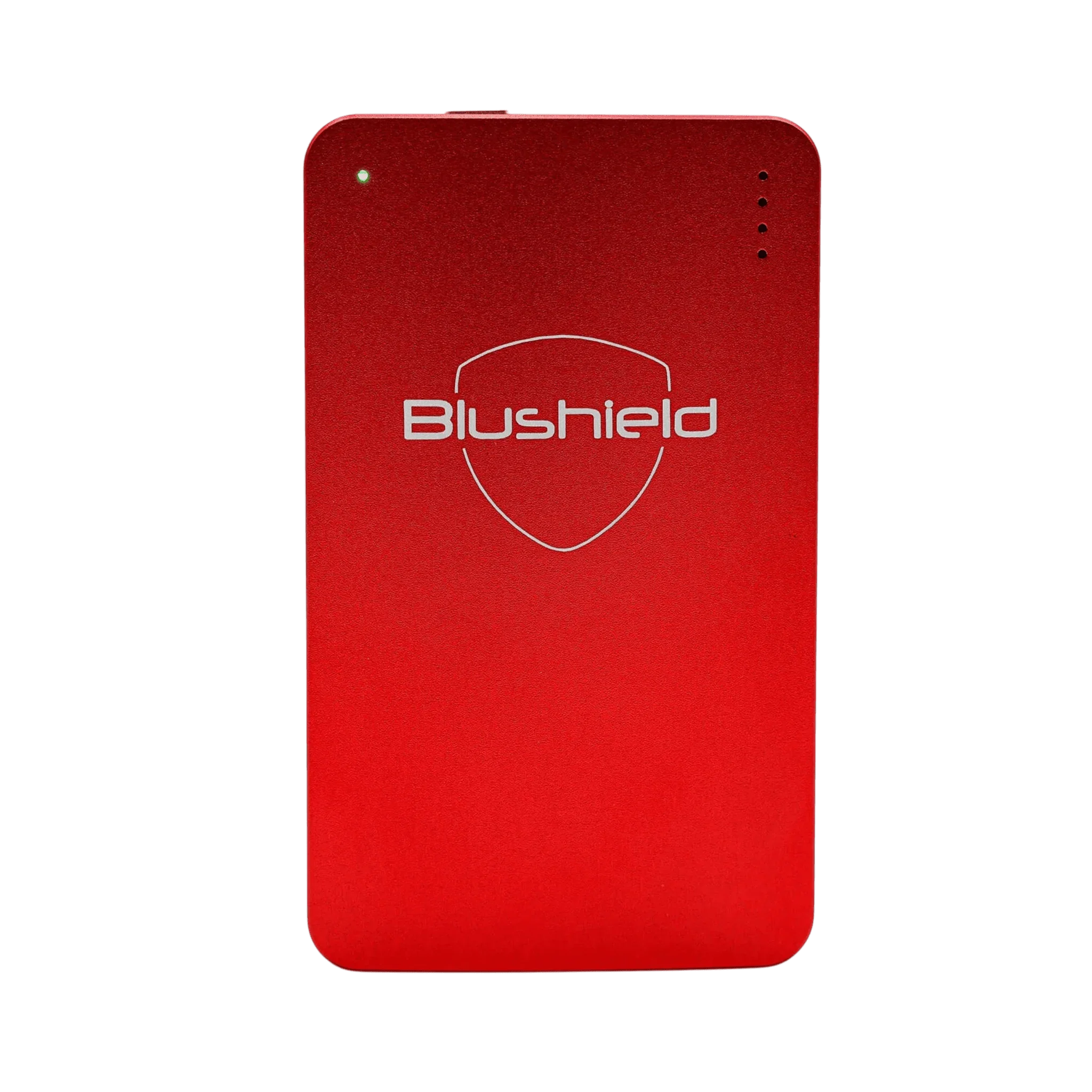
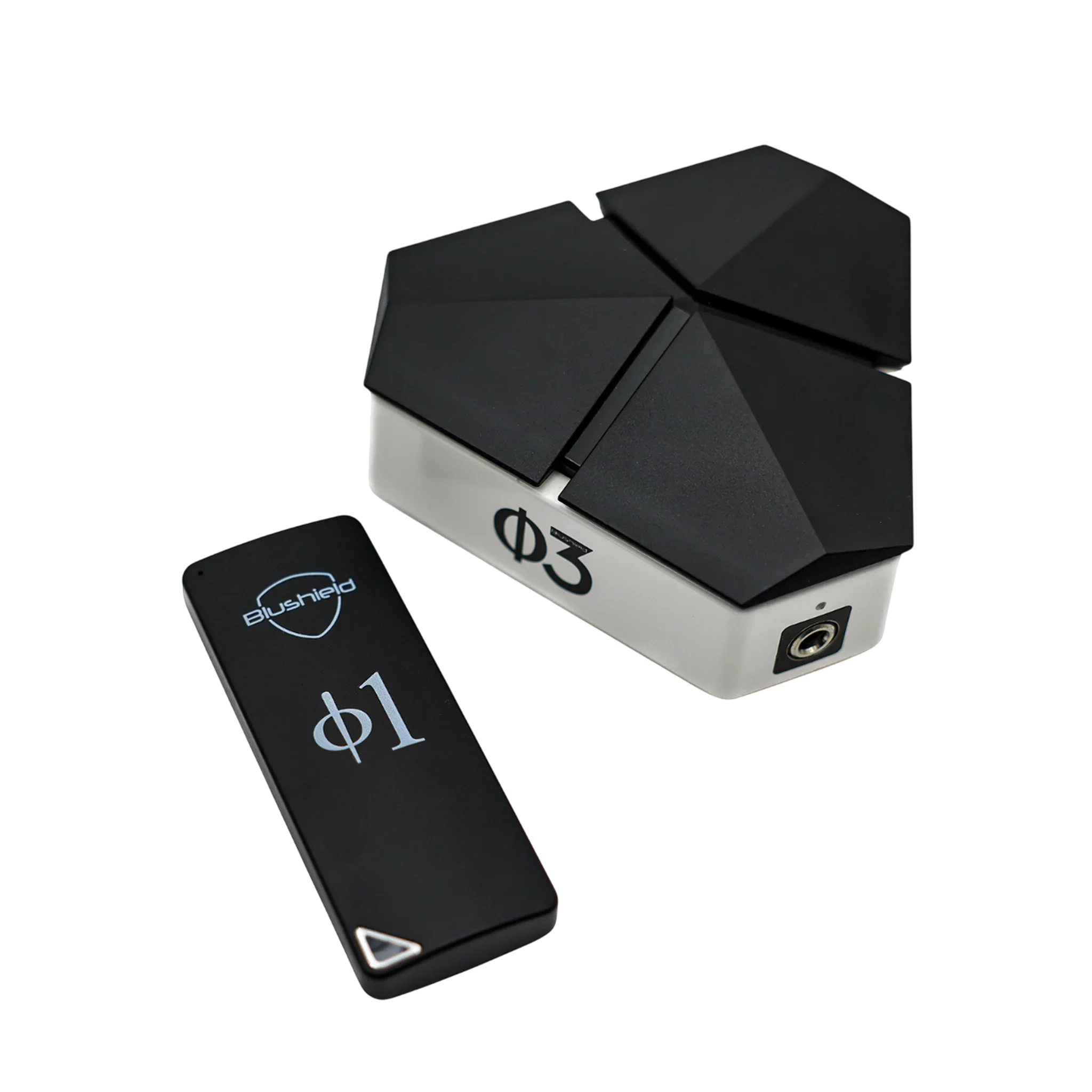
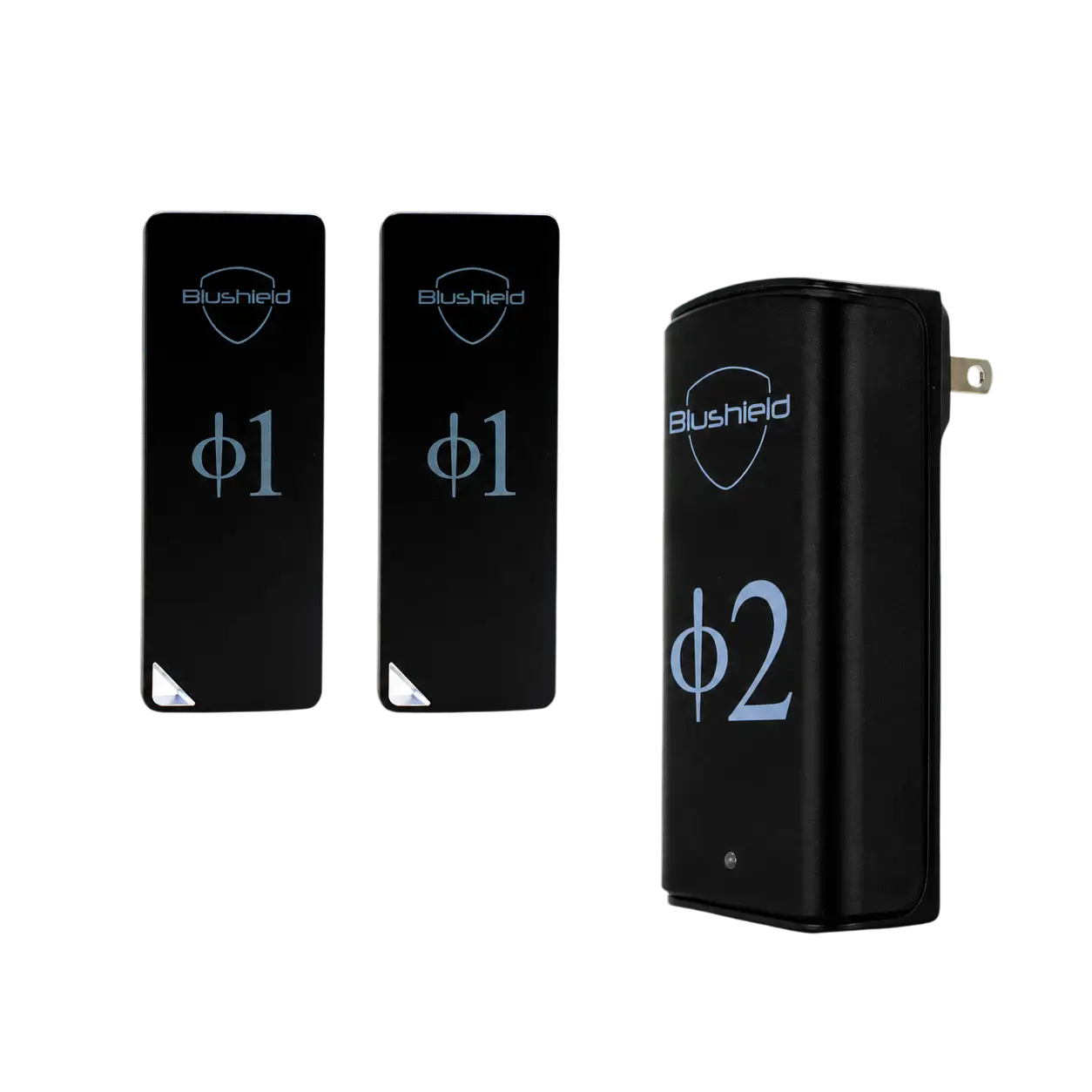
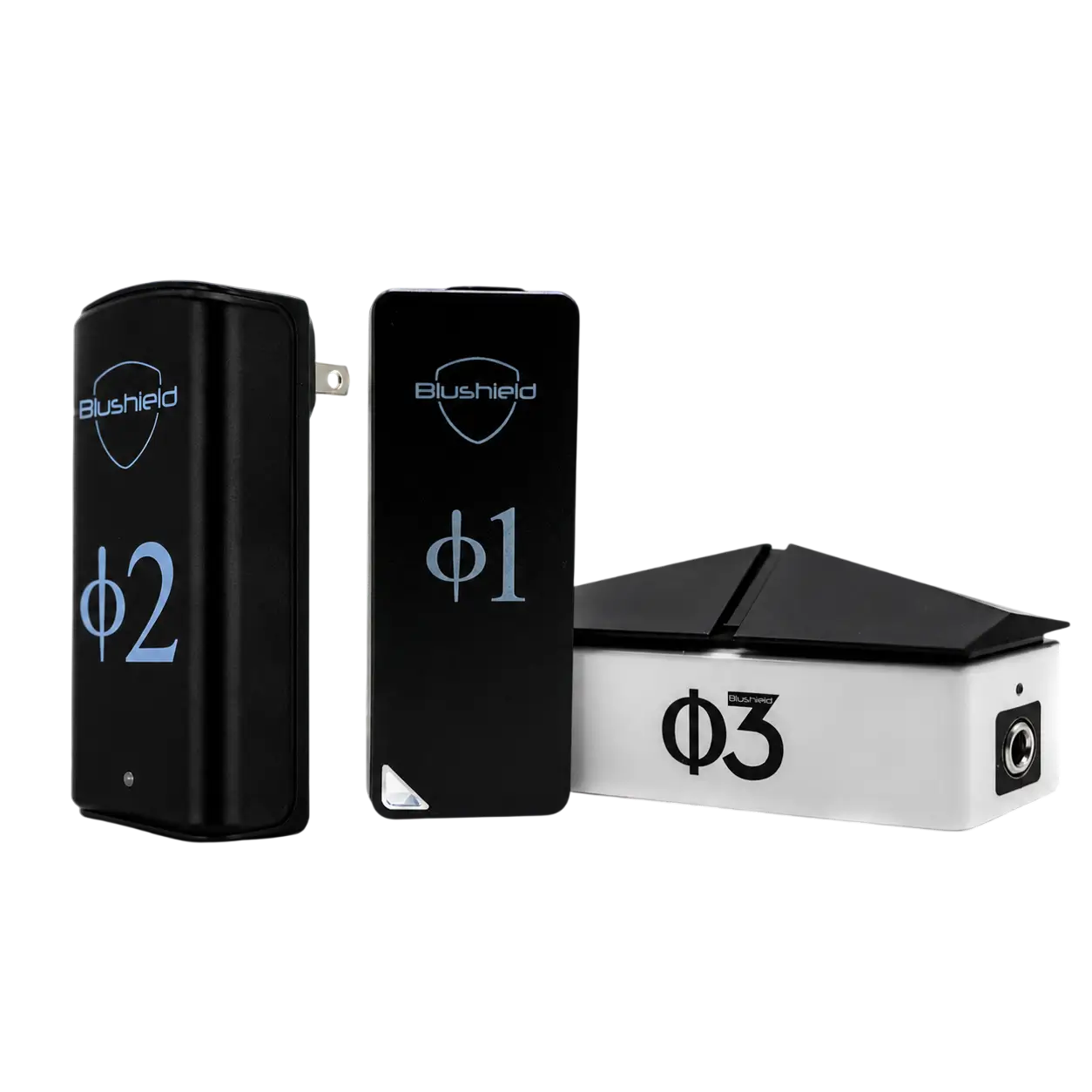
To protect your body from any remaining radiation exposure, since you can’t control a lot of the RF exposure sources around you, be sure to protect your home with a stationary Blushield device of the appropriate strength for your overall EMF exposure levels, and carry a Blushield portable device with you anytime you’re on the go.
Blushield devices were demonstrated in a 2023 clinical study to calm overactivation of the voltage-gated calcium channels back to normal levels – VGCC overactivation is widely thought to be the primary mechanism of harm from EMFs, as we touched on earlier. A variety of other statistically significant health improvements were recorded, as well, showing that even if the mechanism of harm from non-thermal EMFs is more complex and nuanced than we currently know, that our EMF protection technology is broadly beneficial in regulating physiology back to a healthier state.
References:
- Apple iPhone RF Exposure Information – https://regulatoryinfo.apple.com/rfexposure/iphone18,1/en
- Samsung Galaxy S21 Radiation Levels – https://www.rfsafe.com/phone/samsung-galaxy-s21/
- Blushield: “New Proof that Cell Phones Are Not Safe” – /blogs/new-proof-that-cell-phones-are-not-safe
- Blushield: “$30M National Toxicology Program Study Shows Cell Phone Radiation is Carcinogenic” – /blogs/30m-national-toxicology-program-study-shows-cell-phone-radiation-is-carcinogenic
- Bioinitiative Report (updated in 2022) – https://bioinitiative.org/table-of-contents/
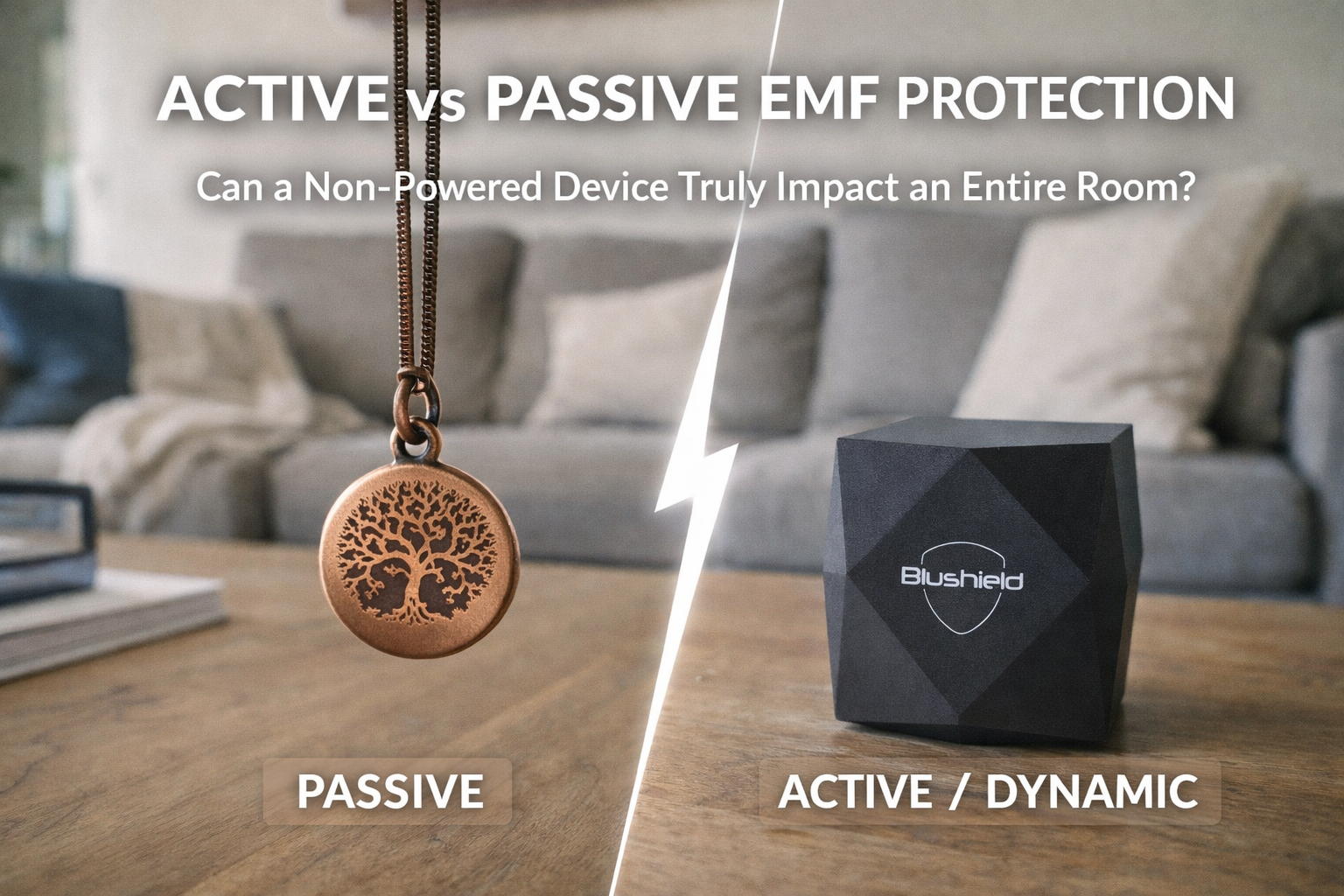
Why I ultimately chose active and dynamic field signalingMy name is Brandon Amalani and I have been running Blushield.com for nearly ten years.People regularly ask me about passive EMF protection devices and whether they are reliable or effective at protecting biology from man made electromagnetic exposure. That question comes up more now than ever, especially as passive devices have become extremely popular in recent years. I want to be very clear from the beginning that this article is not an attack on anyone or any company. It is an honest attempt to explain what I have learned about physics, biology, and signal behavior after a decade of working directly in this space.I originally got involved with Blushield after personally exploring many of the options available at the time. Most of what existed were passive EMF devices such as stickers, pendants, resonator chips, cards, and other non powered products. There were also shielding materials, grounding strategies, and constant single frequency generators. I tested all of these myself and spent a lot of time learning where each approach worked and where it clearly did not.That was about ten years ago. Since then I have worked closely with inventors and researchers in the electro therapy space and continued my education across multiple disciplines including cold plasma technology, photobiomodulation, PEMF system design, cellular biology, nutrition, and herbalism. Having this cross-disciplinary perspective has been critical in helping me understand how the human body functions as an electromagnetic system and how it interfaces with both natural and man made fields.Over the years I have noticed a shift in how passive EMF devices are discussed and marketed. Many educators and companies have moved away from older language like depolarizing EMF or harmonizing waves, and are beginning to use more nuanced terminology around coherence and biological signaling. That shift is a step in the right direction. However, based on what people share with me and what I continue to observe, there is still a great deal of confusion around the actual physics and biology involved.There are really three categories worth discussing. The first category is passive EMF devices. These devices have no power source. They claim to harvest ambient electromagnetic radiation and reorganize or modify those fields in a way that reduces biological stress. They often rely on geometry, fractal patterns, holograms, microchips embedded in pendants, or specific material combinations. The second category is active EMF signaling devices. These devices are powered systems that intentionally emit weak structured signals. They do not claim to overpower ambient EMF. Instead they claim to bias biological systems toward more coherent endogenous signaling and improved physiological resilience. The third category is what I would call active and dynamic signaling systems. Blushield falls into this category. It is active because it generates a field using an internal power source. It is dynamic because the signaling changes over time in a coherent way, more closely resembling the constantly shifting electromagnetic environment found in nature.To be clear, many of the concepts used to justify passive devices are not crazy or unscientific. Electromagnetic fields do have polarization. Geometry can influence how fields interact with materials. Fractal antennas exist in real engineering applications. Metals can couple to radiofrequency energy and act as grounds. Passive objects can scatter or redirect fields locally in the near field. All of that is true. This is why claims like an intentionally designed resonator can reorganize harmful EMFs and make them less biologically stressful sound persuasive on the surface.The issue is not the concepts themselves. The issue is scale, control, and guarantees.A passive resonator may produce higher local field intensity at specific frequencies by storing energy temporarily, much like a tuned antenna. However, this is concentration, not amplification in the engineering sense. Without an internal power source and maintained oscillation, a passive device cannot generate a dominant reference signal or enforce coherent structure across a room-scale environment.Without power, a device cannot control timing, phase, modulation, or coherence. It is entirely dependent on whatever ambient electromagnetic environment happens to be present at that moment, which is constantly changing. Geometry without power has no authority over signal behavior. Passive devices can respond to fields, but they cannot impose order on them.Over the years I have had many conversations with inventors working in active electromagnetic systems, including plasma based technologies. One important distinction that comes up repeatedly is that plasma can behave like a fractal antenna because it is an active medium with mobile charge carriers and energy input. That is fundamentally different from static geometry, etched holograms, or water/copper coil circuits which do not maintain oscillation, timing, or coherence on their own.Fractal antennas are real in engineering. However, they require specific parameters such as tuning to defined frequency ranges, feed points, impedance control, and known boundary conditions. A static hologram etched onto a pendant or card does not dynamically store electromagnetic information, adapt to changing environments, or enforce coherent signaling. It is a constraint, not a reference. Plasma systems can act like fractal antennas because they are active. They contain mobile charge carriers, dynamic oscillation, and energy input. That is a fundamentally different physical system than a static etched interference pattern. Calling both of these fractal antennas is a category error.One question that always stood out to me was how passive devices claim to cover large areas with no internal power source. Passive devices may slightly alter local coupling when worn on the body. That is plausible. What is not clear is how they could control room-scale fields or guarantee uniform effects across space. If a device truly created a dominant room-scale field, orientation, placement, and surrounding electromagnetic conditions would not matter. In reality, indoor EMF environments are dominated by near field sources such as laptops, phones, routers, and wiring. These signals reflect off walls and floors, creating standing waves and nulls. The result is a highly patchy and inconsistent field landscape. A small passive device only interacts with the local field where it is placed. It cannot average or reorganize an entire room. Its behavior will change depending on proximity to sources, wiring, and the body itself. That tells us the environment is in control, not the device.Passive devices have no internal timing reference, no phase authority, and no feedback mechanism. A passive microchip or circuit does not qualify as an internal reference because it does not actively maintain timing, state, or phase. Geometry and materials can constrain how a device responds to incoming signals, but they cannot enforce or stabilize a desired signal state. A reference requires actively maintained timing or coherence. Passive systems do not have that capability.Depolarization is another concept that has been widely misunderstood. Polarization refers to the orientation of the electric field. Coherence refers to phase stability and predictability over time. These are not the same thing. Modern radiofrequency environments are already spectrally complex, weakly polarized, and highly incoherent. Further depolarizing these fields simply adds randomness. It does not restore order. You cannot fix incoherence by adding more noise.In recent years many companies have used portable EEG devices to demonstrate before and after changes in brain activity. EEG can certainly reflect changes in mental state such as relaxation, attention, novelty, or expectation. It is extremely sensitive to posture, breathing, emotional framing, and context. What EEG cannot demonstrate is environmental EMF control, room-scale field effects, or mechanism of action. EEG does not measure cellular health, gene expression, calcium channel behavior, oxidative stress, or electromagnetic exposure levels. It tells you that a brain state changed, not why it changed. A device worn on the body could plausibly induce a local coupling effect. That does not mean the surrounding environment was altered. Small numerical changes can also appear dramatic depending on visualization choices and color scaling when creating before and after images.After evaluating many testing approaches, we chose to pursue the most rigorous path available to us. Rather than relying on internal or externally sourced white papers or theoretical models, we conducted an independent review board certified clinical trial in the United States. The results were published in a peer reviewed medical journal. We demonstrated significant changes in VGCC gene expression along with other physiological markers. This type of research is expensive and time consuming, but it aligns with the actual biological mechanisms being discussed.Biological systems are oscillatory, nonlinear, phase sensitive, timing dependent, and reference driven. This is why natural light cycles, geomagnetic fields, and environmental rhythms are so important to health. Biology does not simply respond to less stimulation. It responds to better organized information. The real question is not whether we can remove all EMF. It is whether we can provide a stable coherent reference that biology can lock onto.Active and dynamic signaling systems can do this. Passive systems cannot. Powered systems introduce a reference signal with internal timing and structure. That signal behaves consistently across environments. It improves signal to noise at the organism level. Passive systems have no phase authority, no internal timing, and no ability to resist environmental variability. They react to chaos, scatter chaos, and depend on chaos for their function. That is the opposite of what biology needs.Even mainstream EMF literature points to mechanisms such as VGCC activation, calcium influx, oxidative stress, and redox imbalance. An active coherent field can plausibly bias ion channel behavior, reduce stochastic noise, and support mitochondrial coupling. A passive scatterer cannot target these mechanisms or maintain biological reference states. Passive devices attempt to reorganize biology by harvesting incoherent ambient radiation. Active devices introduce order.We have been recommending Blushield for years as ones primary source of protection. Recently we introduced another technology that we found to pair perfectly with Blushield as the ultimate EMF protection stack.First, let’s look at the environment a bit closer.Modern EMF exposure isn’t just coming from wireless signals in the air. It also comes from the wiring inside our walls. Digital devices, switching power supplies, and LED drivers inject high-frequency transients and sharp voltage edges onto the 50/60 Hz electrical sine wave. That noise doesn’t just stay in the wires, it turns the wiring itself into a secondary source of electromagnetic variability.Blushield operates in the radiated domain by introducing a low-power, internally timed reference signal that remains stable even as the surrounding RF environment changes. It does not attempt to overpower external sources. Instead, it provides a consistent signal structure that biology can bias toward.SineTamer works at the electrical layer by reducing high-frequency transients and rapid voltage fluctuations on the building’s wiring. By lowering broadband electrical noise, it reduces the background variability that wiring can radiate into living spaces.Together, these two approaches address different layers of the same problem: one introduces structured reference signaling, the other reduces injected electrical noise. The result is not “shielding,” but a shift in signal organization and environmental stability.I genuinely want passive devices to be highly effective. I also want Nikola Tesla’s dream of a small portable device that produces clean energy from ambient energy to be real. But wanting something to be true does not make it physically possible yet. After ten years of experimentation, education, and direct testing, active and dynamic field signaling remains the most plausible approach I have seen for supporting biological resilience in modern electromagnetic environments.

Product updates
Practical tips for low-EMF living
New releases
Exclusive promotions
Frequently asked questions
Invisible forces are part of modern life, but their impact doesn’t have to define you. Blushield works quietly in the background, supporting a more stable, balanced internal state so you can focus, rest, and perform at your best.
It doesn't block or shield EMF. Instead, Blushield is designed to support the body's natural response to everyday electromagnetic exposure. By focusing on biological support rather than altering environmental signals, it takes a different approach to EMF protection.
Plug-in units (Premium, Ultimate, Phi) cover your home. Portables cover you when you leave it. Most people start with one of each: a plug-in for the house and a portable for travel, work, and the car. If you're not sure, use our Find Your Device tool or message us.
30-day limited money-back guarantee on every device (restocking fee applies - see our full return policy). Stationary and portable units carry a 1-year warranty. If anything extends past that, contact us.
Yes. EMF meters measure intensity, not biological impact. Even low-level exposure from Wi-Fi, Bluetooth, smart meters, cell towers, and nearby homes accumulates 24/7. Blushield works on the body's response, so it helps regardless of what a meter reads.
Some people feel calmer or sleep better within the first night. For others it's a few weeks of gradual change - better focus, deeper sleep, and less fatigue. A small number notice a short adjustment period as the body recalibrates. Everyone responds differently, so give it time to become part of your daily environment and let the benefits build naturally.
Yes. Blushield is built on decades of research into how the body responds to coherent vs. incoherent electromagnetic signals. We have independent studies, HRV data, and live-blood analyses on our Science page. We don't make medical claims. We point you to the data and let you decide.