




















.png)


























.png)


.jpg)
.svg)
-cropped%20(1).svg)
.svg)
Blushield Clinical Pilot Study: The Results Are In

In a 12-week, independent review board (IRB) certified, PubMed-indexed clinical pilot study of 25 relatively healthy adults, Blushield devices were found to be feasible, safe, and associated with statistically significant improvements in cognitive function, deep sleep, heart rate variability, blood glucose, immune markers, voltage-gated ion channel gene expression, and overall self-reported health. No adverse events were reported, and 100% of participants complied with device usage. Here's the full story of how the study came together and what it found.
How the Study Began
Back in September of 2020, we were contacted by Tom Blue, the owner of a research company and Executive Director of the American Academy of Private Physicians. Tom is connected with a large network of doctors. He had recently discovered Blushield EMF protection devices and noticed significant positive results from using them on himself, his wife, and their son. All three regularly track various health markers using the Oura Ring device, and the improvements they saw in sleep quality and heart rate variability were impressive enough to inspire Tom to reach out to us.
Tom proposed studying the health effects of our devices on humans, on a larger scale than we had attempted previously. Tom and his partners, Helen Messier, MD, PhD, and DeAunne Denmark, MD, PhD, had great ideas about the structure and focus of the study, a variety of health markers to track, and how to recruit participants within their network of doctors. They also had connections with independent labs that could perform the study for us.
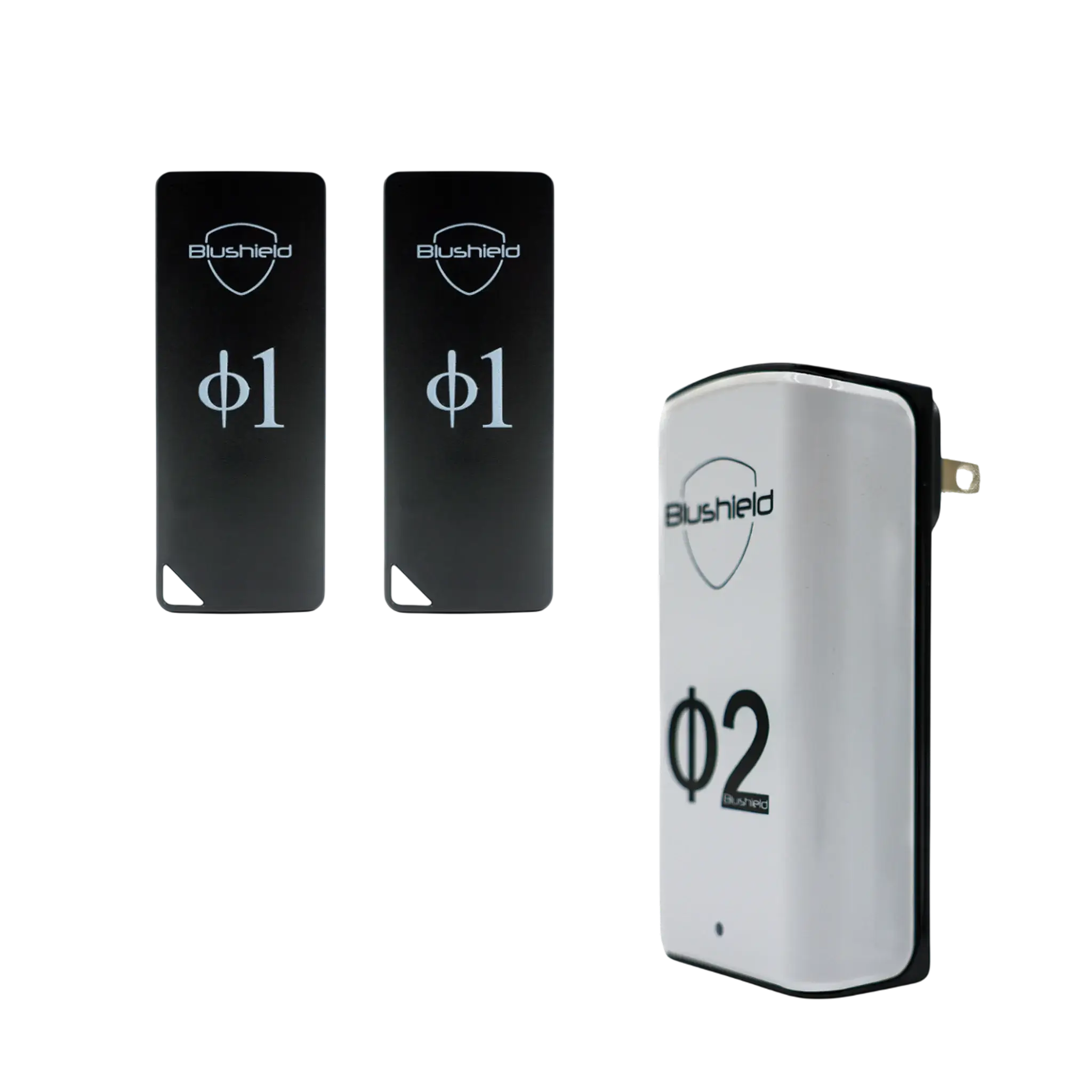
Many months were spent ironing out seemingly infinite details, signing contracts, recruiting participants, and navigating the biggest worldwide slowdown of many of our lifetimes - the Covid lockdowns - which kept pushing back our ideal timeline. Finally, in March of 2022, test kits were made and sent to all participants, along with a Premium Ultra home device for each participant, plus a Plugin and/or Premium Portable for those who worked away from home or traveled often, to ensure they were within the Blushield field as often as possible during the 12-week study.
Study Design and Participants
The focus of this pilot study was to assess the feasibility and preliminary signs of efficacy of our devices on a small sample group within a fairly short time frame, to determine whether a full-scale research project would be worth planning in the future.
All 25 participants worked in the health and wellness industry, including general practitioners and physical therapists, and all self-reported being in relatively good health at the start. This was a single-arm study - in this case, a "before and after" study - in which all participants were tested before using Blushield, then again during and after 12 weeks within the influence of the Blushield device.
100% of participants reported compliance with device usage for the study duration, meaning they remained within the Blushield field. This increases both the validity of the results and the feasibility (ease and practicality) of using the devices, even for the busy professionals in our sample. No adverse events were reported during the 12 weeks.
A variety of health markers were tested using several methods, including:
- Laboratory panels assessing overall physiological health
- A panel of blood markers related to inflammation, oxidative stress, DNA damage, and cellular senescence
- A genome-wide assessment of DNA methylation (including the voltage-gated calcium channel sites)
- A full neurocognitive assessment every 4 weeks of the study
- A wearable health tracker (the Oura Ring) to analyze changes in sleep quality, heart rate variability, and related markers
- Self-reported health questionnaires
Analyzing and Interpreting the Results
Our study paper was written by Christopher D'Adamo, PhD, an epidemiologist who has served as Principal Investigator on a wide variety of observational and interventional studies of nutrition and other healthy lifestyle modalities. His findings have been published in several well-known peer-reviewed scientific and medical journals and publicized through several popular media outlets.
The study co-authors include the researchers involved in compiling and interpreting the data: researchers from TruDiagnostic (the epigenetic data analysis company that provided the genome-wide DNA methylation assessment); doctors Helen Messier and DeAunne Denmark, who organized the study; and Tom Blue, who got the ball rolling initially.
In the study paper, it is stated: "Preliminary data from in vitro and agricultural animal studies suggest changes in biomarkers of health and functional status may be detectable after a period of continuous BluShield device usage."
This refers to our prior Blushield studies from several years ago - the grassroots-style testing where we initially found impressive positive results in animals and humans, including live blood cell analysis, human urine analysis, and health improvements in chickens and cows.
We knew it was time for a more thorough study on a greater number of human health markers, using a newer, more powerful Blushield device - and we're thrilled the study is now complete. So, what improvements were found in this IRB-certified pilot study?
Cognitive Function Improvements
The CNS Vital Signs test is a full neurocognitive assessment that each participant completed once before introducing the Blushield device, then again every 4 weeks of the 12-week study, for a total of 4 times. The test records performance across areas of cognitive function, including memory, executive function, and processing speed.
Statistically significant positive results were found in composite memory, cognitive flexibility, executive function, and processing speed. There were several areas where no changes were noted (visual memory and simple and complex attention), but the areas of positive change are quite notable.
Electromagnetic field exposure has been definitively linked to impairments in cognitive function, with the mechanism of harm theorized as overactivation of the voltage-gated calcium channels, as described in our previous article: Memory, Learning & Attention Impairment From EMF Exposure.

Voltage-Gated Calcium Channel Improvements
Could our positive cognitive results be linked to the voltage-gated calcium channels (VGCCs)? The study paper states this is a valid hypothesis that warrants further exploration. The reason a link is suspected: in the genome-wide DNA methylation assessment, researchers identified a key VGCC gene (CACNA1G) that was hypermethylated, indicating a likely under-expression of that gene - essentially a quieting of the voltage-gated calcium channels that are chronically overactive and overstimulated in the constant presence of modern EMF levels. Hypermethylation is most often associated with downregulation of a gene's expression, placing it in a "locked" state, whereas hypomethylation usually refers to active expression and transcription.
204 total CpG sites were found to be differentially methylated between the before and after measurements, and 94% of those genes were hypermethylated. A considerable number of these sites were connected with the ATP-sensitive potassium channels, which are known to be influenced by EMFs. Besides the one key VGCC gene that was hypermethylated at a level of statistical significance, 4 other VGCC-related genes were very near the threshold of significance.
CpG is short for Cytosine-phosphate-Guanine, the most common methylation pathway in DNA. DNA methylation is an incredibly important epigenetic health marker. Epigenetics is the study of genes activating or silencing (commonly through methylation) in response to changing environmental factors, and it can explain why family members - even identical twins - with nearly or exactly the same genome can experience widely different health outcomes. It calls upon the "nature versus nurture" question, where "nature" is the static state of the genome you were born with, and "nurture" refers to the outside influences you encounter throughout life that actually switch genes on and off, dynamically altering the trajectory of your health.
Another fascinating purpose of DNA methylation is to silence intragenomic parasites. It's hard to believe, but at least 35% of our genome is made up of parasite DNA. These parasites are called transposons, and include endogenous retroviruses that have inserted themselves into human DNA over a very long period, long before our lifetimes. When functioning optimally, DNA methylation should keep this parasitic DNA quiet and dormant for our entire lives. When environmental influences such as toxic heavy metals and electromagnetic fields disrupt our bodies' ability to methylate properly, dormant retroviruses can become active, often wreaking havoc throughout the body.
Meaningful Improvements in Sleep Quality and Heart Rate Variability
All participants wore an Oura Ring throughout the entire study, from the pre-Blushield "before" period through the 12 weeks of use. This wearable continuously records a variety of relevant health markers, making it easy to track the effects of lifestyle changes in real time.
The device tracks the full sleep cycle and provides detailed data on minutes of deep sleep, REM sleep, light sleep, and awake time. It also records heart rate variability (HRV) on an ongoing basis - a key marker of vitality, resilience, and adaptability. "Variability" refers to the heart's ability to respond immediately to environmental demands by speeding up or slowing down as needed; the body's ease in changing heart speed instantaneously is strongly linked to overall health and vitality. You can learn more in our article: Heart Rate Variability (HRV) as an Advanced Biomarker is Affected by EMFs.
Our participants saw impressive improvements in heart rate variability, average and lowest resting heart rate, body temperature, and deep sleep - all reaching statistical significance. Average deep sleep time increased by 9 minutes, from 90 minutes before to 99 minutes after. There was also an increase in average awake time (by 5 minutes), which in some cases wouldn't be desirable - but it's a logical assumption that if you're getting 9 extra minutes of deep sleep (the most restorative type) per night, you may not need quite as much sleep overall.
Reduction in Blood Glucose
EMF exposure has been shown to be linked to elevated blood glucose, and in some cases even prediabetes and diabetes. This is thought to be related to the voltage-gated calcium channels, as our previous article elaborates: Blood Glucose & Insulin Negatively Affected By EMFs.
All participants had glucose levels within a healthy range at the start, and we still found a statistically significant reduction in blood glucose during the study. The results may have been even more dramatic if diabetics and prediabetics had been included - a topic of particular interest for a potential future study.
Glucose and insulin are also strongly affected by the ATP-sensitive potassium channels, so it's possible the positive effects on blood glucose are linked to the hypermethylated ATP-sensitive potassium channel complex our study recorded, as well as the VGCCs.
Changes in Immune Markers & Self-Reported Health Improvements
The study also found an increase in monocytes and a decrease in natural killer (NK) cells, both within a healthy range. Monocytes remain in their basic form in the bloodstream and organs when there are no active threats, but as soon as a threat is perceived, they differentiate into either macrophages or dendritic cells. NK cells, however, remain in their original form while fighting infection. When monocytes differentiate into dendritic cells, this alerts other cells (including NK cells) to the presence of an imminent threat.
There is a hypothesis that electromagnetic field exposure triggers the immune system, as our bodies perceive the foreign frequency patterns as invaders to attack and defeat. Since there is nothing physically present to attack and destroy, this can result in a chronically elevated immune response, which eventually depletes the immune system's power and steals vital resources from other essential processes. Our long-held theory, based on previous studies, is that being within the influence of a Blushield gives the body a healthy field to preferentially resonate with, calming and subduing the futile immune response against the perceived invasion of harmful fields.
An increase in circulating monocytes could indicate they are now "ready and waiting" in their natural form, rather than actively fighting infection by differentiating into other forms. A decrease in NK cells could signify the immune system calming down from a previously chronically overactive state, as the monocytes are not actively signaling a threat that would tell the NK cells to get to work. More targeted and larger-scale studies will be needed to confirm this hypothesis.
Each participant also completed a self-reported health questionnaire at various times throughout the study, and there was a statistically significant improvement in participants' subjective experience of overall health and well-being.
Understanding P-Values and Confounding Factors
To fully understand the study paper, it helps to understand p-values, the calculations used in clinical studies to determine whether a result is statistically significant or more likely random and insignificant.
P-value stands for probability value and is directly connected to a concept called the "null hypothesis." This refers to the potential - present in every scientific study - that the intervention being studied (the device, drug, or other influence) is having no positive or negative effect, and therefore the results are due to random chance. To achieve statistically significant positive results, you want the p-value as low as possible. The lower the value, the less likely the results are due to chance; if it's low enough, it's almost certain the intervention is truly affecting the subject. Even when the value is extremely low, there's always a tiny possibility it's due to chance, which is why the number can never reach zero.
Depending on the parameter being studied, the significance threshold is set at a certain number. P<0.05 is a common one, which most of our study parameters used. 0.05 means 5%, so P<0.05 means "the probability that this result is due to random chance is less than 5%." Any result below that threshold is considered statistically significant.
So a study result with a p-value of p=0.01 means there's only a 1% chance the result was random and a 99% chance the intervention (in our case, the Blushield device) directly affected the result - as we saw with resting heart rate. Some of our other results had even lower p-values, like p=0.0007 (our cognitive flexibility result), meaning only a tiny fraction of a percent chance of being random.
Later in the paper, there is a discussion of confounding factors - uncontrollable factors in the study design that may have influenced results, which are essential to consider in any study lacking a control group. Some confounding factors are external influences from daily life; in this case, they may include changes in physical activity or diet due to changes in season. Another factor is a lack of diversity in the health status, education level, and race of the subjects. All subjects self-reported as relatively healthy; if more chronic-illness sufferers had been studied, there may have been even more room for improvement from baseline.
Accuracy Score of Our Methylation Results Was Very Close to Perfect
Observing changes at the DNA level is a very complex process, as you can imagine. Those performing the measurements must have specific, extensive training, and they must create a model that factors in all the variables (age, sex, immune markers, and an infinite number of other potential variables) so the result is as accurate as possible. The theoretical goal is a model that shows pure cause and effect, where variables applicable to this particular study group (called covariates) are factored in as a "perfect fit." Pure cause and effect, in our case, would be results measuring exactly how Blushield use affected methylation of the CpG sites, with the model already adjusted to erase the impact of covariates.
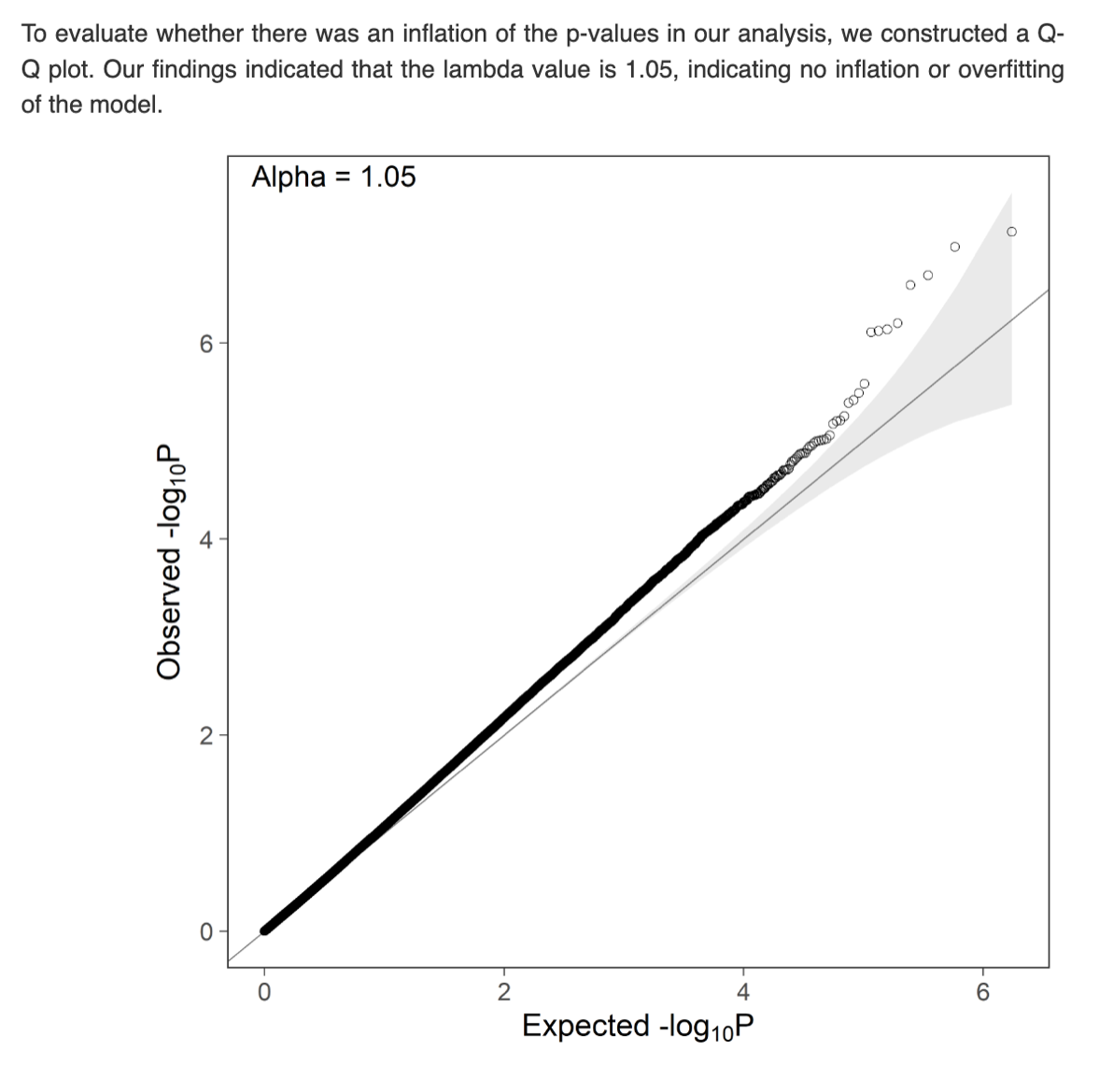
There are ways to assess the accuracy of the model, although a perfect fit is impossible. The perfect score is a "1" - anything less than 1 means there are too many covariates and the results aren't as significant as they would be in a pure model; a number higher than 1 means there aren't enough covariates and the results are more significant than they should be. Our study's model was mapped on a Q-Q plot, which gave a score of 1.05. This score is almost perfect, and we were told it isn't easy to achieve. This means the methylation results we saw on the CpG sites, including the voltage-gated calcium channel genes, were almost as pure and accurate as they possibly could have been.
Final Thoughts
This study was a long time in the making, involving extraordinary levels of hard work and patience. Almost daily here at Blushield, we hear reports directly from customers - and in the reviews they post voluntarily on our website - that these devices have affected their lives in positive ways, with some calling them life-changing. Honest customer reports help inform new potential customers of what others have experienced, clarifying their decision to invest in our EMF protection devices.
Now, with our first IRB-certified clinical study results under our belt, customers can be even more fully informed of the potential benefits this technology may have on their lives. Although it was a fairly small-scale pilot study, in some ways it is genuinely groundbreaking: we are the first EMF protection company we're aware of to test the effects of our devices on the voltage-gated calcium channel genes and find notable improvements. This is something we will certainly test more extensively in future, larger-scale studies.
The study paper concludes that Blushield devices appear to be feasible, safe, and associated with improvements in cognitive function, sleep, heart rate variability, voltage-gated ion channel gene normalization, blood glucose, immune response, and overall self-reported health among relatively healthy adults. It also emphasizes that the devices "appear to be a reasonable component of a comprehensive EMF mitigation strategy to minimize RF exposure" - which is always how we encourage people to use our devices.
You're welcome to share this with anyone in your life who is concerned about the harmful effects of EMFs and is looking for sound, research-backed solutions.
Read our PubMed-indexed study, with the full study abstract →
Read our full study in the medical journal IMCJ →
References
- "Cytosine methylation and the ecology of intragenomic parasites" – https://www.cell.com/trends/genetics/pdf/S0168-9525(97)01181-5.pdf
- "P-Value And Statistical Significance: What It Is & Why It Matters" – https://www.simplypsychology.org/p-value.html
- "Epigenetics: The Science of Change" – https://www.ncbi.nlm.nih.gov/pmc/articles/PMC1392256/
- "ATP-sensitive potassium channelopathies: focus on insulin secretion" – https://www.ncbi.nlm.nih.gov/pmc/articles/PMC1392256/
The 12-week, IRB-certified, PubMed-indexed pilot study of 25 relatively healthy adults found Blushield devices to be feasible, safe, and associated with statistically significant improvements in cognitive function, deep sleep, heart rate variability, blood glucose, immune markers, voltage-gated ion channel gene expression, and self-reported overall health. No adverse events were reported.
25 participants, all working in the health and wellness industry, took part in a single-arm "before and after" study lasting 12 weeks. 100% reported compliance with device usage.
The DNA methylation assessment found a key VGCC gene (CACNA1G) was hypermethylated, indicating likely under-expression - a quieting of the calcium channels that are chronically overactive under modern EMF exposure. Of 204 differentially methylated CpG sites, 94% were hypermethylated. Blushield is the first EMF protection company known to test for and find improvements in VGCC gene expression.
Participants saw statistically significant improvements in heart rate variability, average and lowest resting heart rate, and body temperature. Average deep sleep increased by 9 minutes (from 90 to 99 minutes per night), with a 5-minute increase in average awake time.
Yes. The study is PubMed-indexed and was published in the Integrative Medicine: A Clinician's Journal (IMCJ). It was written by epidemiologist Christopher D'Adamo, PhD, with co-authors including researchers from TruDiagnostic and the doctors who organized the study.
No. The study paper states the devices "appear to be a reasonable component of a comprehensive EMF mitigation strategy to minimize RF exposure," which is how Blushield encourages people to use them.
This post copyright ©2020–2026 Blushield USA. All rights reserved.
Unauthorized use and/or duplication of this material without express and written permission is strictly prohibited.
.png)
Product updates
Practical tips for low-EMF living
New releases
Exclusive promotions
Frequently asked questions
Invisible forces are part of modern life, but their impact doesn’t have to define you. Blushield works quietly in the background, supporting a more stable, balanced internal state so you can focus, rest, and perform at your best.
It doesn't block or shield EMF. Instead, Blushield is designed to support the body's natural response to everyday electromagnetic exposure. By focusing on biological support rather than altering environmental signals, it takes a different approach to EMF protection.
Plug-in units (Premium, Ultimate, Phi) cover your home. Portables cover you when you leave it. Most people start with one of each: a plug-in for the house and a portable for travel, work, and the car. If you're not sure, use our Find Your Device tool or message us.
30-day limited money-back guarantee on every device (restocking fee applies - see our full return policy). Stationary and portable units carry a 1-year warranty. If anything extends past that, contact us.
Yes. EMF meters measure intensity, not biological impact. Even low-level exposure from Wi-Fi, Bluetooth, smart meters, cell towers, and nearby homes accumulates 24/7. Blushield works on the body's response, so it helps regardless of what a meter reads.
Some people feel calmer or sleep better within the first night. For others it's a few weeks of gradual change - better focus, deeper sleep, and less fatigue. A small number notice a short adjustment period as the body recalibrates. Everyone responds differently, so give it time to become part of your daily environment and let the benefits build naturally.
Yes. Blushield is built on decades of research into how the body responds to coherent vs. incoherent electromagnetic signals. We have independent studies, HRV data, and live-blood analyses on our Science page. We don't make medical claims. We point you to the data and let you decide.